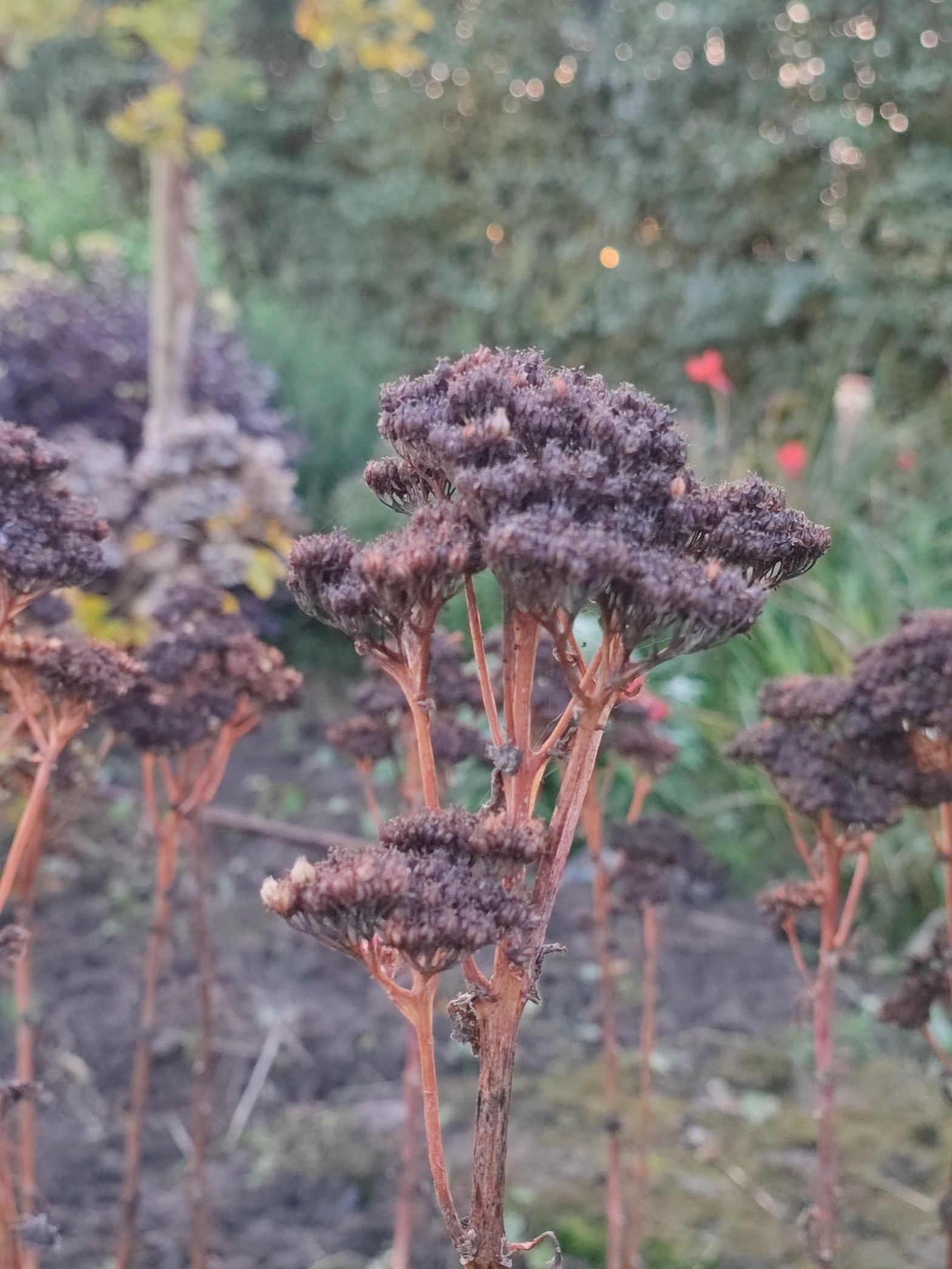

When I was studying horticulture way back in the twilight years of the last century, the autumn cut back was the the start of putting the garden to bed for the winter. A habit that had been carried out by gardeners since the Victorian era. These days such practices are still carried out, however, the approach is changing, becoming more nuanced, and gardeners are leaving more plants uncut until the onset of spring.
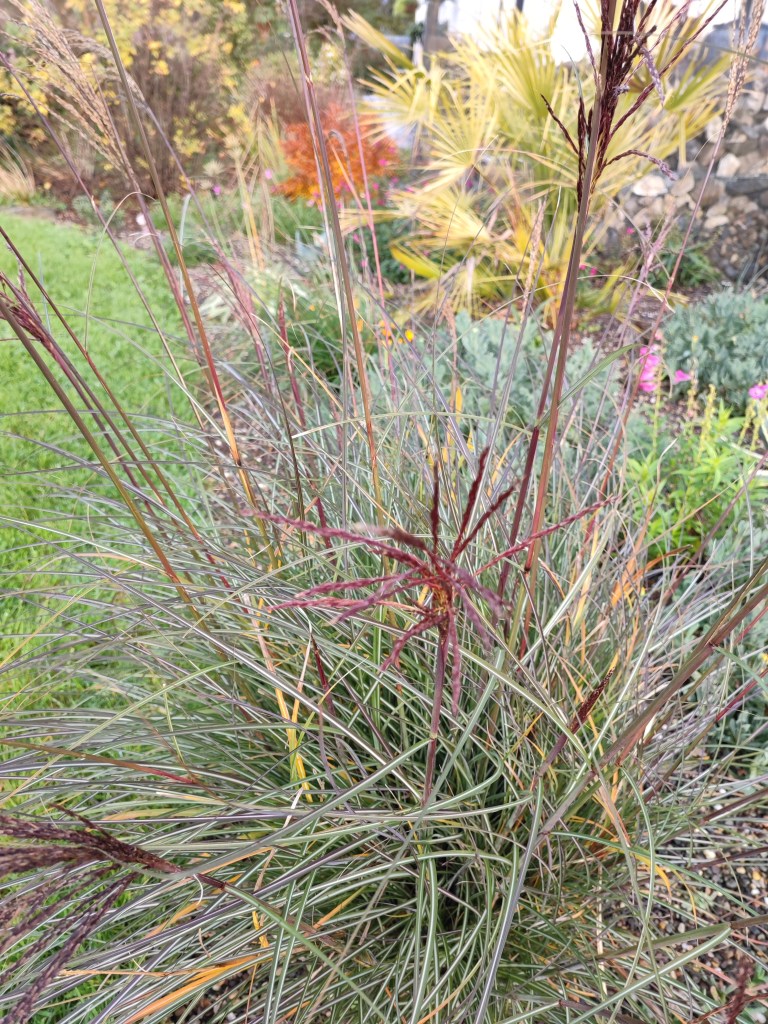
The reasons are not laziness, but rather a growing appreciation of the attractiveness of seedheads and brown leaves of plants that possess a pleasing form, Thalictrum and Miscanthus grasses are two examples.
Another important reason to leave seedheads is that the seeds themselves can be a valuable source of food for birds, Gardner’s have a growing awareness that we share out garden spaces with species other than our own.

Below are a few key points of guidance to help you chose what to cut, and what not to cut.
Time it right: It’s important to time your pruning carefully. Wait until the plants have finished flowering and the foliage has started to die back naturally. This ensures that wildlife has had ample time to benefit from the plants’ blooms and that the stems provide winter interest.
Leave some seed heads: Many herbaceous perennials produce seed heads that provide food for birds and small mammals during winter. Consider leaving some seed heads intact, especially those with appealing shapes and textures. They can add visual interest to your garden and provide a food source for wildlife.
Cut back selectively: Instead of cutting back all plants uniformly, selectively prune some perennials while leaving others untouched. This way, you can create a varied and visually appealing winter landscape while still providing habitat and food for wildlife.
Create wildlife shelters: As you cut back certain plants, leave them in place to create natural shelters for insects, spiders, and other small creatures. Hollow stems and decaying foliage can provide valuable nesting sites, protective cover, and overwintering spots for various wildlife.
Mulch and nourish the soil: After pruning, don’t forget to mulch around the plants and provide them with a layer of organic matter. This will help protect the roots during winter, retain moisture, and nourish the soil, ensuring your perennials emerge healthier in the spring.
Remember, when it comes to pruning, it’s important to strike a balance between tidiness and creating a welcoming environment for wildlife. By following these tips, you can curate an appealing garden while fostering biodiversity.

 Ciaran The Gardener