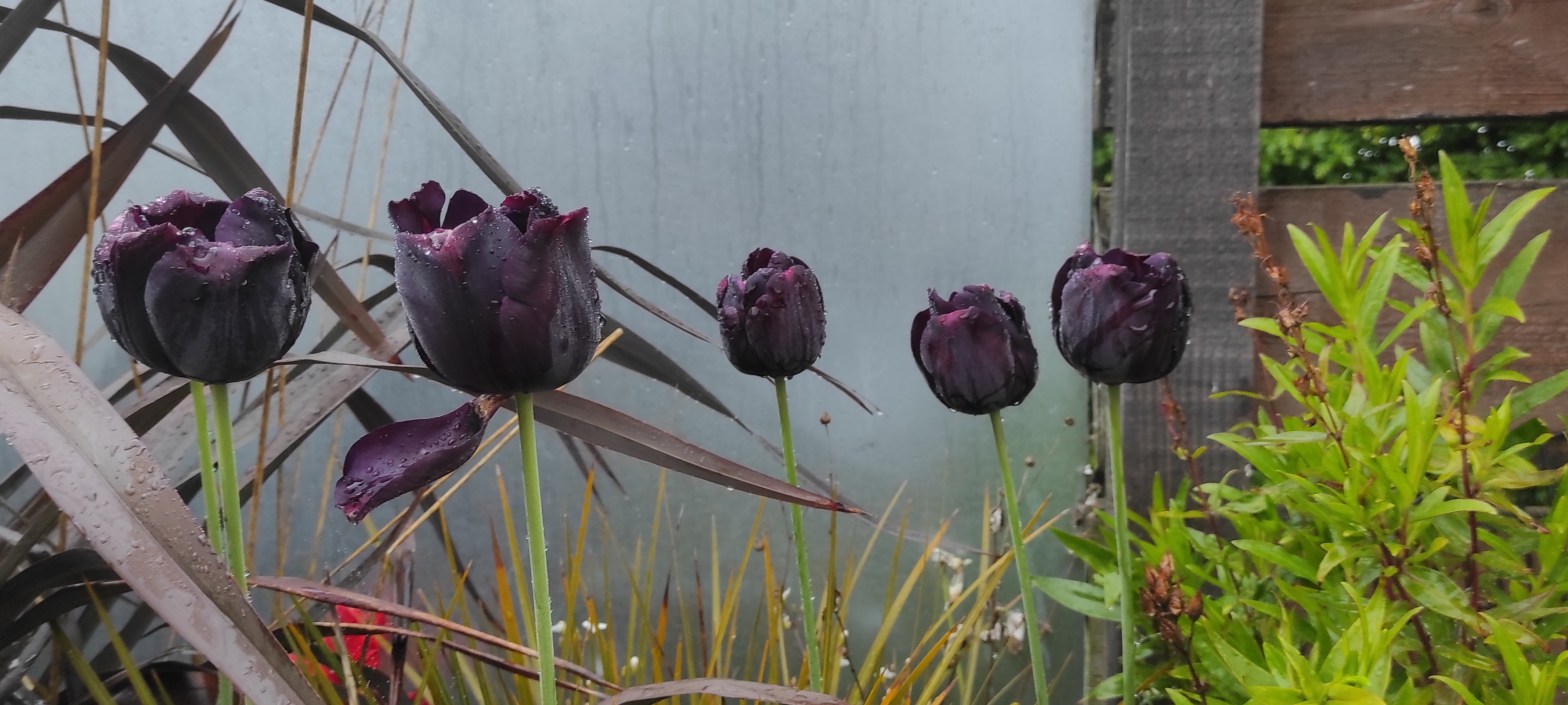
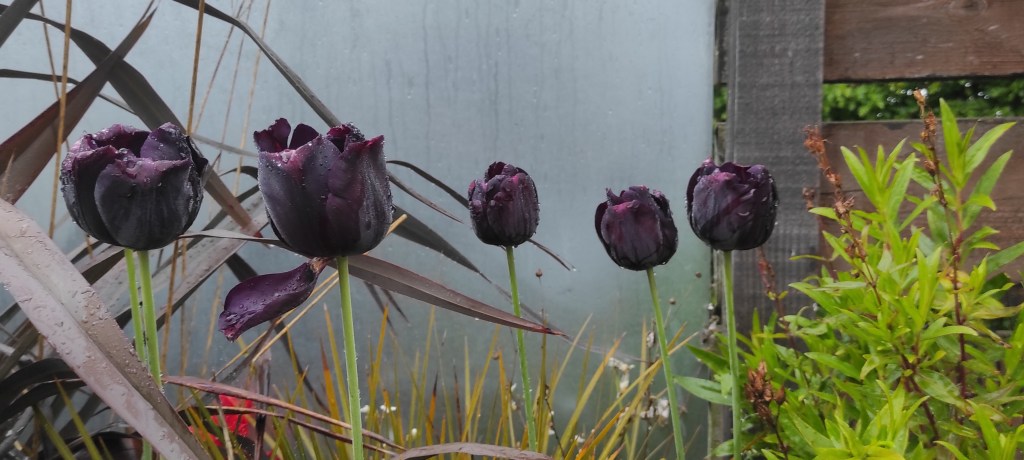
There is still time to plant flower bulbs for Spring and early summer colour.
Late autumn is the perfect time to start thinking ahead and plan for a vibrant and colorful garden in the upcoming spring and early summer seasons. Planting bulbs during this time ensures that you’ll be greeted with stunning blooms once the warmer weather arrives.
Timing
Late autumn is the ideal time to plant bulbs, between October and November. This ensures that the bulbs have enough time to establish their root systems before the ground freezes.
Preparing the Soil
Prepare your soil by removing any weeds, rocks, or debris from the designated planting area. Loosen the soil to a depth of approximately 20 cm (8 inches) to allow for proper drainage and root development. Adding compost will improve its fertility and enable better bulb growth.
For some bulbs such as Fritillaria, addition of horticulture grit or sand to improve drainage can help establishment, but for most bulbs it is not necessary, as long as their is reasonable drainage.

Planting Depth
Different bulbs require varying planting depths. As a general guideline, most bulbs should be planted at a depth that is two to three times their own height. Here are some common bulb planting depths in both metric and imperial measurements:
– Daffodils and Tulips: Plant at a depth of 10-15 cm (4-6 inches).
– Hyacinths and Crocuses: Plant at a depth of 7-10 cm (3-4 inches).
– Snowdrops: Plant at a depth of 5-8 cm (2-3 inches.
Positioning
When planting bulbs, consider their sunlight requirements. Most bulbs thrive in full sun to partial shade. Ensure that the planting area receives at least 6 hours of sunlight each day to maximize the plant’s growth and flowering potential.
Some bulbs such as Bluebells will be happy in dappled shade.
Spacing
Provide enough space between bulbs to allow their foliage to grow and avoid overcrowding. As a general rule, leave a gap of two to three times the bulb’s width between each planting hole.
Watering and Mulching
After planting the bulbs, there is usually no need to water. Most bulbs will push their way through bulky organic mulches that are subsequently applied to soil surfaces.

Spring and Summer Bloom
As temperatures begin to rise in spring, you’ll be rewarded with vibrant blooms. There is usually little need for irrigation, except for bulbs on pots. Addition of fertilizer high in potassium after flowering can help bulk up the bulbs and improve flowering for the following year.
Most bulbs can be left on the soil over summer and will increase in numbers over the following years, Tulips are often the exception and are often treated as annual plants by gardeners.
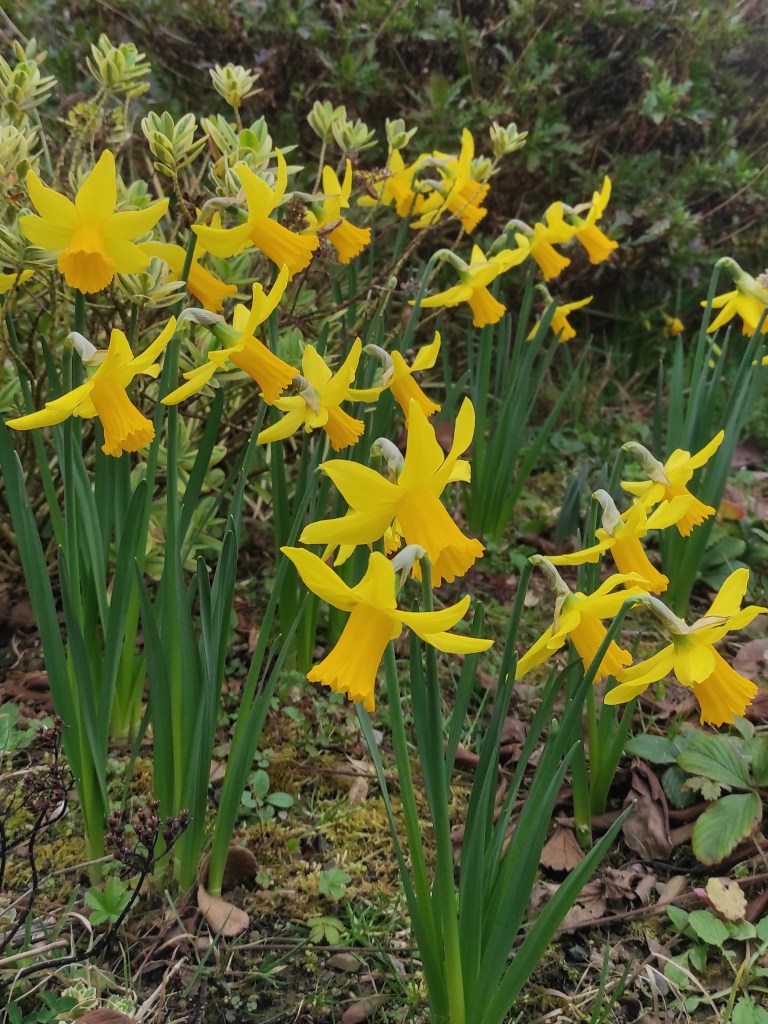
Do not remove the foliage from the bulbs after flowering, this is important as food produced by the leaves will be stored in the bulb for flower production the following year.
By planting bulbs in late autumn, you are setting the stage for a colorful and beautiful garden in the following spring and early summer. Remember to choose firm healthy bulbs, prepare the soil correctly, consider planting depths and spacing. Soon, you’ll be enjoying a garden filled with the breathtaking colors and scents of nature’s blooms. Happy gardening!
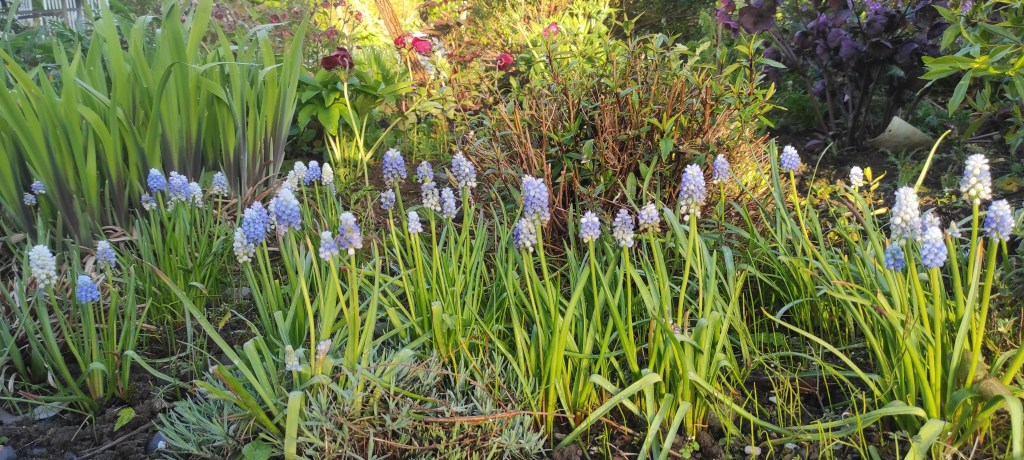
My Tip!
Plant smaller bulbs amongst perennials and under deciduous shrubs, not just at the front of the border, but throughout the whole depth of the border. This will create a layer of colour in Spring and draw the eye into the border. Perennials will grow over the foliage of the bulbs after the bulbs have flowered, thereby disguising the dying foliage of the bulbs in later Spring.

 Ciaran The Gardener