
pH. Two letters, one small, one big, not even a proper word. Yet, it is a term every gardener should be familiar with. Whether you grow vegetables, fruit or ornamentals, knowing the pH allows you to select the right plants for your garden and to maintain soil fertility at the optimum for better crops. pH is a measure of the acidity or alkalinity of substances. The pH scale goes from 0 to 14. O is very acid, 7 is neutral and 14 is very alkaline.
Why is pH important to gardeners? Two things, first certain plants prefer acidic soil conditions; including Rhododendrons, Camellia blueberry bushes and most heathers. Secondly, pH has a great influence on the availability of soil nutrients, certain nutrients become unavailable at a low pH- magnesium and calcium, while iron and manganese are restricted when the pH is high. All nutrients are effected by pH and the widest availability of nutrients is at a pH of 6.5. For most vegetables a pH of 6.5 is ideal. So here is how to test your soil, its easy, you don’t need a white coat or a laboratory!

What you will need is a soil testing kit for pH, a sieve and of course a soil sample. In larger gardens you can take a number of samples, but for smaller areas, it is often sufficient to take one from the front garden and one from the back. Take the soil sample from about 10-15 cm deep from soil that has not been modified with additions of peat, ideally it should be dry.

This pH test kit does up to 30 tests, it contains a test tube with measurement markings, a bottle of pH test solution and barium sulphate, which is used to settle soil in the test tube, and a little spoon. Available from garden centers.

Step 1: Sieve your soil sample to remove stones and any debris such as twigs and roots of plants.
Step 2: Place a sample of soil into the empty test tube, up to the 1st line.
Step 3:Using the supplied measuring spoon place one spoonful of barium sulphate on top of the soil sample in the test tube. Barium sulphate is inert and helps to settle clay particles in the solution so that it does not become too cloudy .
Step 4. Add the pH indicator solution into the test tube filling to the third mark. Place the cap on top and then give the tube a good shake so that the contents are well mixed. Then leave to settle, this will take a few minutes. If the soil is has a high clay content, it may remain too cloudy. If this is the case, add another measure of barium sulphate and repeat this step.
Step 5:When the mixture has settle and the liquid clarifies you can compare the solution against the chart. Do this in good light conditions and hold the test tube about 1cm away from the white area of the chart.
Results:
Picture 6: a neutral pH reaction

Picture 7: an acid soil reacti0n
This soil will be suitable for plants referred to as lime hating or ericaceous plants. Rhododendrons, will thrive here. Many hydrangeas change their flower colour because of pH, turning blue in acid soils and pink in alkaline soils. This area would be not ideal for vegetables, but the good news if you have acid soil in your vegetable patch is that you can raise the pH using calcium carbonate also known as garden lime.

Camellia species and Rhododendron sinogrande will both thrive in acidic soil.

Raising the soil pH
If you get an acidic soil reaction and you intend growing vegetables then the addition of garden lime is required. Garden lime is available from garden centres. The amount of lime added will depend on the degree of acidity, follow the manufaturers instructions so as to avoid applying too much. The chemical reaction which results in an increase in pH will take time, that is why it is a good reason to do it now in the autumn. If you apply ime now. Take another pH test in early February to check that there has been a sufficient rise on pH levels, if more lime is needed make a second application.
Lowering soil pH
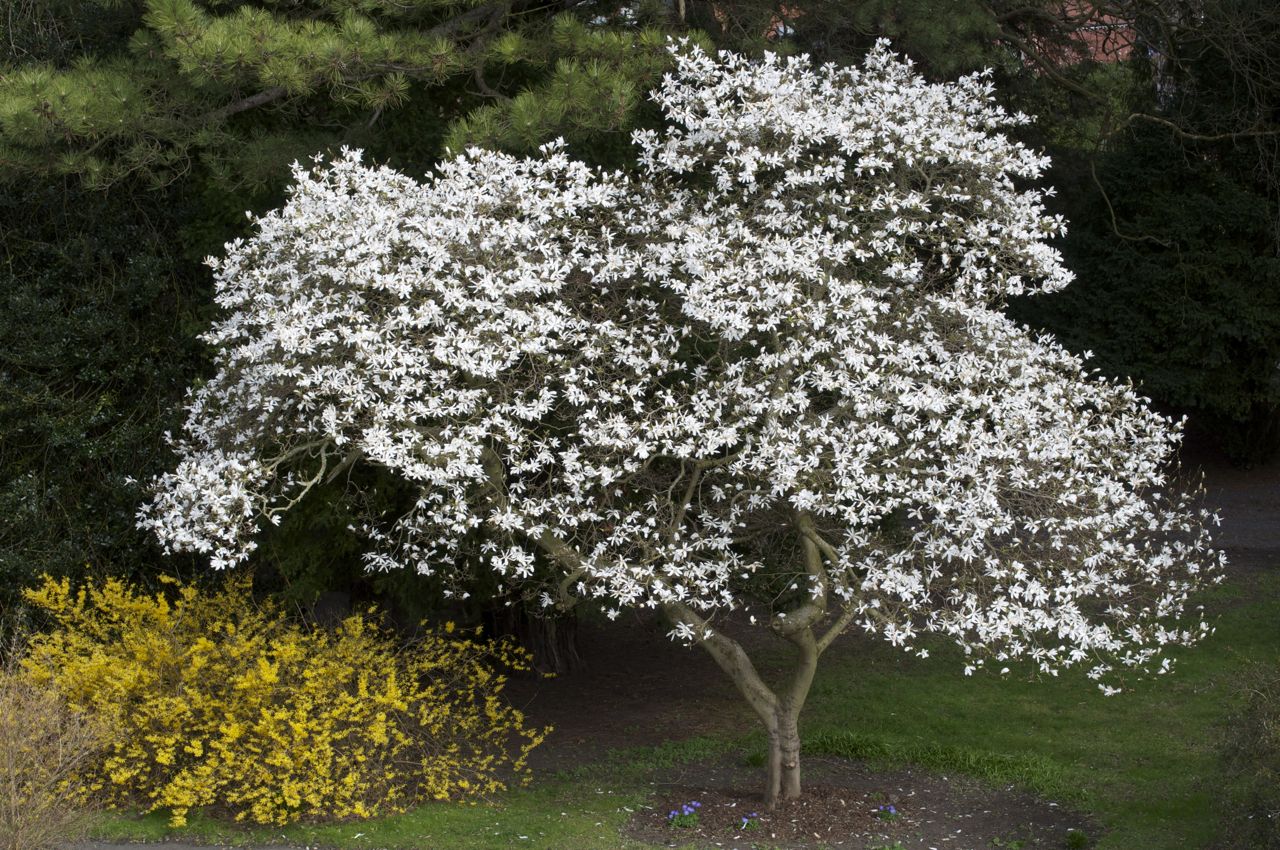
If you have an alkaline soil it is good. Certain plants such as Rhododendrons will not grow, so my advice is grow other plants instead. There is a huge variety of plants that will grow happily in alkaline soils. In theory soils which are alkaline can be made acid with the application of sulphur, but this is an expensive treatment and care must be taken so as not to produce soil toxicity which can result from over application of sulphur. If you really want a Rhododedron or Camellia and you have lime soil, then the best option is to grow some specimens in containers filled with a suitable compost.
Testing your soil for pHis very easy to do, this little bit of information about our soil makes a huge difference when selecting plants and planning our garden. If you don’t already know, test your soil. Next time you visit a garden centre you are armed with the important information and it will make selecting plants easier. When the assistant asks if you know what soil type you have you can confidently reply, they will be impressed!
THERE ARE OTHER JOBS TO DO IN THE GARDEN IN AUTUMN AND CROPS TO SOW AND PLANT – AUTUMN GARDENING TASKS

 Ciaran The Gardener