The weather has been wet, cold and miserable, and while it is far from sit out in the garden weather, there are signs of growth and the rain has stopped
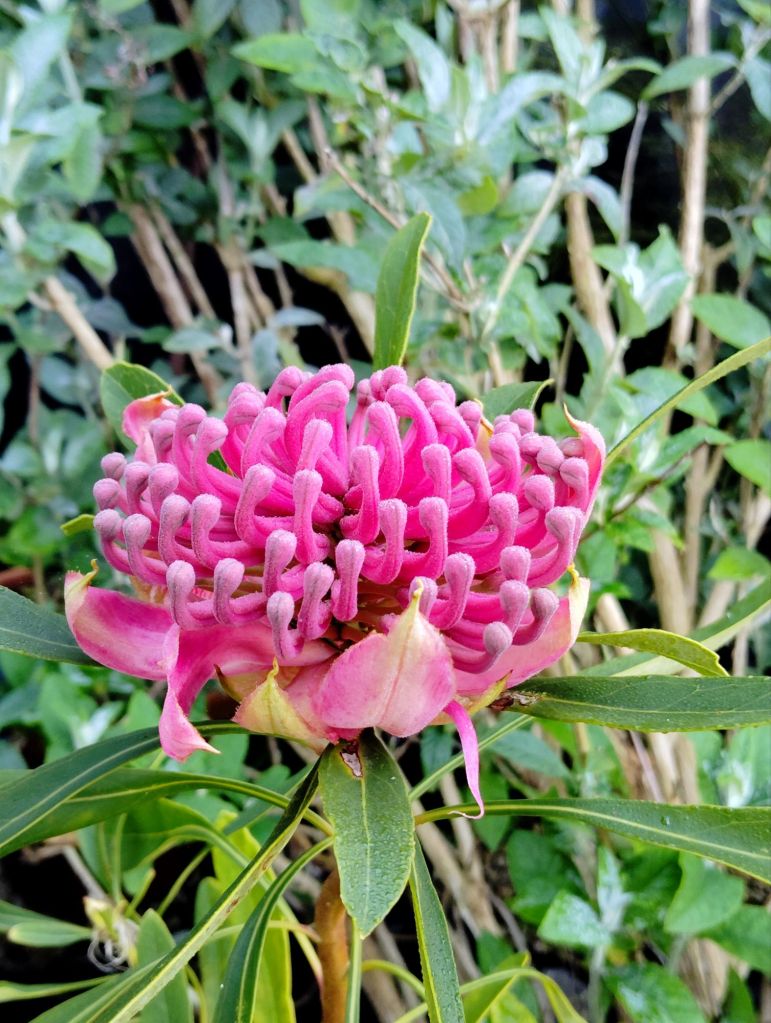
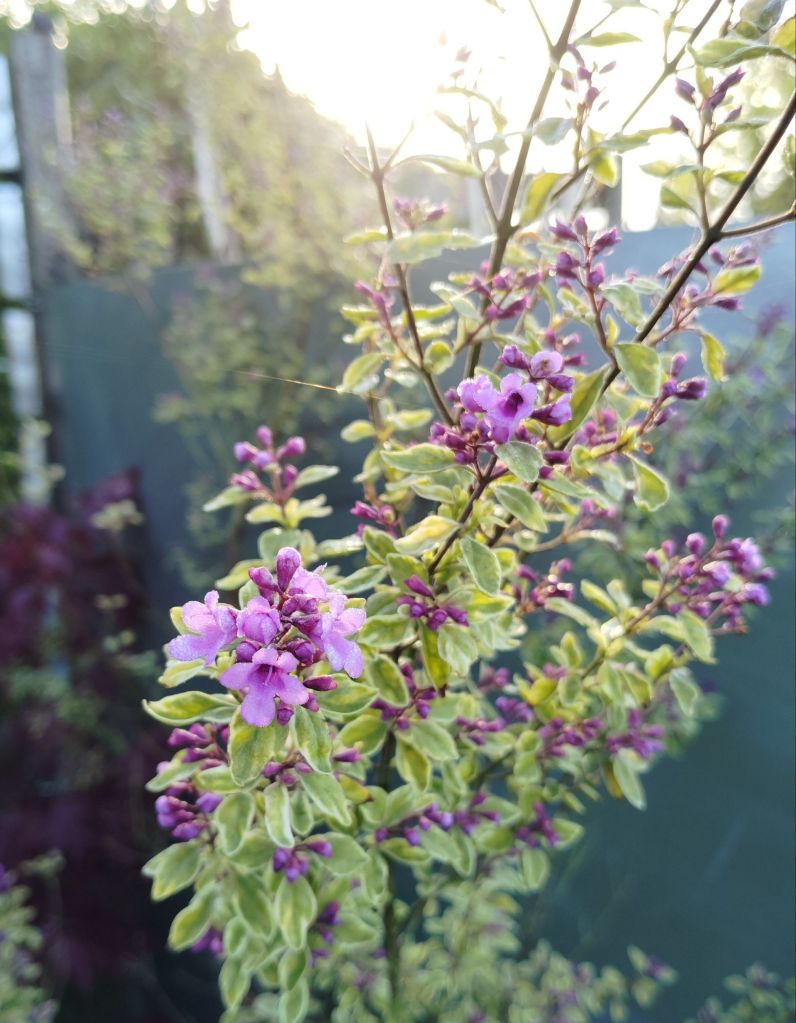
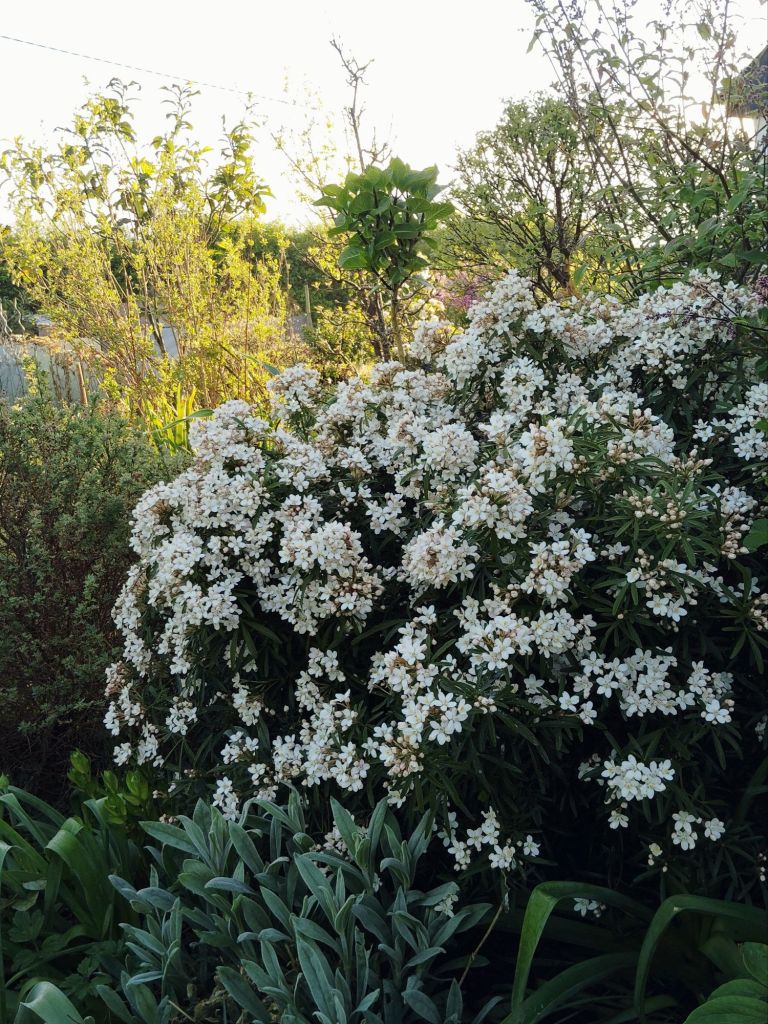
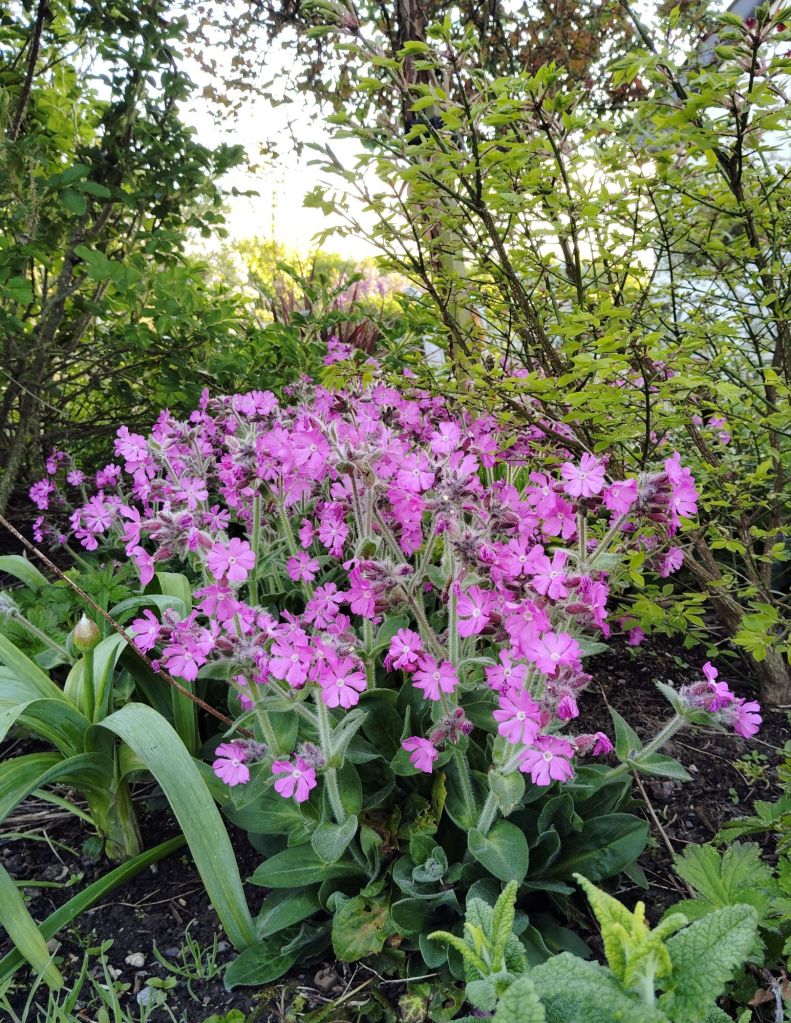
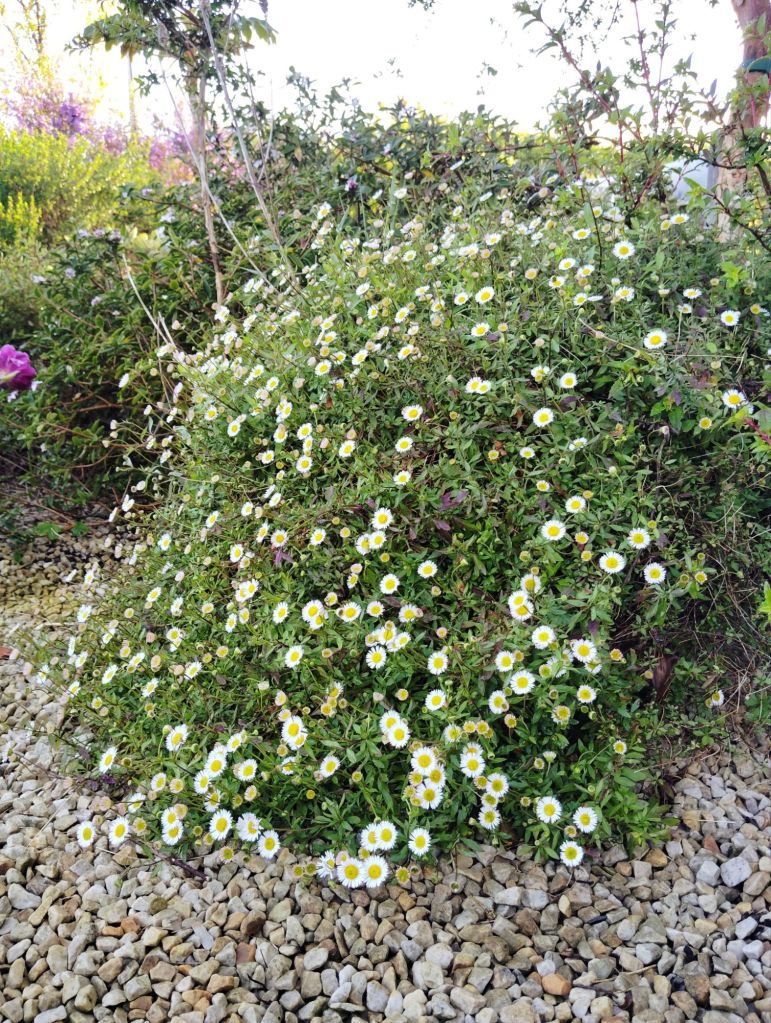
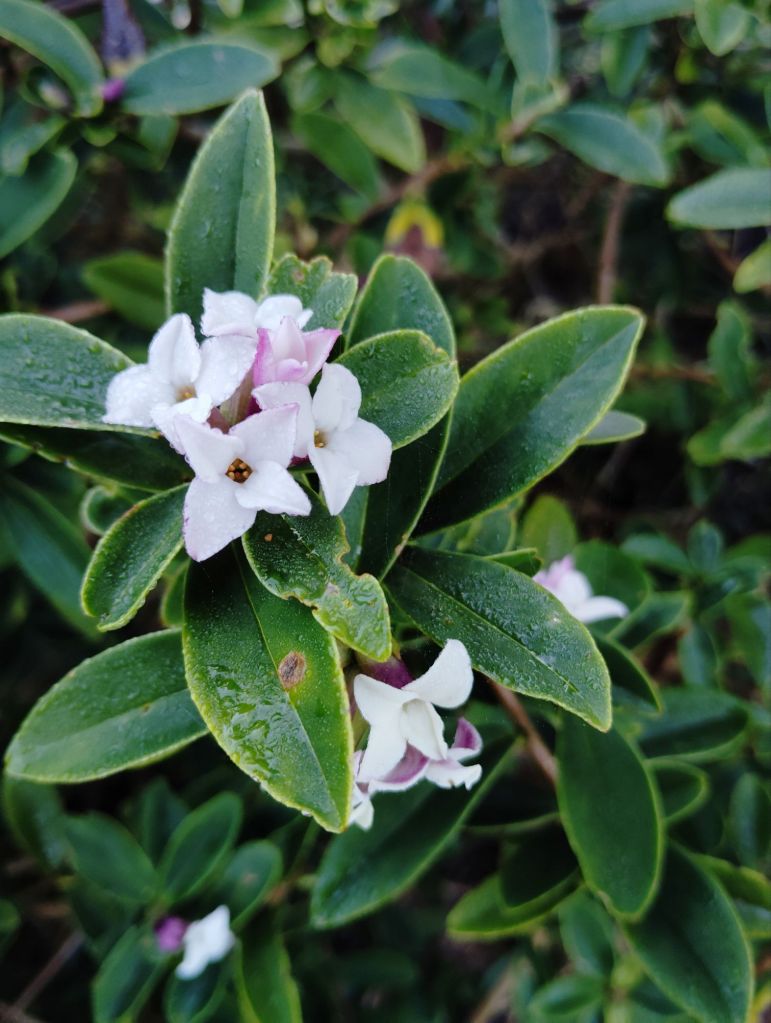
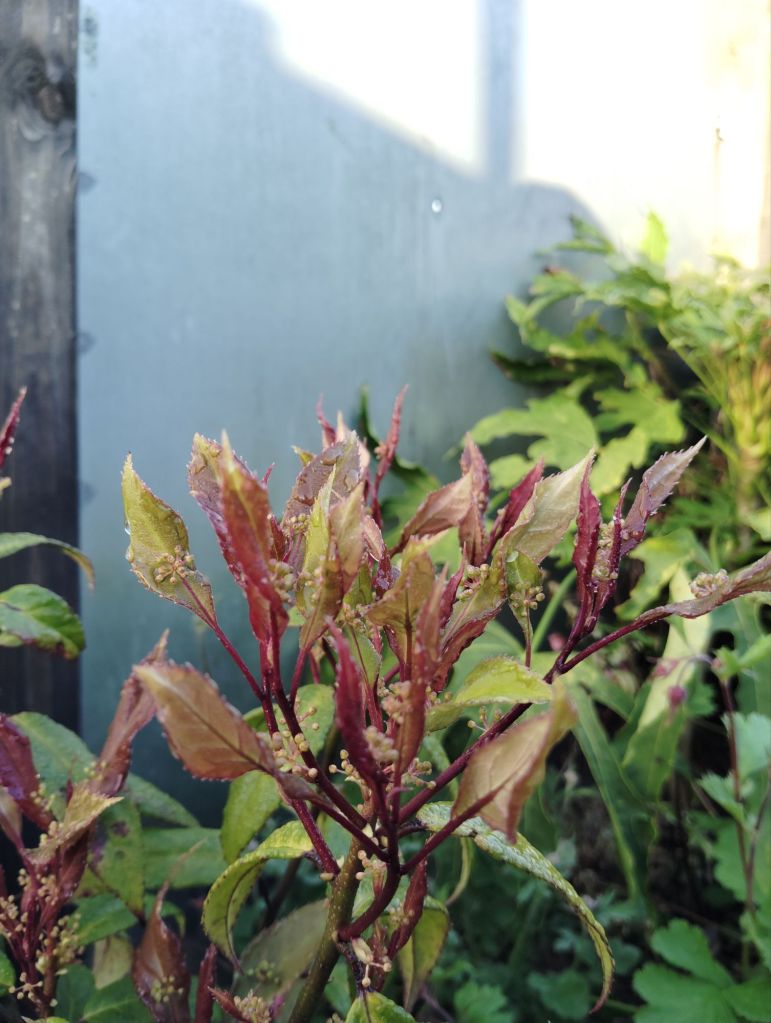
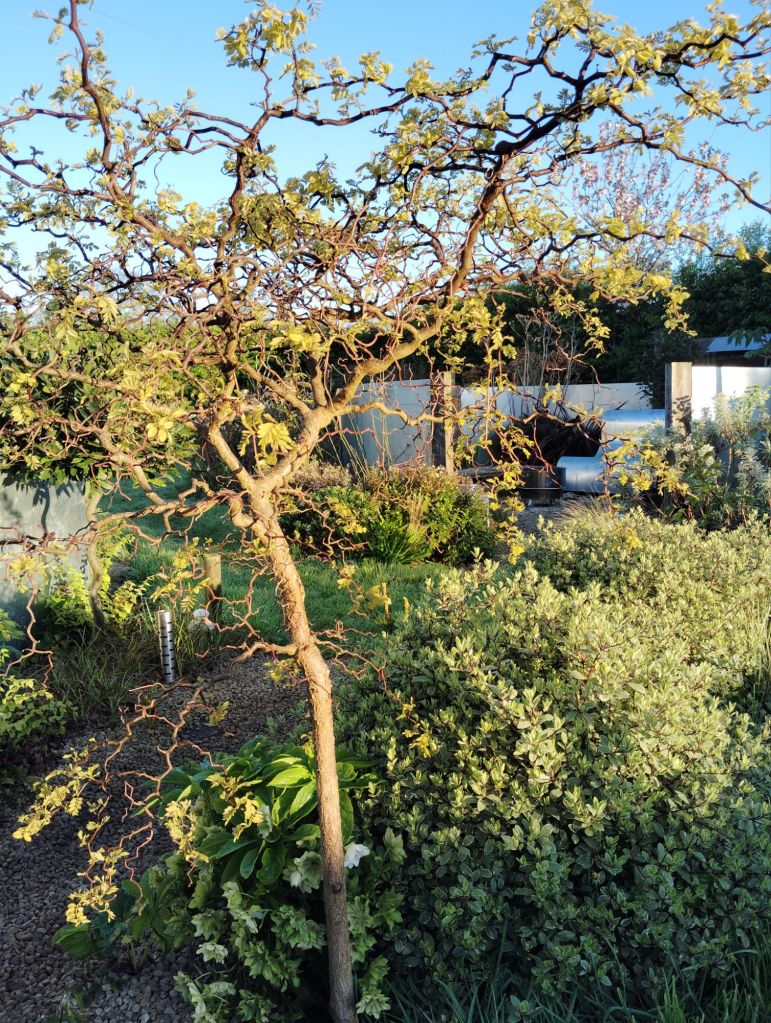
Here are some photos from the garden over the last couple of days.







Ciaran Burke Plants & Gardening

The weather has been wet, cold and miserable, and while it is far from sit out in the garden weather, there are signs of growth and the rain has stopped
Here are some photos from the garden over the last couple of days.


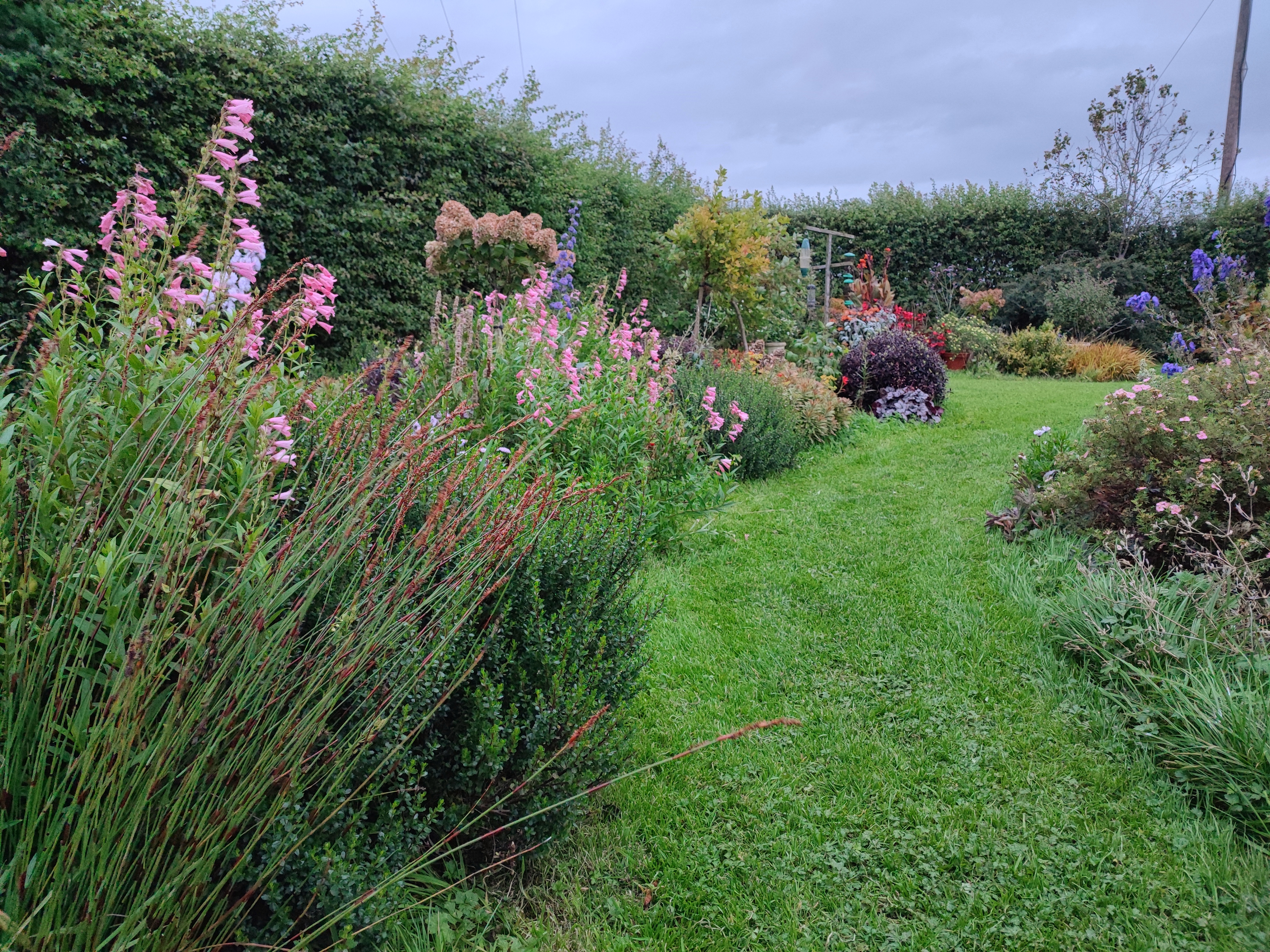
In the world of garden design, plants play a crucial role in creating interest and beauty. As a seasoned gardener, I have found that Baccharis patagonica, Euphorbia ‘Ascot Rainbow, and Pittosporum ‘Tom Thumb’ are three indispensable species that consistently enhance my planting scheme. Their evergreen foliage, compact rounded shapes, and vibrant colors never fail to catch the eye and bring a sense of sophistication to my garden.
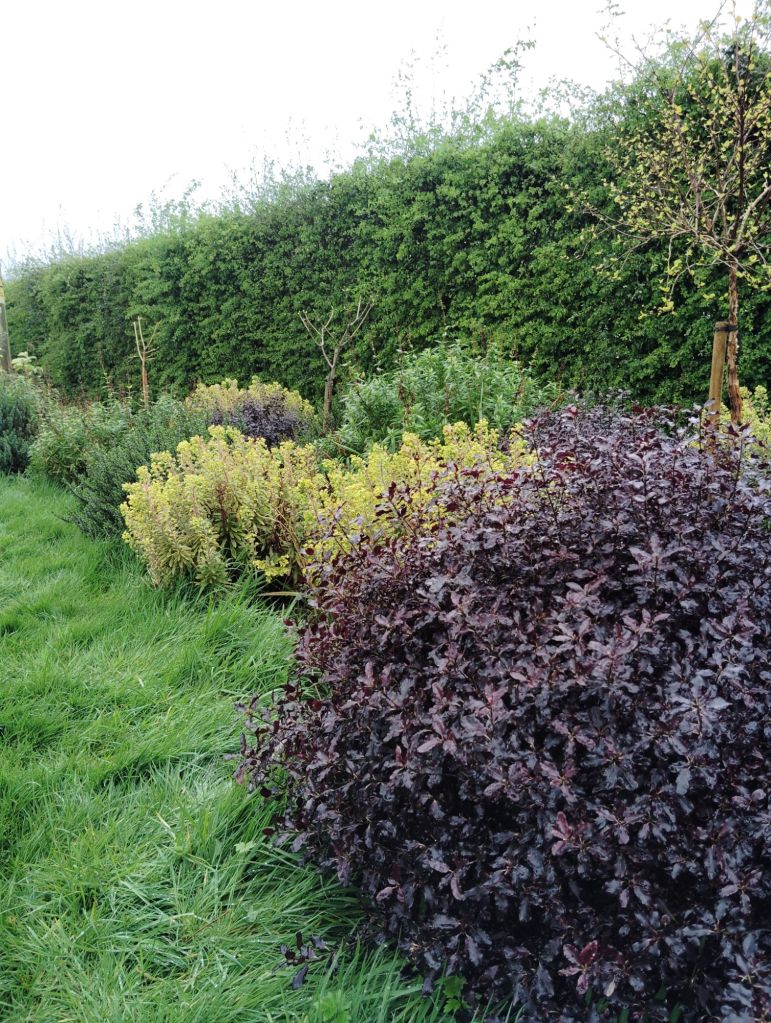
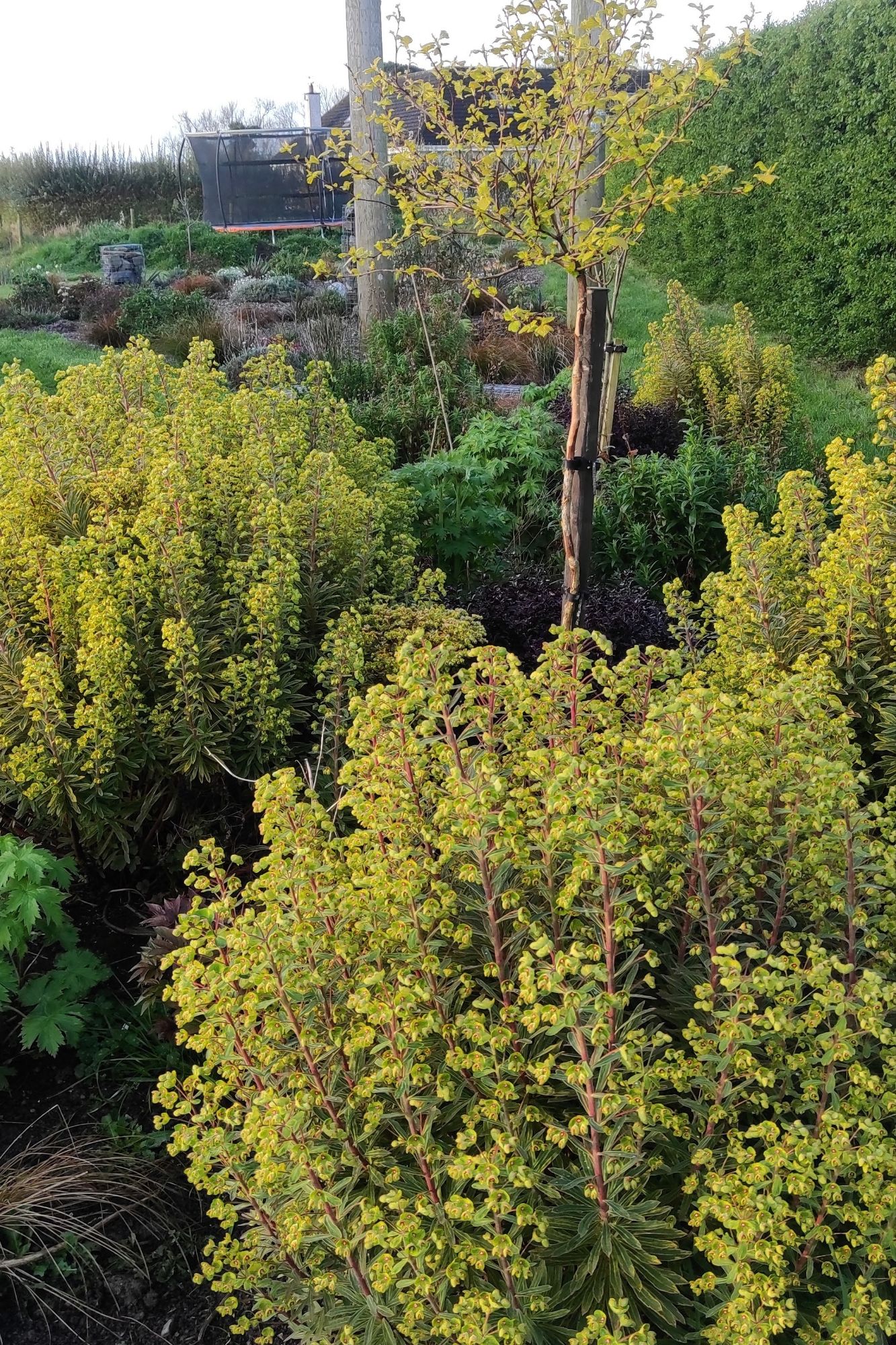
When designing the long border in the Pylon Garden here at The Paddock Garden, I turned to these three plants for their ability to provide interest year-round. Baccharis patagonica’s delicate leaves and Euphorbia ‘Ascot Rainbow’s vibrant variegation create a dynamic visual contrast, while the small stature of Pittosporum ‘Tom Thumb’ with its dark purple leaves in winter adds depth and dimension to the overall composition. Whether used as focal points or as repeated accents throughout the border, these plants never fail to impress.
Both Baccharis patagonica and Euphorbia ‘Ascot Rainbow have attractive floral displays, while the foliage of Pittosporum ‘Tom Thumb’ changes to a more mottled green in summer before returning to dark purple in winter, adding a seasonal dimension to the planting scheme.
Each of these three plants I have used multiple times within the same border, the relation of form I find pleasing while their contrasting colours add visual appeal. Over the last couple of years their dense growth has become wider, thereby helping to suppress weeds.
In summer, Delphinium Highland Hybrids add vertical exuberance with their flowers. I have also included a number of plants of Penstemon ‘Hidcote Pink’ that are also evergreen and provide a long lasting floral display from Summer through autumn.
Here is a quick rundown of each plant:
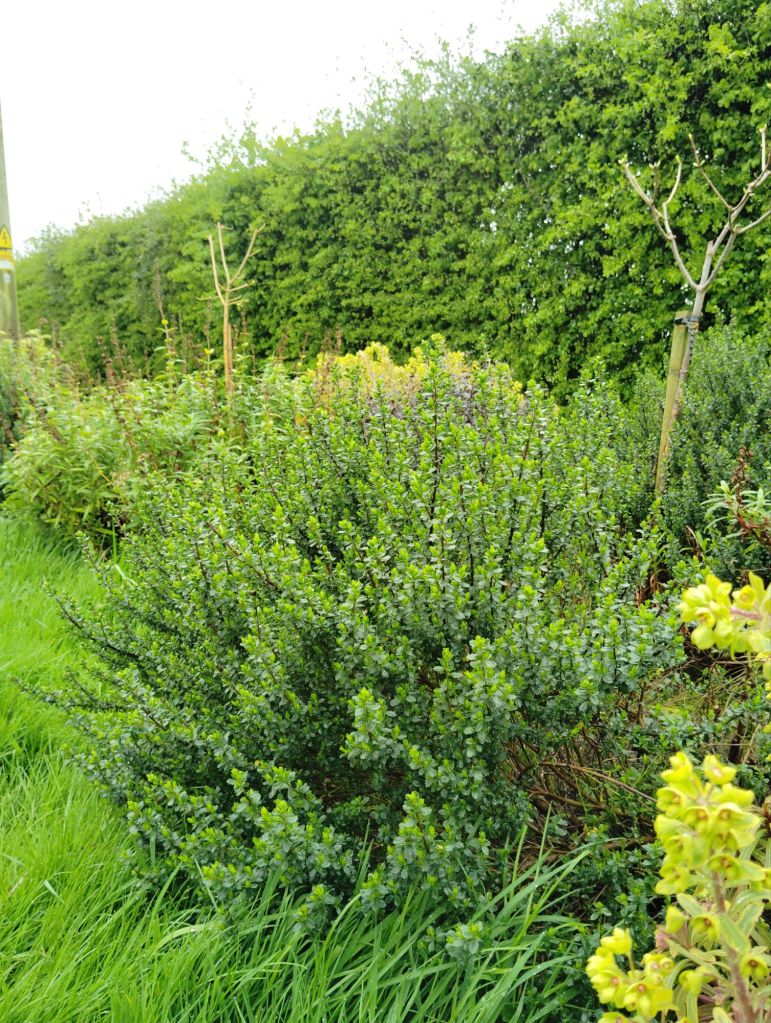
Baccharis patagonica:
Euphorbia ‘Ascot Rainbow’:
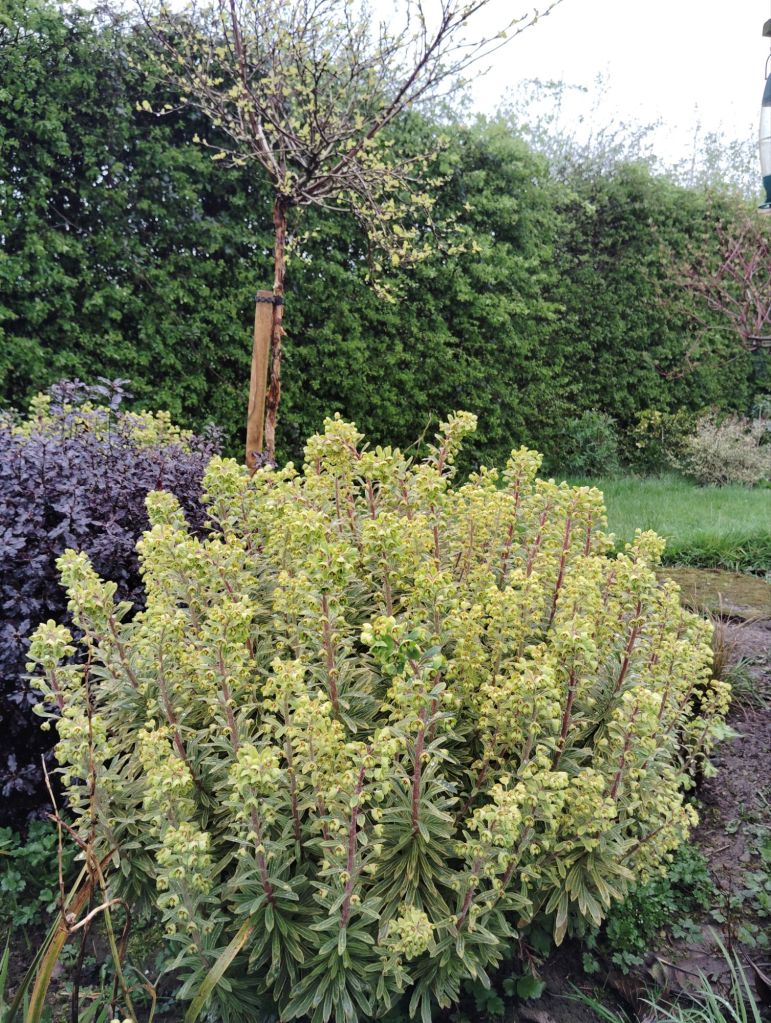

Pittosporum ‘Tom Thumb‘:
By incorporating Baccharis patagonica, Euphorbia ‘Ascot Rainbow, and Pittosporum ‘Tom Thumb’ into your garden, you can create a visually captivating and evergreen structure that will provide year-round interest. Their unique qualities and ease of care.






Potting Up Dahlia Tubers for Planting Outside in May
Spring is in the air, and it’s time to start thinking about getting your garden ready for the summer months. If you’re a fan of dahlias, now is the time to start potting up your tubers in the greenhouse so they’re ready to be planted outside in May.
Step 1: Preparing the Tubers
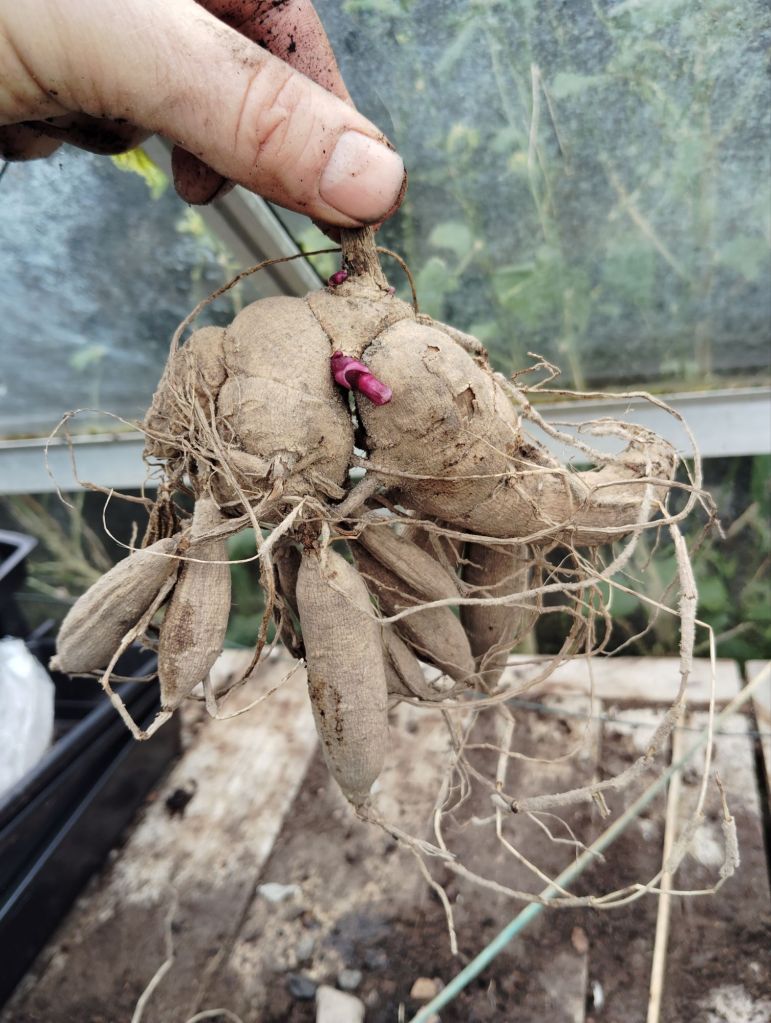
Before you start potting up your dahlia tubers, you need to prepare them. First, remove any damaged or diseased tubers. Then, cut the tubers into pieces, each with at least one eye. The eyes are small, brown bumps on the tubers where new growth will emerge.
Step 2: Choosing the Right Pots
When choosing pots for your dahlia tubers, make sure they’re large enough to accommodate the tubers’ growth. The pots should also have drainage holes to prevent the tubers from rotting.
Step 3: Potting Up the Tubers
Fill the pots with multi-purpose compost mixed with added John Innes. Then, place the tuber pieces in the pots, eye-side up. Cover the tubers with compost, and water them well.

Step 4: Caring for the Tubers
Place the pots in a warm, sunny spot in the greenhouse. Keep the compost moist but not soggy. The tubers will start to sprout in a few weeks.

Step 5: Planting Outside
In May, when the risk of frost has passed, you can plant your dahlia tubers outside. Choose a sunny spot in your garden with well-drained soil. Plant the tubers at the same depth they were in the pots. Water them well, and mulch around the plants to help retain moisture.
Tips for Growing Dahlias
With a little care, your dahlia tubers will produce beautiful flowers that will add color and beauty to your garden all summer long.

As the door is about to close on February, and March raises the curtain on another month, the garden will soon be a stage filled with colourful performers.
The morning light arrives earlier each day, accompanied by soundtrack of singing birds, I get to spend a few welcome minutes in the garden before my inter-county commute.
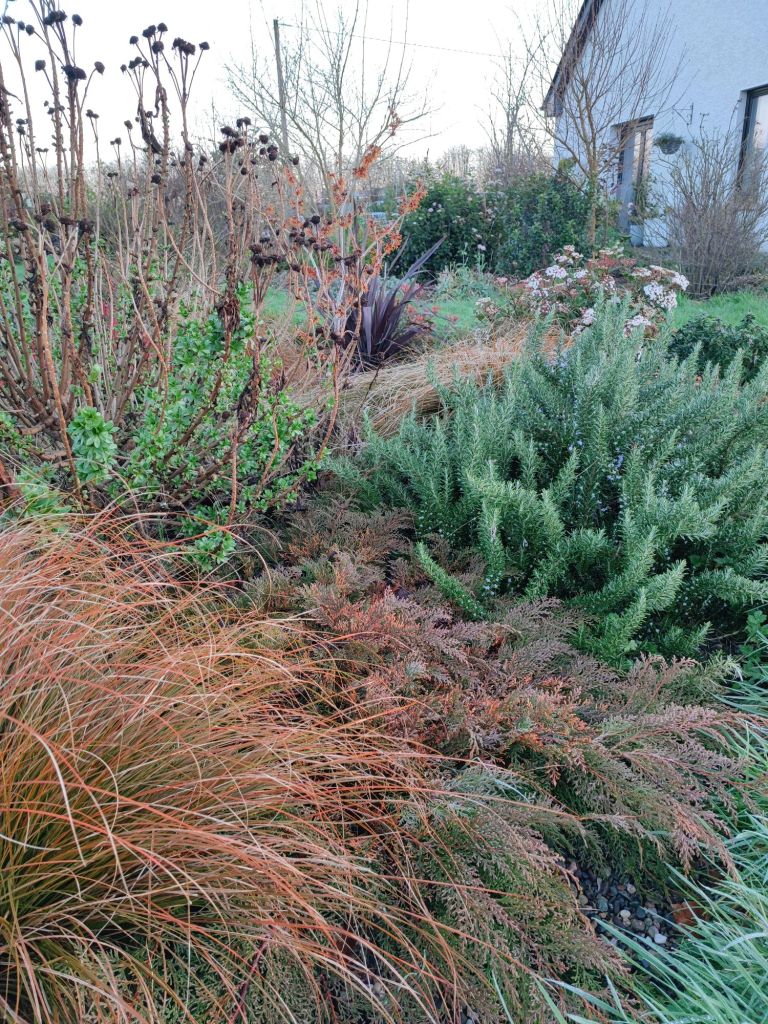
Buds on the Nipponanthemum nipponicum are bursting with green, it is time to cut back the deadwood stems, blue flowers are open on the spreading rosemary, Rosmarinus officinalis var. prostratus, enlivening the grey green aromatic stems with hope of warm days to come.
Warm brown hues linger on the Microbiota decussata, a reminder that it is still not full spring and summer is a while away yet, it will still be many weeks until the brown scale leaves turn from brown to fresh green.

In the stillness of the early morning, the hair-like foliage of orange Carex testaceae ‘Prairie Fire’ does not move, even the slightest breath of wind will shake the wispy foliage like a head of long silky hair.
As the sun rises and the sky takes on a golden glow, the air smells of renewal and swelling buds are bursting with new season energy, but I shiver in the cold air, filled with the warm feelings, but chilled by the season. Soon. Soon, it will be warmer, and the garden will transform and like the days, we will feel bright and warm.


Anisondontea capensis is a magnificent plant. I purchased mine in May 2021, as a plant trained on a short stem, or mini-standard as they are sometimes called.
I potted the plant on into a bigger pot , and by the end of the summer the plant was over 1 metre (3’3″) high and as much wide.
When winter arrived I brought it inside to the green house. It went back outside in May, I potted in into its current pot, a big terracotta pot. It became too big and cumbersome to move so it stayed outside for the winter of 22/23 which was quite cold, the coldest since 2010. It survived and the plant now thrives.
It is evergreen and flowers all year round. The video above was taken during this week, you can see there are lots of flowers.
The picture below was taken in early October 2023.

Maintenance wise the plant is easy, last spring I gave the crown of the plant a cut back and removed some dead branches, it seems to get a few each year.
Each week from May to September I give a liquid feed to all the pots, I have found it does not matter what fertilizer I use.
In March I will take the top centimetre or two or compost away and replace it with new compost with slow release fertilizer mixed in.
Then all I have to do is keep the plant watered, and it is one of the more forgiving plants in this regard, it will tolerate drier conditions, but will thrive if kept well watered.

I have a number of seld-seeded plants in the garden, one which is growing big between the shed and greenhouse, I noticed it has longer more deeply cut leaves than it’s parent plant.
Look out for these great plants in May, if you want an easy to care for, evergreen that flowers all year long in a container or in the ground.

Welcome to spring, the season of renewal and vibrant colors! This year, let’s create a stunning spring planter that will add a touch of nature’s beauty to your outdoor space. Here’s a recipe for a planter that combines the elegance of Ilex x meservae ‘Little Maid’ on a stem, the captivating fragrance of Trachelospermum jasminoides ‘Chameleon’, the silvery foliage of Calocephalus brownii, the vibrant red berries of Skimmia japonica ‘Rubella’, and the cheerful blooms of Wallflower Sugar Rush Series.

Ingredients:


Instructions:
By following this recipe, you’ll create a stunning spring planter that will be the envy of your neighbors and add a touch of nature’s beauty to your outdoor space. Enjoy the vibrant colors and delightful fragrances of spring with this captivating planter!
At the end of Spring I will re-use the plants, I will use some in the garden as permanent planting and others I will pot up for use next winter.


 Ciaran The Gardener