Hamamelis x intermedia: A Fragrant Addition to Your Garden
Hamamelis x intermedia, commonly known as the witch hazel, is a beautiful and fragrant shrub that is perfect for adding a touch of winter interest to your garden. This deciduous shrub is a hybrid of Hamamelis mollis and Hamamelis japonica, and it combines the best features of both parents.
Growing Hamamelis x intermedia
Hamamelis x intermedia is a relatively easy-to-grow shrub that is tolerant of a wide range of conditions. It prefers full sun to partial shade and well-drained soil. It is also tolerant of lime, making it a good choice for gardens with alkaline soil.
The Flowers of Hamamelis x intermedia
The flowers of Hamamelis x intermedia are one of the most striking features of the shrub. They are produced in late winter or early spring, and they come in a variety of colors, including yellow, orange, and red. The flowers are also very fragrant, and they fill the air with a sweet, spicy scent.
Using Hamamelis x intermedia in Your Garden
Hamamelis x intermedia is a versatile shrub that can be used in a variety of ways in the garden. It can be planted as a specimen shrub, or it can be used to create a hedge or screen. It is also a good choice for foundation plantings.
My Experience with Hamamelis x intermedia
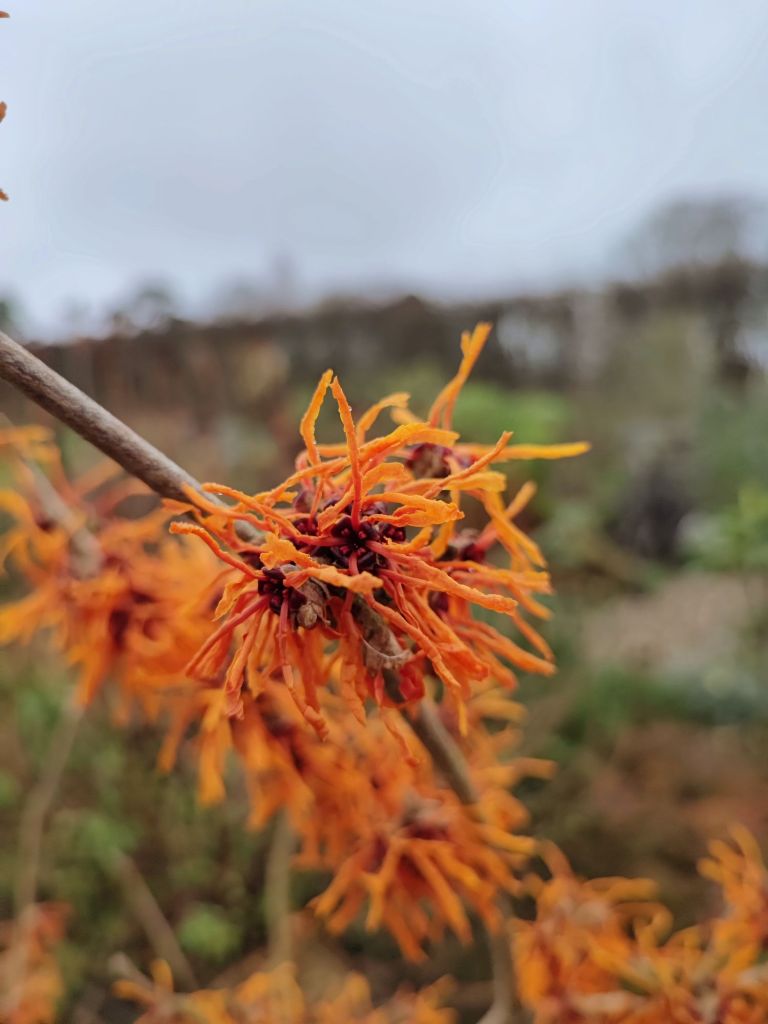
Hamamelis x intermedia ‘Aphrodite’
I have been growing Hamamelis x intermedia ‘Aphrodite’ in my garden for several years, and I have been very happy with it. It is a beautiful and fragrant shrub that is easy to care for. I would highly recommend it to anyone looking for a winter-interest shrub for their garden.
Here are some additional tips for growing Hamamelis x intermedia:
Plant the shrub in well-drained soil.
Water the shrub regularly, especially during dry spells.
Fertilize the shrub annually with a balanced fertilizer.
Prune the shrub in late winter or early spring to remove any dead or damaged branches.
With a little care, Hamamelis x intermedia will thrive in your garden and provide you with years of enjoyment.
Popular varieties of Hamamelis intermedia
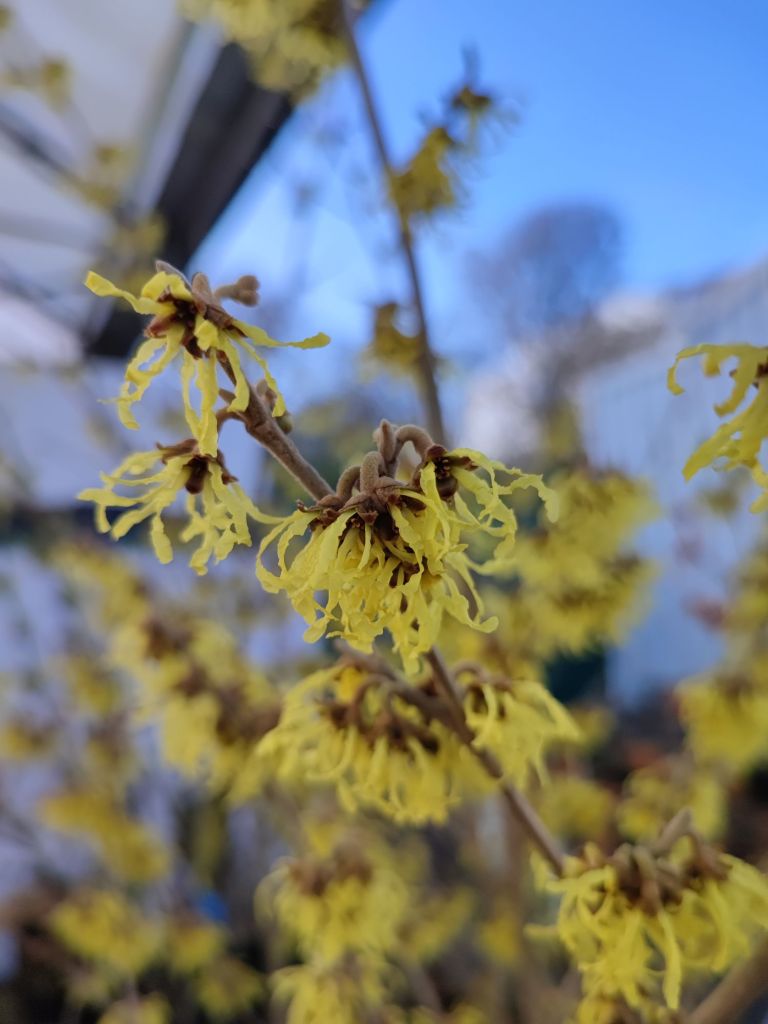
Hamamelis intermedia ‘Arnold Promise’
* Height: 3-4 m (10-13 ft) * Spread: 3-4 m (10-13 ft) * Flowers: Yellow, fragrant * Bloom time: Late winter to early spring
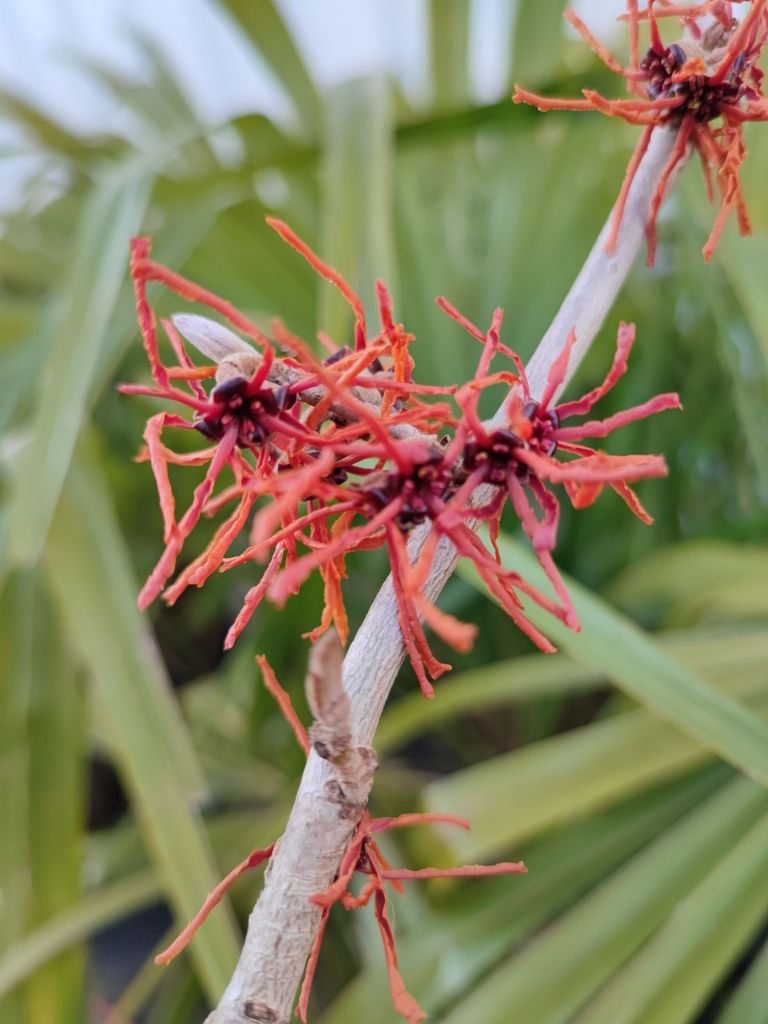
Hamamelis intermedia ‘Diane’
* Height: 2-3 m (6-10 ft) * Spread: 2-3 m (6-10 ft) * Flowers: Brick red, fragrant * Bloom time: Late winter to early spring
Hamamelis intermedia ‘Jelena’
* Height: 2-3 m (6-10 ft) * Spread: 2-3 m (6-10 ft) * Flowers: Red, fragrant * Bloom time: Late winter to early spring
Hamamelis intermedia ‘Pallida’
* Height: 3-4 m (10-13 ft) * Spread: 3-4 m (10-13 ft) * Flowers: Pale yellow, fragrant * Bloom time: Late winter to early spring
Hamamelis intermedia ‘Ruby Glow’
* Height: 2-3 m (6-10 ft) * Spread: 2-3 m (6-10 ft) * Flowers: Deep red, fragrant * Bloom time: Late winter to early spring
Hamamelis x intermedia ‘Aphrodite’ Hamamelis x intermedia ‘Arnold Promise ‘Hamamelis x intermedia ‘Jelena”Hamamelis x intermedia ‘Pallida’
Cultivating the Charming Helleborus x hybrida: A Guide to Garden Glory
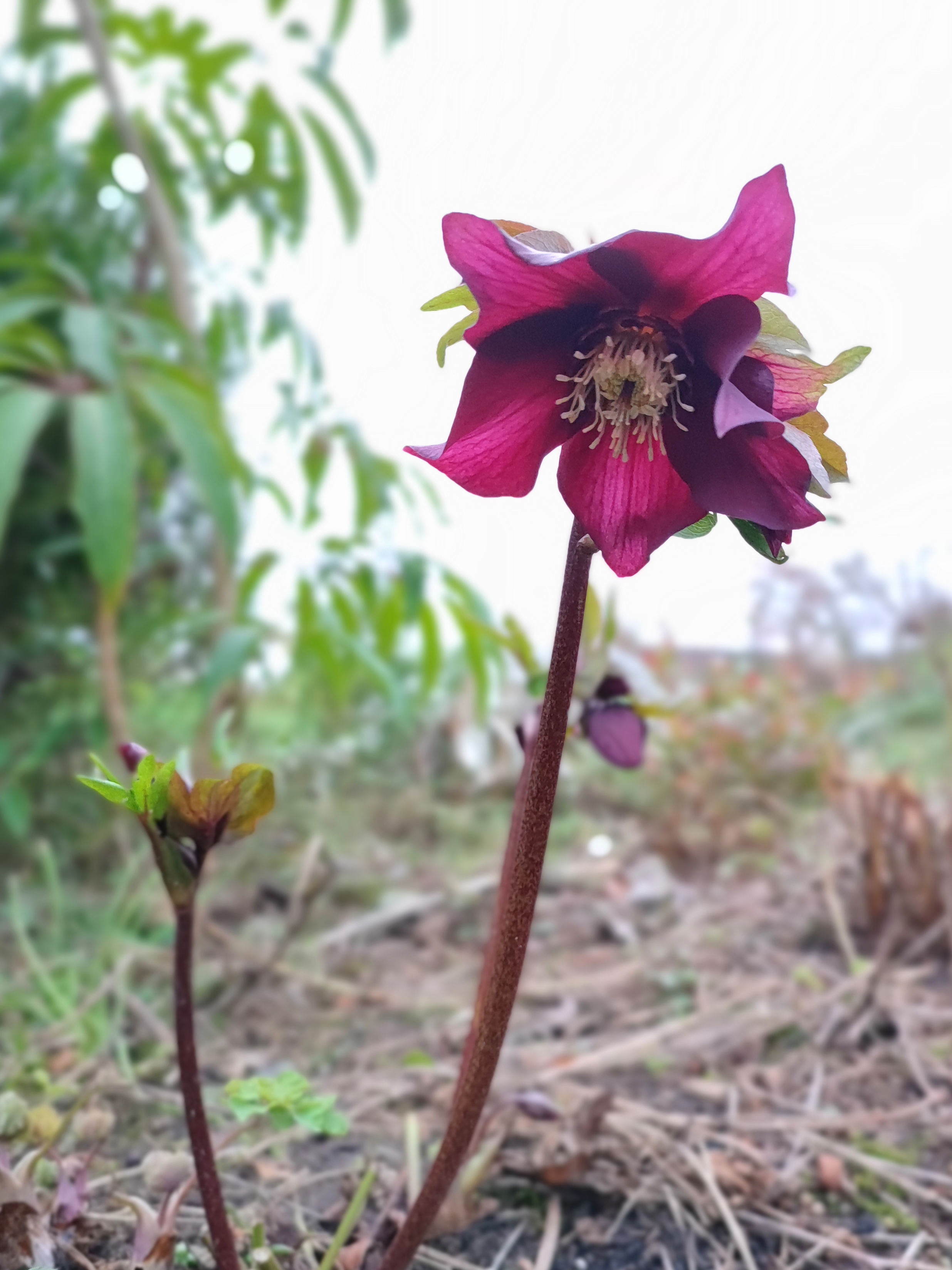
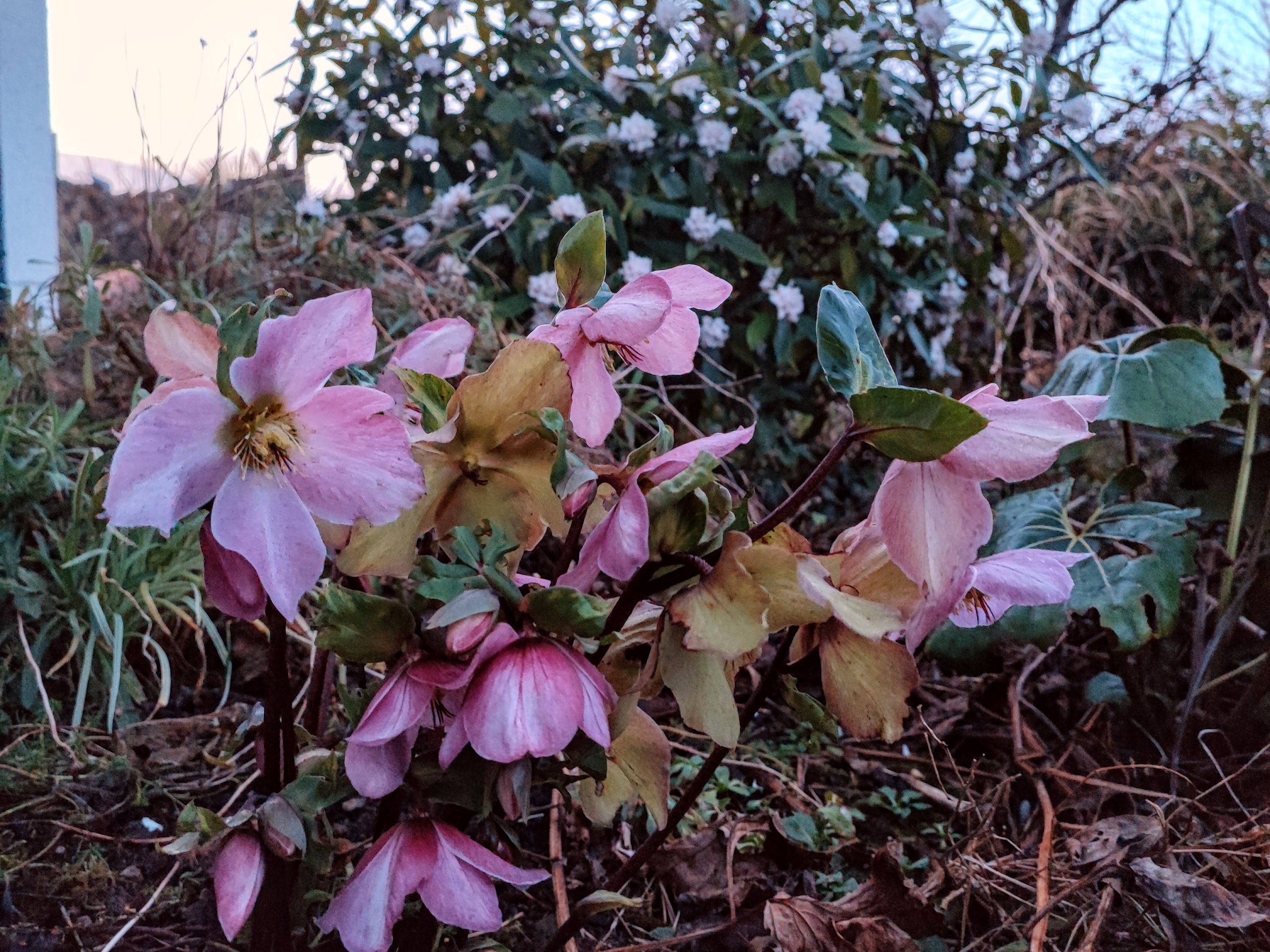
If you’re looking to enhance your garden with a touch of refined beauty that can weather the chilly times and bloom with the utmost poise, then the Helleborus x hybrida, commonly known as the Lenten rose, may just become your new botanical ally. This hybrid marvel is not only a stunner in the looks department, but it’s also a tough plant that can add splendor to your winter and spring garden. Let’s delve into the world of this fabulous perennial and unravel the secrets to nurturing it in your very own garden patch.
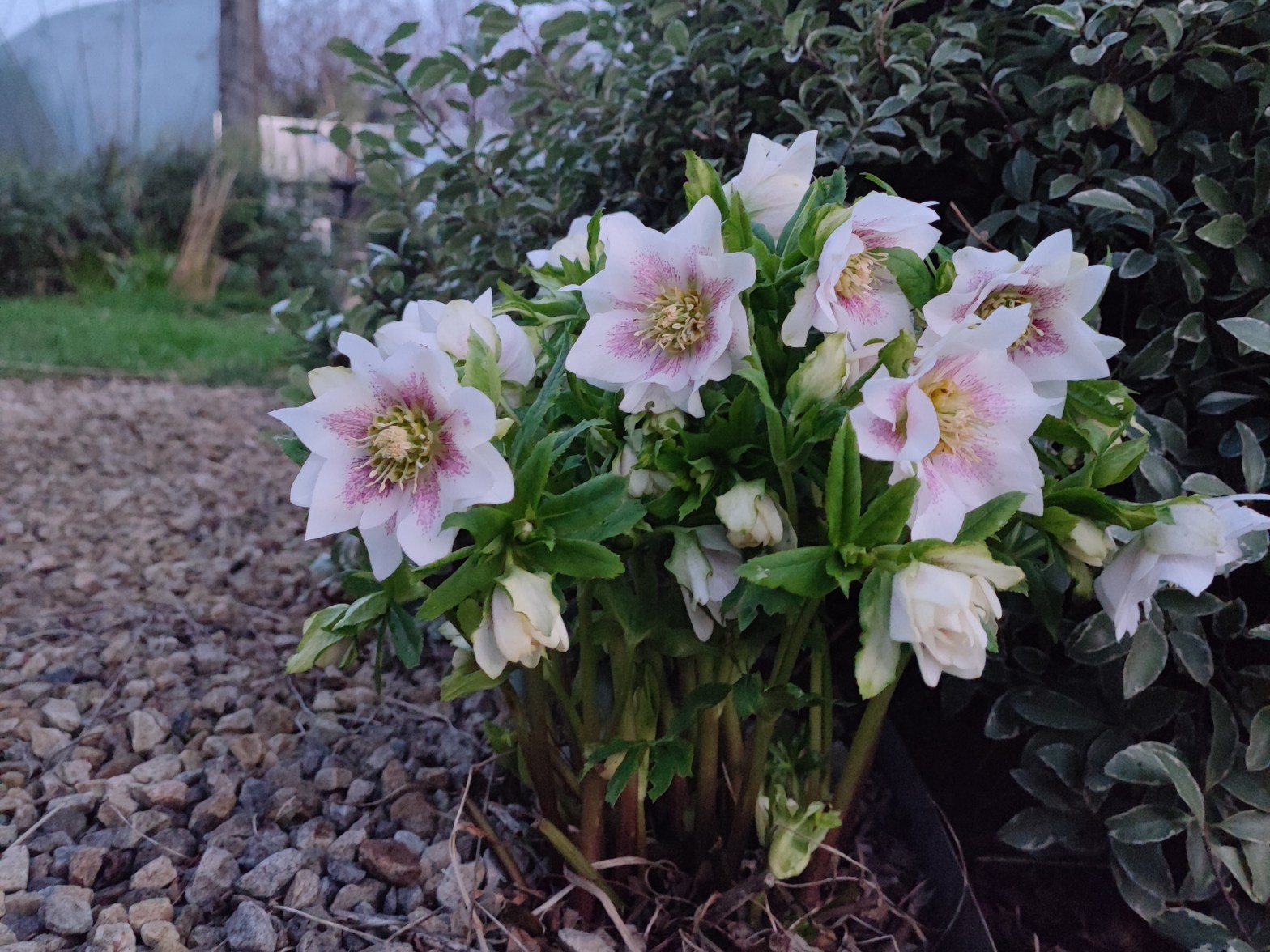
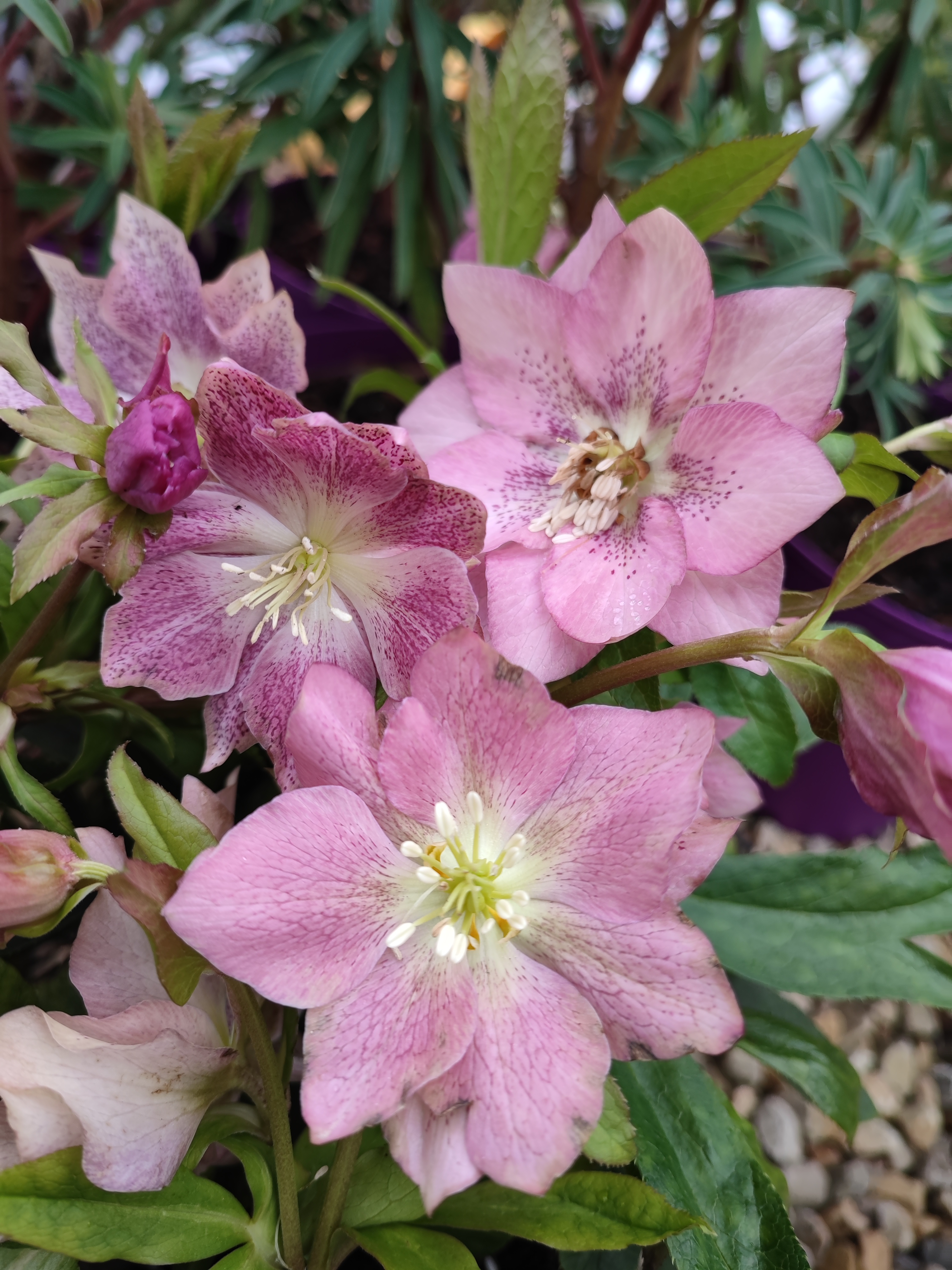
Double flowered varieties were once expensive and difficult to get, luckily they are now more widely available and affordable.
Giving It Ground: The Soil Conditions
Helleborus x hybrida isn’t a fussy diner when it comes to soil, but like any of us, it has its preferences. The ideal plate for this beauty is well-drained, fertile soil rich in organic matter. The richer, the better, hellebores can get by on fast food, but thrive on gourmet meals; if your garden has heavy clay or sand, working in lots of compost or well-rotted manure can transform it into a bed fit for a hellebore king!
A key thing to remember is that good drainage is akin to a comfortable bed for the Lenten rose. It cannot stand waterlogged feet for long periods, so make sure the soil allows for easy drainage to prevent root rot. Hellebores will do well in slightly acidic soils and also thrive in alkaline soils, like ours here at The Paddock.
Picking the Perfect Spot: Position Matters
While the Helleborus x hybrida is a star of the winter show, it takes the limelight, it’s pretty flexible about its stage. Partial to dappled shade, it will generally do well in areas that receive morning sunlight and afternoon shade or those that are shaded all day. They’re perfect understory plants beneath deciduous trees, where they can enjoy the filtered light.
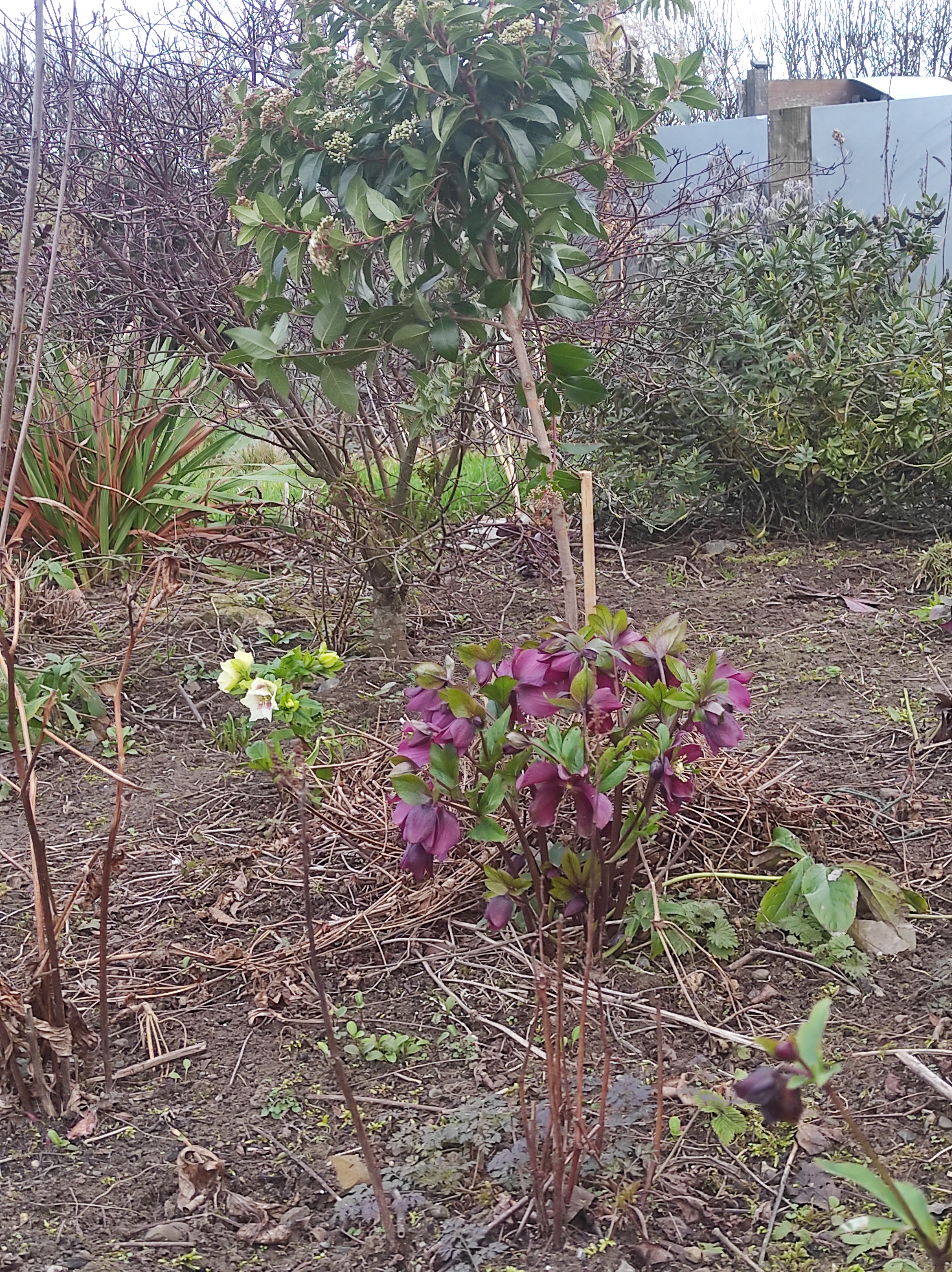
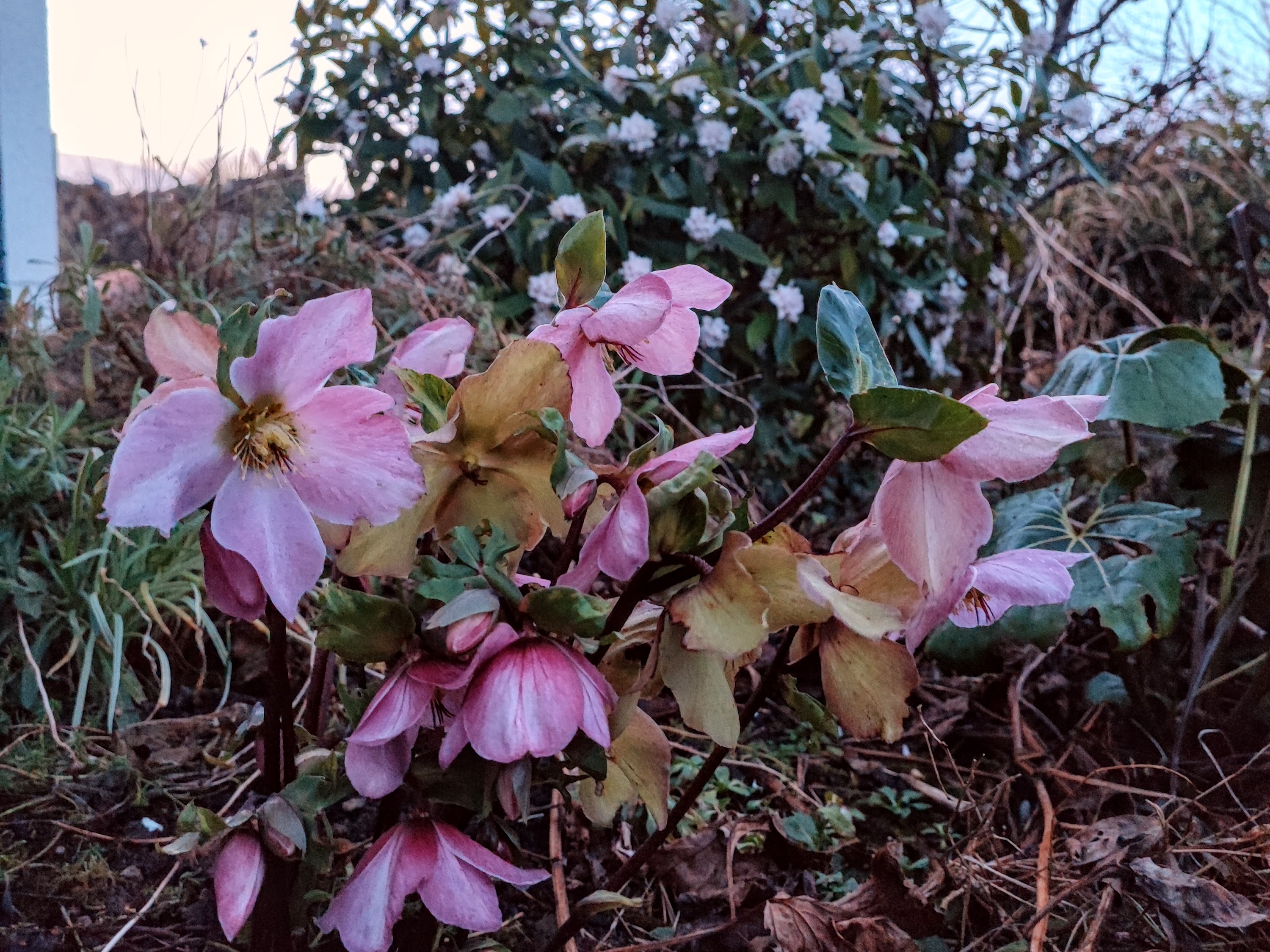
In Spring the hellbores bring life to the otherwise dormant borders, in summer they will be covered by the growth of summer flowering perennials.
I plant my hellebores futher back to the centre of the borders in The Patio Garden, and not at the front of the border. Although they are of short stature, i like to see them peeping up through the border, this leads the ey into the border rather than lingering on the perimeter.
In summer they are shaded by the growth of taller growing perennials and the foliage of shrubs, so far I have found this to be satisfactory arrangement, most of the Helebore plants are thriving, just be careful not to overcrowd them with very vigourous summer growth.
H. x hybrida ‘Cecilia’ has very big flowers, looking like a clematis!
What’s important is avoiding the full, harsh sun, especially in hotter climates, as this can scorch its leaves and flowers. Similarly, deep, dark shade might be a little too glum, leading to fewer blooms. It’s all about finding that happy balance, where it gets just enough light to perform without stealing the scene.
Maintenance: A Little Love Goes a Long Way
Now, let’s talk upkeep. Helleborus x hybrida is much like a low-maintenance friend; it thrives with a little bit of attention and doesn’t require constant hand-holding. Here are a few pointers to keep your hellebores happy:
Watering Wisely: Young plants do need regular watering to help them establish, but once they’re settled in, hellebores are fairly drought tolerant. Allow the soil to dry out slightly between watering to promote strong root systems.
Feeding Your Beauties: A top-dressing of compost or a balanced, slow-release fertilizer in early Spring can give them a boost for the upcoming bloom season. Think of it as prepping them for their grand entrance after winter.
Mulching Mastery: A layer of mulch helps retain moisture, keeps the roots cool, and feeds the soil as it breaks down. Just keep the mulch away from the plant’s crown to prevent rot.
Pruning Pro Tips: This is where you can really get into the gardening groove. Come winter or early spring, just before the new growth starts, it’s time for a little trim. Cutting away the old foliage, it allows the flowers to be admired without foliar distractions, it not only tidies up the plant but also prevents the spread of leaf spot disease and makes room for those lovely new flowers to shine.
Remember, when you’re clipping away, you’re performing a bit of botanical beautification; precise cuts can prevent damage to the emerging buds. And when you’re done snipping, you can sit back and watch as the new blossoms push through, unfurling like a floral finale that’s worth the wait.
Final Flourishes: The Simple Joys of Hellebore Care
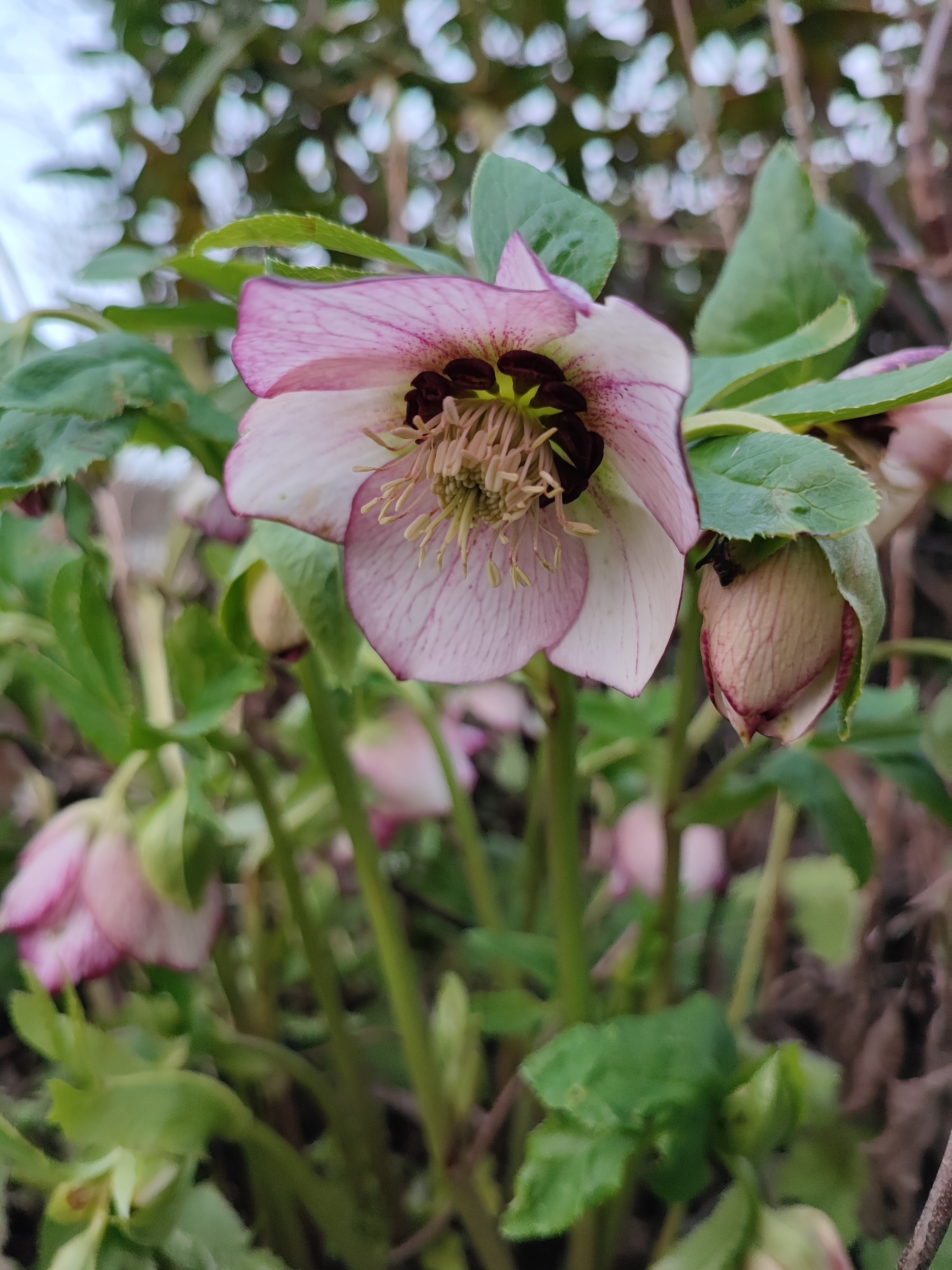
Caring for Helleborus x hybrida is as rewarding as it is untroublesome. They’re long-lived perennials that sprinkle joy throughout your garden year after year with minimal effort. During their blooming period, from late winter into spring, they’ll reward you with delightful rosettes of color, ranging from whites and creams to pinks, purples, and even deep, brooding maroons.
With just the right balance of dappled shade, a comfy soil bed, and a touch of seasonal care, Helleborus x hybrida will take your outdoor space from ordinary to extraordinary, even in the coldest months. Their resilience and low-maintenance demeanor are sure to make them a cherished addition to any garden, and are deinitely not boring.
Lots of us love plants, and we love to find new plants in garden centres, succumb to temptation and arrive home with our new purchases, then decide where to place them.
Diversity of plant types is good for nature, it is good for gardeners, adding interest and beauty to our gardens.
The danger with using lots of different plant varieties is that the planting scheme becomes a mish-mash or jumble of plants and the results are a confusing and unharmonious gathering of plants.
Harmony in the design can be achieved in different ways: colour of flowers, colours of foliage, plants of similar styles and also, plants with similar shapes.
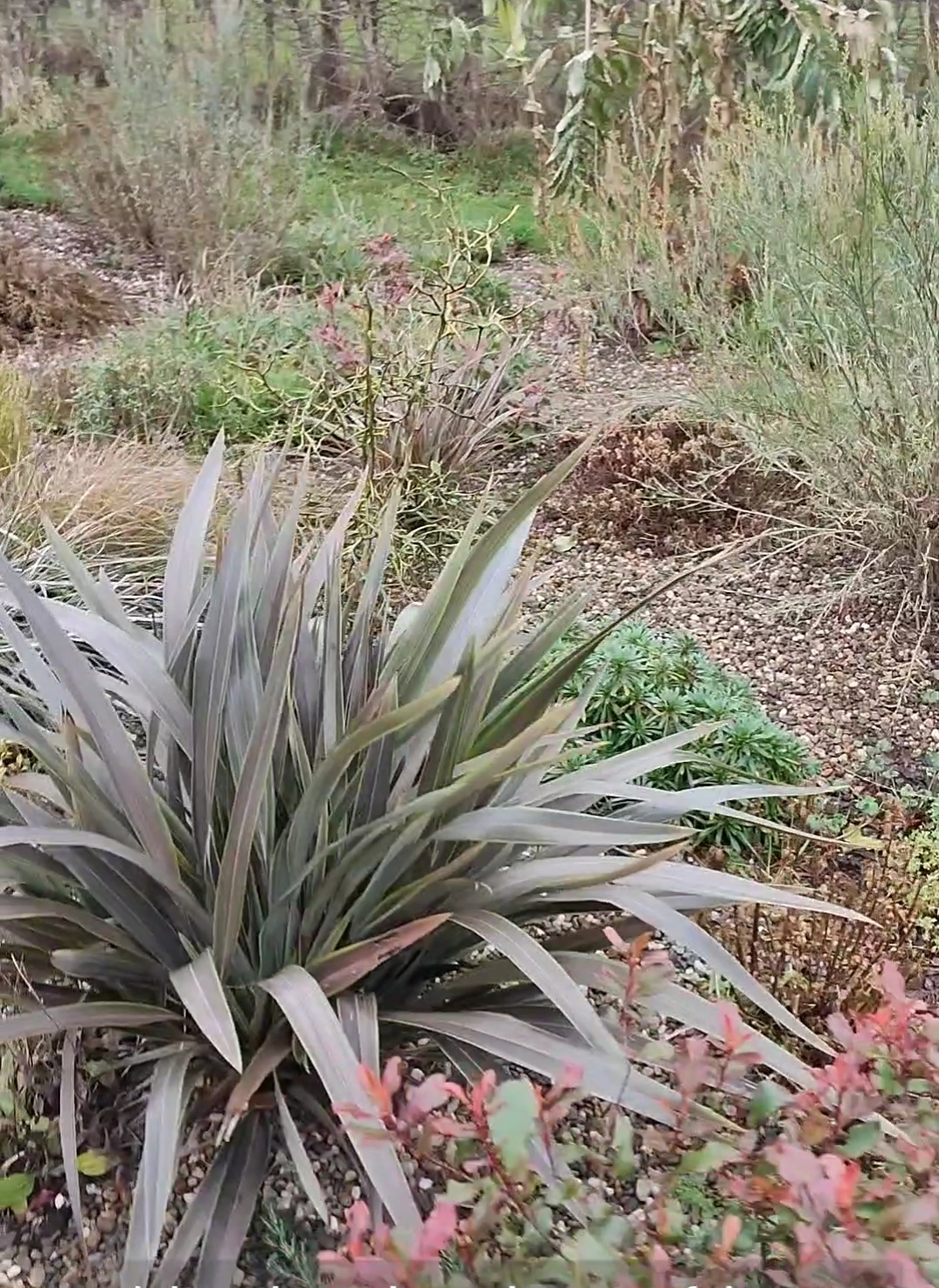
In The Pylon Garden here at The Paddock, I have repeated leafy tussocks of varieties of Phormium (New Zealand Flax) and Astelia, amongst others. See the video below.
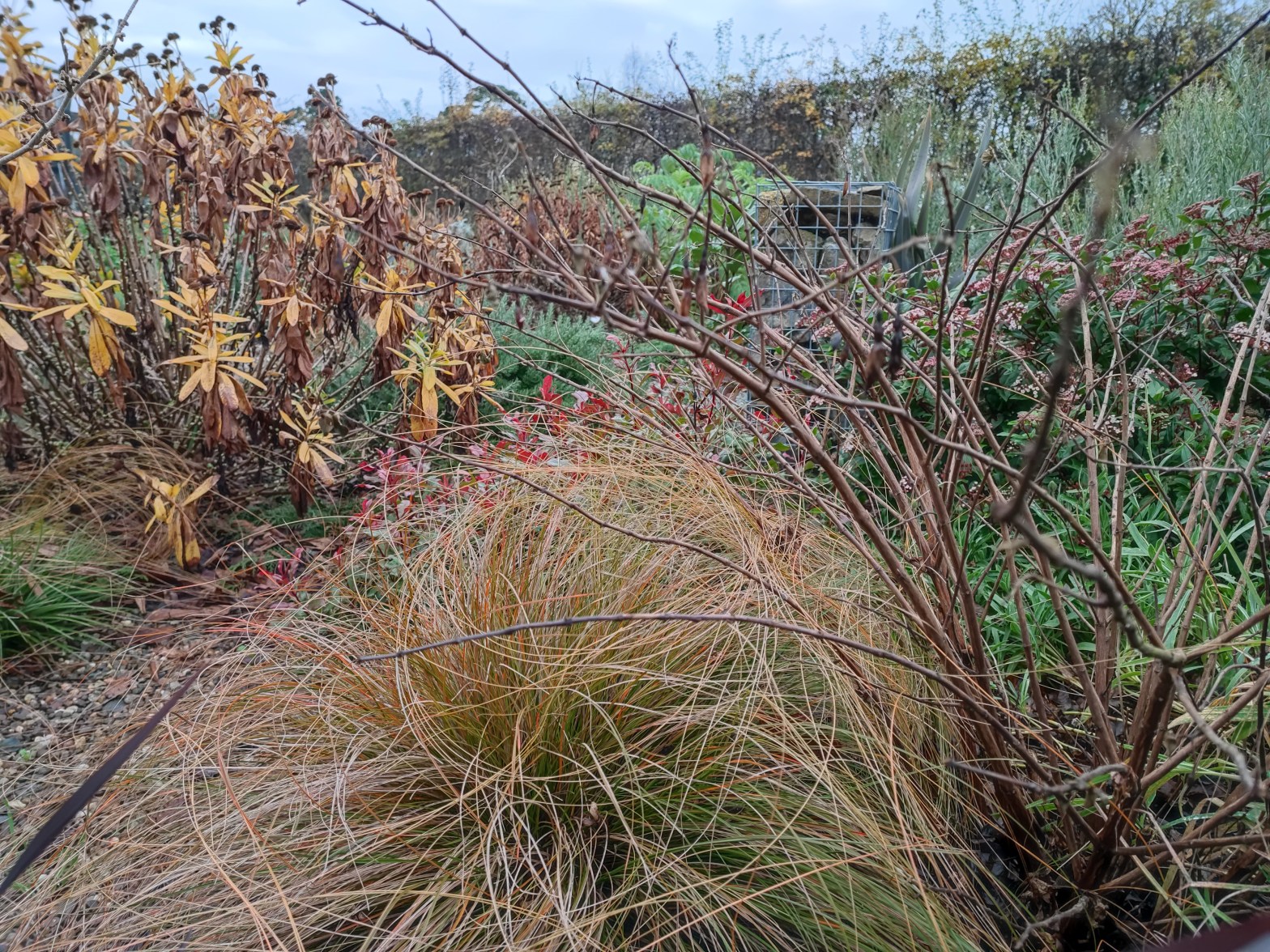
Two plants that I love for their colourful foliage and textures, especially colourful in winter
Microbiota decussata
Microbiota decussata, commonly known as Russian cypress or Siberian cypress, is a fascinating evergreen plant that adds charm and beauty to any garden or landscape. This ground-hugging coniferous shrub is native to the forests of Siberia and features unique characteristics that make it a versatile choice for ornamental purposes. Growing up to 20cm in height and spreading up to 1 meter wide, Microbiota decussata forms a dense mat of delicate feathery foliage. The scale-like leaves are arranged in a distinctive cross-cross pattern, providing an appealing texture and visual interest to any planting scheme.
One of the standout features of Microbiota decussata is its stunning seasonal color changes. During the warmer months, the foliage displays a vibrant green hue, creating a fresh and inviting atmosphere. As autumn arrives, the plant takes on a breathtaking bronze or burgundy coloration, infusing the landscape with warmth and depth. These color transformations make it a perfect choice for creating focal points, ground covers, or even accentuating rock gardens. Additionally, Russian cypress is a hardy plant that can withstand harsh winter conditions, making it an ideal choice for gardens in colder regions.
Microbiota decussata is an exceptional ornamental plant deserving of a place in any garden. Its compact and spreading nature, along with its unique cross-cross leaf arrangement, provide an attractive visual appeal. With its ability to change colors throughout the seasons and its capacity to withstand cold temperatures, this plant offers versatility and durability. Whether used as a ground cover, a focal point, or a companion to other plants, Russian cypress brings both aesthetic beauty and resilience to the landscape.
Carex ‘Prairie Fire’
Microbiota decussata, commonly known as Russian cypress or Siberian cypress, is a fascinating evergreen plant that adds charm and beauty to any garden or landscape. This ground-hugging coniferous shrub is native to the forests of Siberia and features unique characteristics that make it a versatile choice for ornamental purposes. Growing up to 10 inches in height and spreading up to 1 meter wide, Microbiota decussata forms a dense mat of delicate feathery foliage. The scale-like leaves are arranged in a distinctive cross-cross pattern, providing an appealing texture and visual interest to any planting scheme.
One of the standout features of Microbiota decussata is its stunning seasonal color changes. During the warmer months, the foliage displays a vibrant green hue, creating a fresh and inviting atmosphere. As autumn arrives, the plant takes on a breathtaking bronze or burgundy coloration, infusing the landscape with warmth and depth. These color transformations make it a perfect choice for creating focal points, ground covers, or even accentuating rock gardens. Additionally, Russian cypress is a hardy plant that can withstand harsh winter conditions, making it an ideal choice for gardens in colder regions.
In summary, Microbiota decussata is an exceptional ornamental plant deserving of a place in any garden. Its compact and spreading nature, along with its unique cross-cross leaf arrangement, provide an attractive visual appeal. With its ability to change colors throughout the seasons and its capacity to withstand cold temperatures, this plant offers versatility and durability. Whether used as a ground cover, a focal point, or a companion to other plants, Russian cypress brings both aesthetic beauty and resilience to the landscape.
Carex testaceae ‘Prairie Fire’
Carex testacea ‘Prairie Fire’, commonly known as Prairie Fire sedge, is a stunning ornamental grass that brings a fiery burst of color to any garden or landscape. This clump-forming perennial grass features slender arching leaves that range from orange and bronze to deep red, creating a vibrant and eye-catching display. Reaching a height of 1.5 feet (45 centimeters) and spreading up to 2 feet (60 centimeters) wide, Carex testacea ‘Prairie Fire’ forms a dense and compact mound, making it an excellent choice for ground covers or borders.
One of the notable characteristics of Prairie Fire sedge is its ability to maintain its colorful foliage throughout the year. Even in colder climates, the leaves retain their warm tones, providing visual interest even in the winter months. This resilience, combined with its adaptability to different soil types and moderate drought tolerance, makes it a low-maintenance and reliable choice for any garden. Whether used as a focal point or planted in mass for a vibrant display, Carex testacea ‘Prairie Fire’ adds texture, movement, and a fiery pop of color that elevates the aesthetic appeal of any landscape.
Carex testacea ‘Prairie Fire’ is an exceptional ornamental grass that offers both beauty and durability. Its slender arching leaves, ranging from orange to deep red, create a stunning visual impact. With its year-round color retention, adaptability, and low-maintenance nature, this grass provides a versatile option for various garden settings and styles. Whether used as a ground cover, a border, or a focal point, Prairie Fire sedge adds a vibrant and fiery touch that enhances the overall beauty of any landscape.
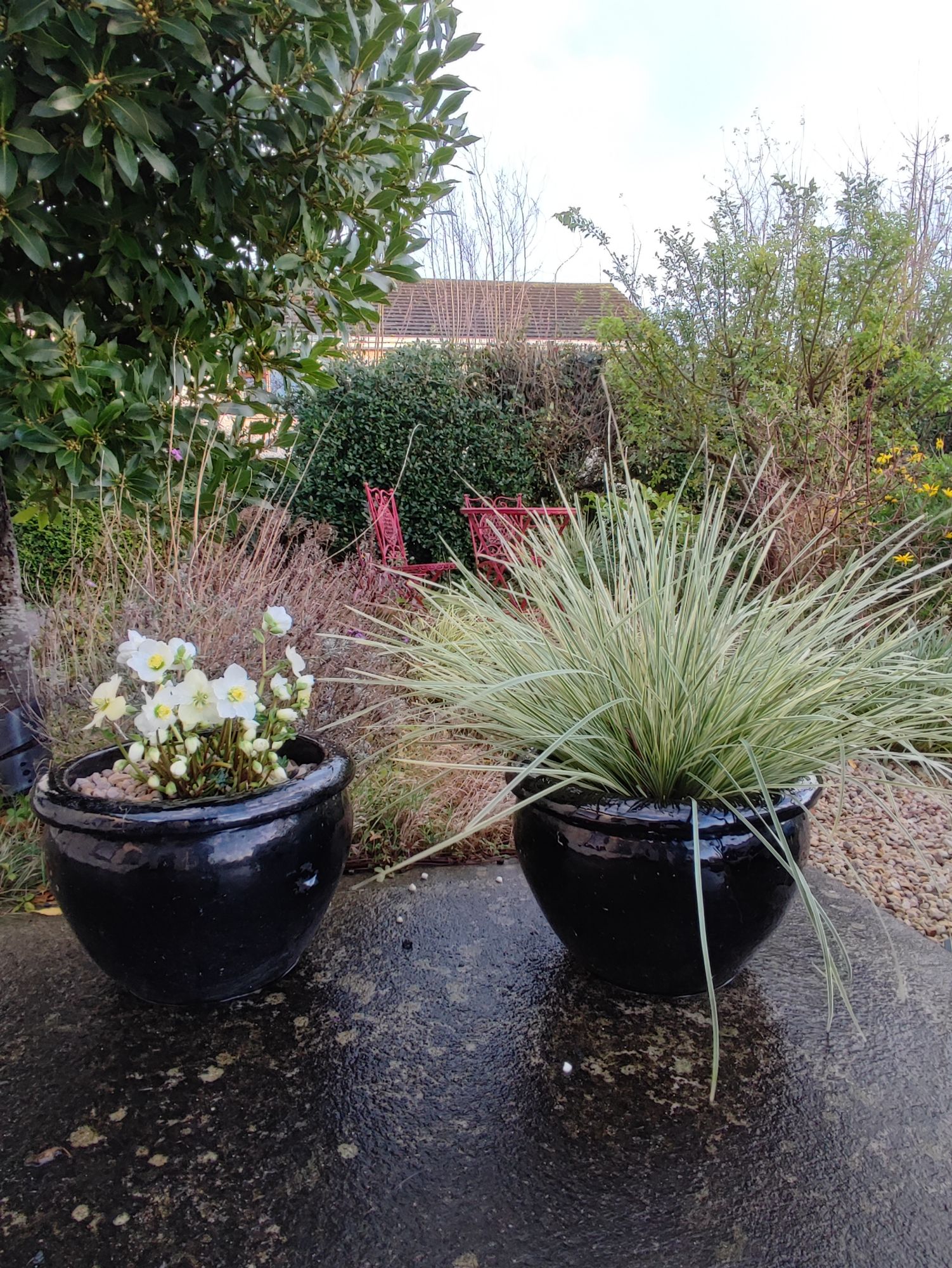
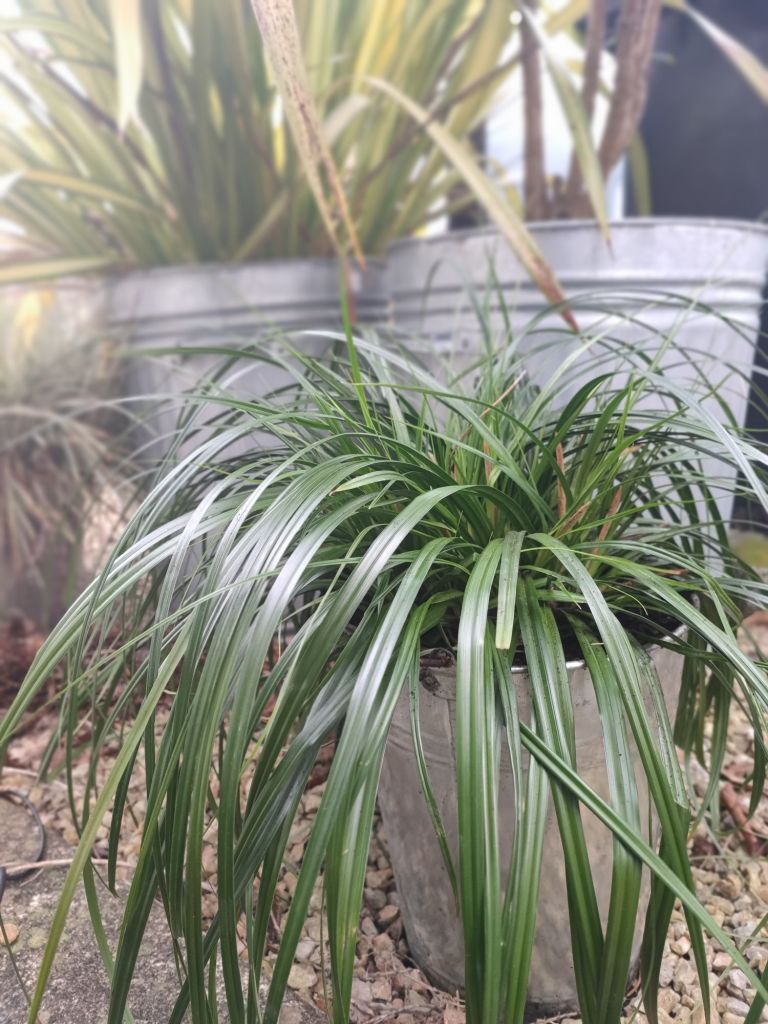
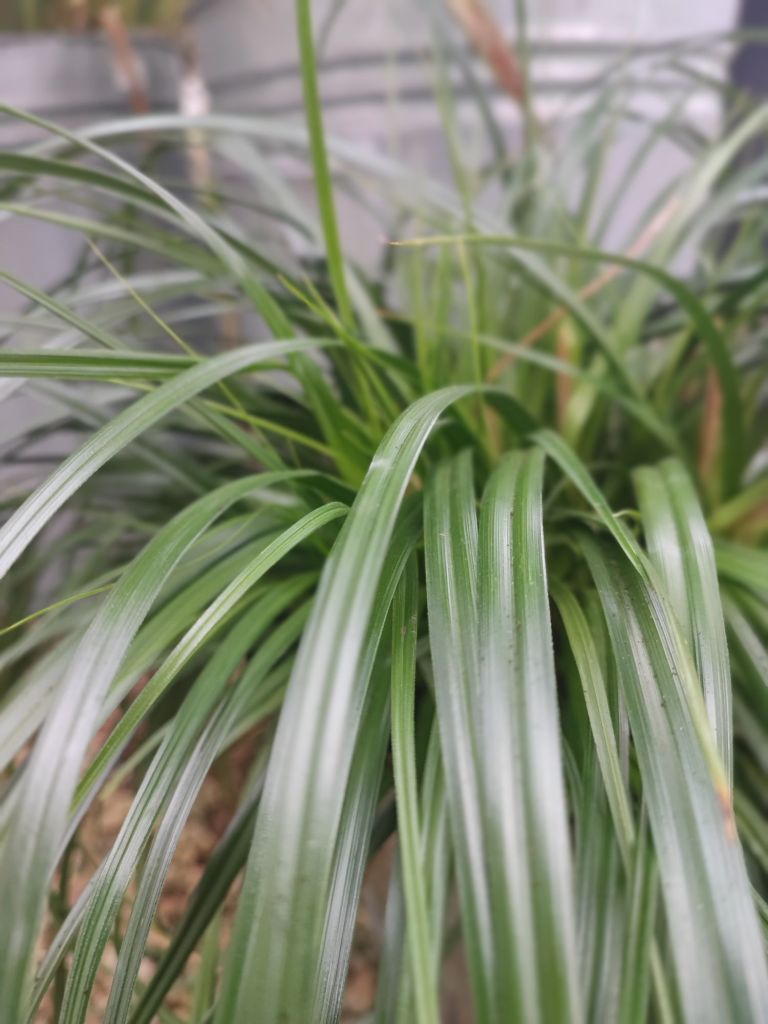
In the ever-evolving world of gardening trends, simplicity and style are two elements that never go out of fashion. One way to achieve this timeless appeal is by using a single plant as the centerpiece of a container display. Carex ‘Ribbon Falls’: For those desiring to add texture and movement to their container displays, Carex ‘Ribbon Falls’ is the answer. With its cascading foliage resembling ribbons gently swaying in the breeze, this carex brings a sense of grace and fluidity to any setting. Its narrow, arching leaves create a beautiful contrast against other plants, while its vibrant green color adds freshness and vitality. Planted as a single specimen, Carex ‘Ribbon Falls’ brings simplicity and elegance to any container. I decided to use this brilliant and tough ornamental grass, strictly speaking it is a sedge, when I noticed the leaves of a Heuchera drooping in a pot, yes, it had succumbed to the dastardly vine weevil. The Carex looks elegant yet informal, it is hardy and will do brilliantly in a shaded aspect. The fact that it requires minimal maintenance is a bonus.
Lomandra ‘White Sands’
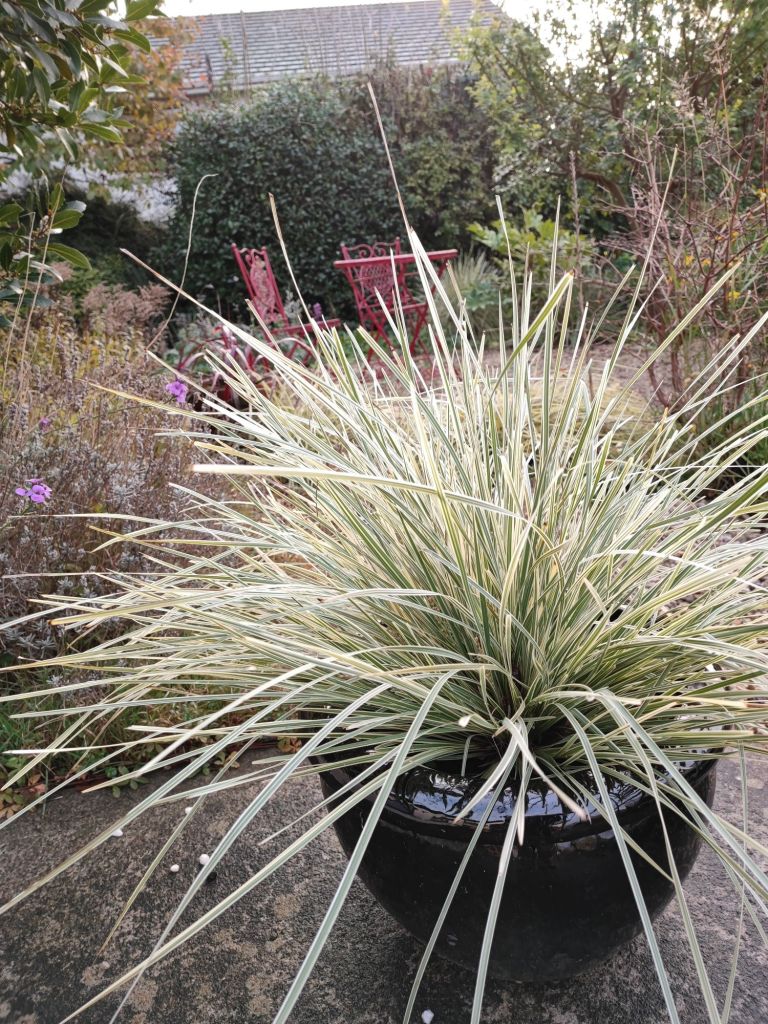
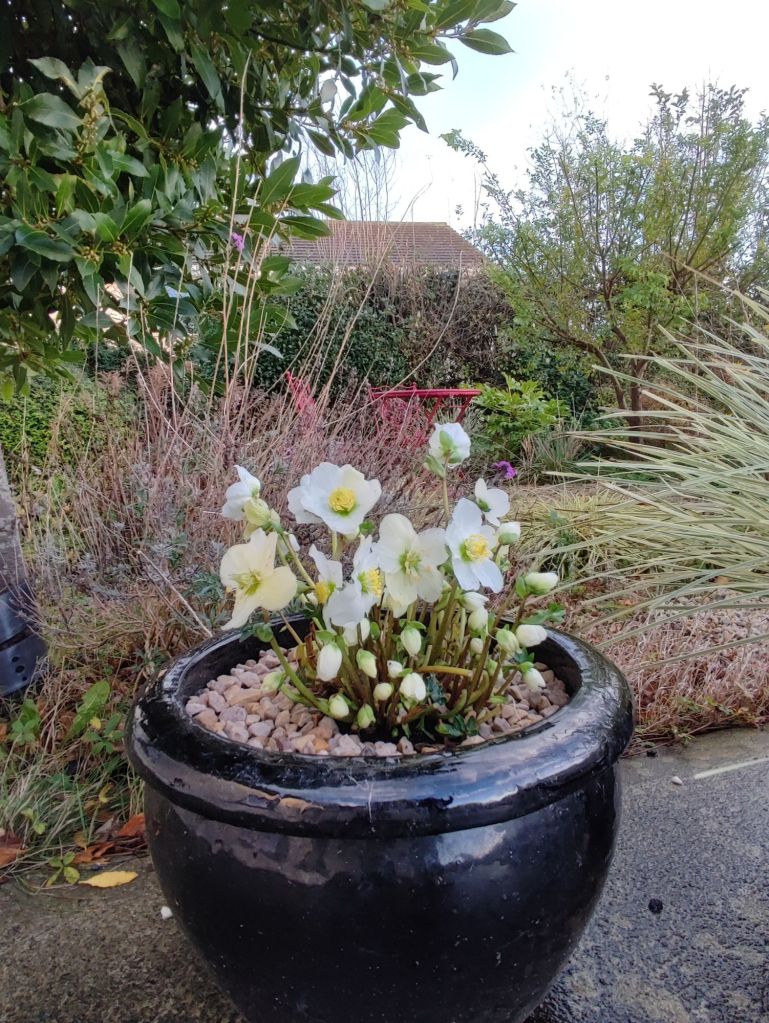
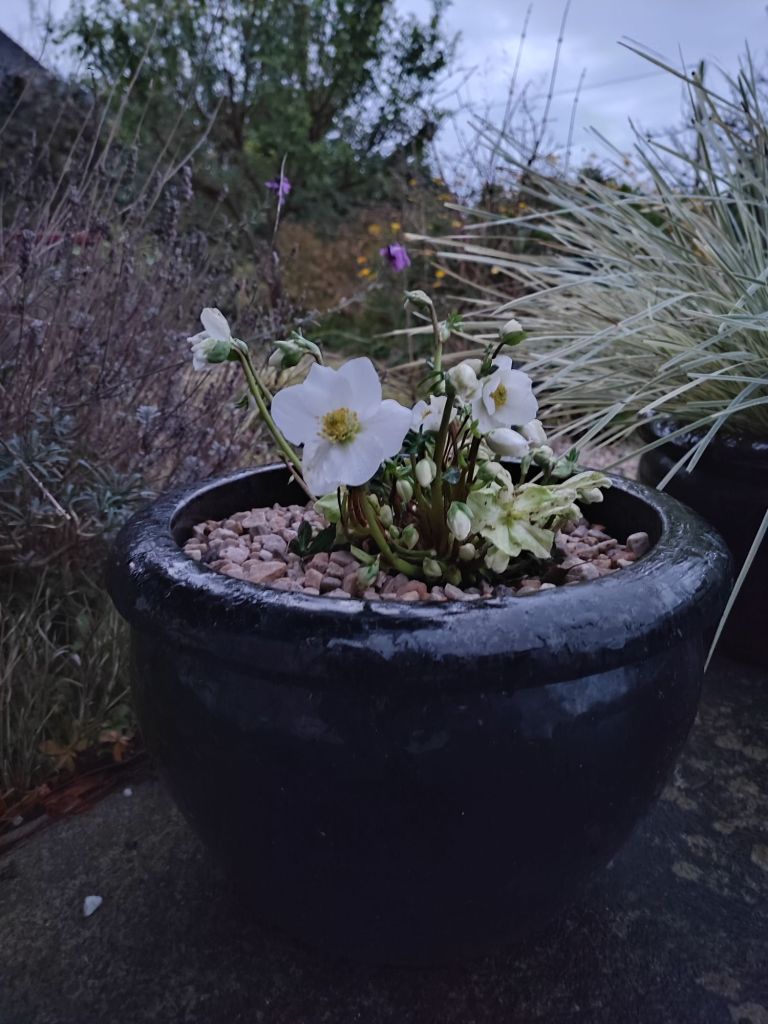
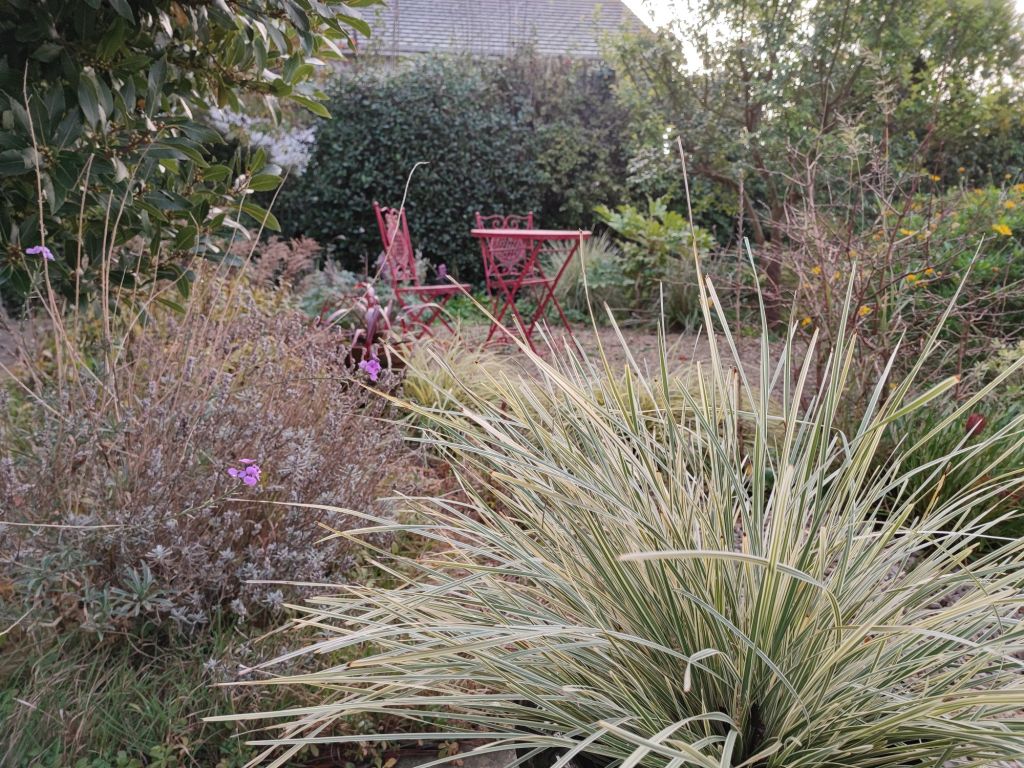
Another favourite of mine that is a solo star in a container is Lomandra ‘White Sands’. If you’re seeking a plant that combines both beauty and resilience, look no further than Lomandra ‘White Sands.’ With its lush, strappy leaves in stunning shades of green and white, this evergreen perennial is a versatile choice for container displays. Its compact size and architectural form make it an excellent option for minimalistic and contemporary designs. Planted as a solitary plant, it exudes sophistication, while its ability to tolerate a variety of growing conditions ensures it thrives with minimal maintenance. Over the last few Helleborus niger ‘Christmas Carol’ on it’s own in a black ceramic pot has been a winter star.
Helleborus niger ‘Christmas Carol’
Known for its winter charm and delicate blooms, Helleborus niger ‘Christmas Carol’ is a true showstopper. The crisp white flowers, tinged with hints of pink or green, grace its evergreen foliage, providing a stunning contrast. Planted as a single specimen in a container, this hellebore becomes the focal point of any space, adding sophistication and a touch of magic. Its long-lasting blooms make it an excellent choice for adding interest during the colder months.
When it comes to creating a simple yet stylish container display, sometimes, all it takes is just the one. The use of a single plant as the focal point allows it to shine, highlighting its unique characteristics and creating a sense of harmony and balance. Whether you opt for Helleborus niger ‘Christmas Carol,’ Carex ‘Ribbon Falls,’ or Lomandra ‘White Sands,’ the result is sure to be a stunning masterpiece. So embrace simplicity and style by incorporating a solo specimen in your next container planting, and watch as your space transforms into an oasis of elegance
Effective Treatment for Adult and Larva Stage Vine Weevils in Pot Cultivation and Gardens
Last weekend I got around to removing a tuber of Begonia bertinii from a pot, as you can see in the video below, the tuber is huge, I have grown it for three years. It was quite a struggle to remove it from the pot.
I like to remove the tuber from the compost, mainly because of the risk of vine weevils larvae attacking it and eating into the flesh of the tuber.
Luckily I got to it in time, as there were many larvae in the compost, but only a few holes in the tuber. I removed it and washed off all the compost, and I think that I got all the larvae, the larvae I left on the ground and the robin ate them!
The tuber
Vine weevils (Otiorhynchus sulcatus) are a common and persistent garden pest that can wreak havoc on pot cultivation and gardens. Both the adult weevils who feed on foliage during summer, and their voracious larvae that feed on the roots of a wide range of plants, causing significant damage. In this blog, we will discuss effective treatment methods for controlling both the adult and larva stage vine weevils in pot cultivation and gardens.
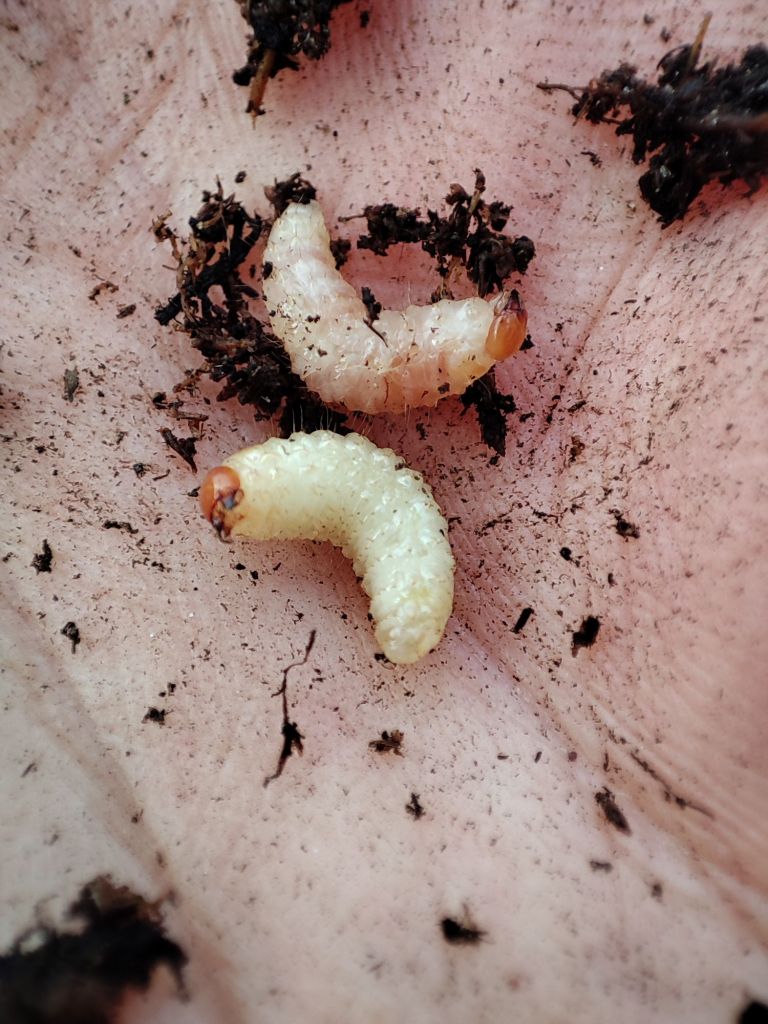
Vine weevil larvae
Identifying Vine Weevil Infestation: Before proceeding with any treatment, it is crucial to accurately identify vine weevil infestations. Adult vine weevils are nocturnal and are typically dark-colored beetles, about 8-15mm in length, with a distinct “snout” shape. The larvae are creamy-white, C-shaped grubs with brown heads, and are typically found near the roots of affected plants.
Prevention: Preventing vine weevil infestations should be the first line of defense. Some effective prevention measures include:
Inspect plants for adult weevils and larvae before purchasing or bringing them into your garden.
Avoid using infested compost or soil in pot cultivation.
Implement good garden hygiene practices, such as cleaning tools and pots after use to minimize the risk of infestation.
Biological Control: Biological control methods utilize natural enemies of vine weevils to manage their populations effectively. Nematodes (Heterorhabditis and Steinernema spp.) are microscopic roundworms that target vine weevil larvae. These nematodes are available as commercial products, such as Nemasys Vine Weevil Killer, and can be watered into the soil to target the larvae.
Chemical Control: In situations where the infestation is severe or other methods have failed, chemical control can be considered. It is essential to use products that are licensed for use in Ireland and the UK. Always follow the instructions and guidelines provided by the manufacturer. Some commonly used chemical treatments for adult and larva stage vine weevils include:
Spraying adult weevils with insecticides like BugClear Ultra Vine Weevil Killer or Provado Ultimate Bug Killer.
Applying systemic insecticides like Scotts Bug Clear Ultra Vine Weevil Killer to the soil for targeting larvae.
Organic/Natural Remedies: For those who prefer organic or natural remedies, there are options available. One such product is Nemasys Vine Weevil Killer, which utilizes nematodes as a biological control method. Additionally, sticky traps and physical removal of adult weevils can be effective, although these methods primarily help monitor and reduce the adult population rather than completely eradicating the infestation.
Integrated Pest Management (IPM): Incorporating an Integrated Pest Management approach can greatly enhance the effectiveness of your vine weevil control efforts. This approach combines various methods, such as prevention, biological control, and targeted chemical treatments, to achieve long-term management with minimal environmental impact.
Controlling vine weevil infestations in pot cultivation and gardens requires a multi-faceted approach. By combining preventive measures, biological control methods, and judicious use of licensed chemical treatments, garden enthusiasts can effectively manage adult and larva stage vine weevils. Remember to always consult the product labels and adhere to proper application techniques to maximize control and minimize environmental impact. A healthy and thriving garden is within your reach with targeted treatment strategies.
Adult Vine Weevil
Note: The information provided in this blog is based on general knowledge and products licensed for use in Ireland and the UK. Always refer to the product labels and guidelines for specific instructions and suitability for your situation.
As the calendar flips to another year and we prepare to embrace the wonders of 2023, let me begin by wishing each one of you a sprouting, blooming, and delightful Happy New Year! May it be a year where your gardens radiate vibrancy and your love for gardening proliferates to newer dimensions. With the break of the new dawn, we feel excited to bring before you a platter of unique content, gardening tips, and the sharing of our unending love for all things green.
The secret to a healthy garden lies in its diversity – the assortment of plants which infuse colors across the spectrum, and the sweet harmony of flora that can brighten any gloomy day. In all honesty, picking a favorite plant can be as taxing as picking a favorite child, and yet, as we dive into this New Year, I have taken up the challenge to showcase one of my favorite plants for each month of 2023, hoping to inspire and impart more knowledge to the beautiful community we have built together.
January
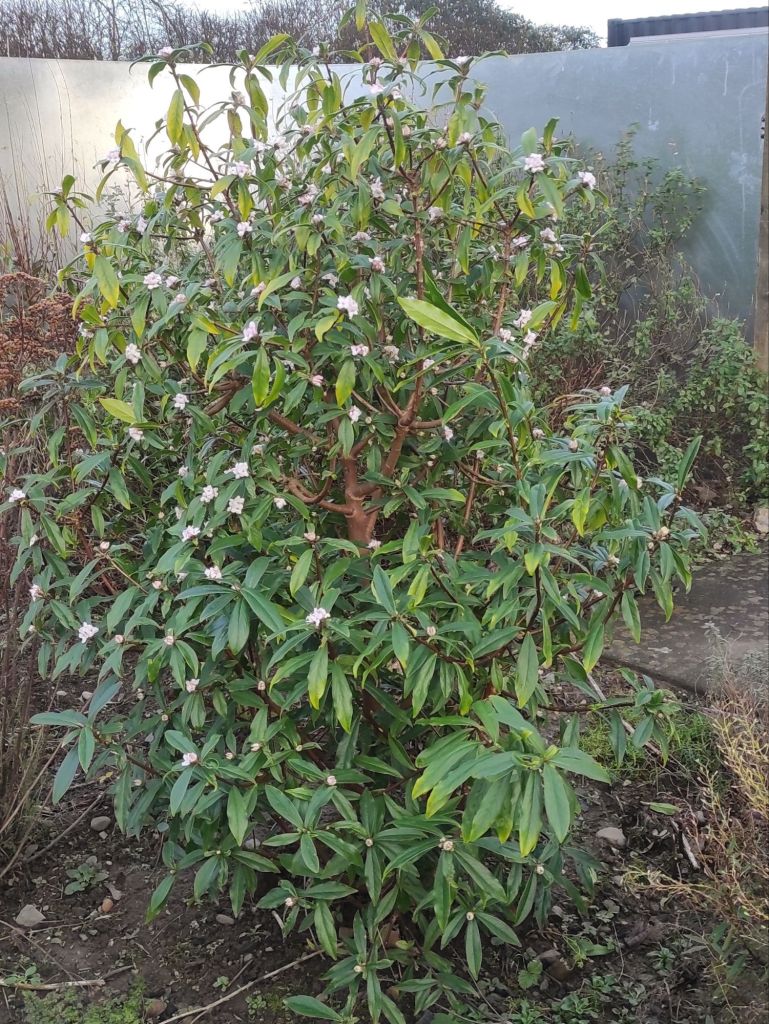
Daphne ‘Spring Herald’
January is dark, cold, wet, and there is usually a feeling of mild despair. The days have not lengthened enough to notice a brightening in the evening. Despite all this there are plants that will brighten our days and lighten our moods, snowdrops, witch hazel, hellebores and Daphne.
There are a number of excellent Daphne shrubs that will bloom with fragrant flowers in the depth of winter, and I love the pale pink, fading to white blooms of Daphne ‘Spring Herald’. An evergreen shrub that starts to bloom in December and continues until March, the scent on mild days is intoxicating.
February
As we notice a lengthening of the days, we are filled with positivity. Hamamelis is a genius that provides us with a great choice of flowering shrubs, many of which have sweet spicy fragrant blooms.
Hamamelis x intermedia ‘Aphrodite”
The variety I chose for our garden is Hamamelis x intermedia ‘Aphrodite’, I love the rich colour, the spicy scent, the plant has a more ascending habit than some others, and the foliage turns a nice golden yellow before falling in Autumn. The flowers start to open in January and last through February.
Hamamelis are lime tolerant, slow growing, and easy to look after.
March
Now the days are stretching as we hurtle towards the Spring equinox, and the garden is exploding into life, there are bulbs bursting out in bloom, shrubs starting to flower and the growth is breaking from the dark soil and reaching into the brighter days.
Erysimum ‘Winter Orchid’
A plant that has flowers on it in every month of the year is always welcome, Erysimum ‘Winter Orchid’ is one such flower, it is an everlasting wallflower, that is at its best in Spring. Covered in rich red flowers and scented too.
It lives a short glorious life, ours in The Fire Pit Garden, has got woody and leggy, a pruning last summer did not do enough to revive it’s bushy habit, so I will replace it this Spring as new plants come available from the nurseries.
April
As the Spring advances, there is so much to choose from, one of my favourite plants at any time of year is Euphorbia ‘Ascot Rainbow’.
Euphorbia ‘Ascot Rainbow’
In April the bright yellow flowers emerge hiding the colourful foliage that has been admired throughout the winter. After flowering has finished in mid-summer, I will cut away the flowered stems to the base to allow the new growth to re-emerge and give us that lovely round mounded shape of Variegated leaves for autumn and winter.
May
Allium giganteum and A. ‘Ostara’
It is getting harder to pick just one plant from the multitude of great plants that bloom in May, but last May for me, it was the Alliums. Allium giganteum is great, as are most of the Allium varieties, but I am going to pick A. ‘Ostara’, it is not too big, but big enough, and I love the dark colour of the burgundy blooms.
Alliums are more than just their colourful clooms, it is the impact they make with their shape, I plant different varieties amongst herbaceous plants, there repetition of their string shaped makes a brilliant display I May, the flowers lasting well into June, for the rest of the summer we are graced with their seedheads.
June
Delphinium Highlander ‘Sweet Sensation’
Delphiniums, I never thought that I would be such a convert to these outstanding plants, I have often admired them in other gardens, but thought that they were too much trouble: needing staking, being eaten by slugs. Then I tried out D. Highlander ‘Cha-Cha’ and loved it, so I planted a few more varieties from the Highlander Series. All are well performing plants, requiring no staking, or minimal, and untroubled by slugs. D. Highlander ‘Sweet Sensation’ was a favourite of mine this summer past, when the flowers finish in July, I cut them back and fed them so that a second flush of blooms were produced in late August and September.
July
Begonia bertinii
There was a time when I did not like Begonias, but this particular one started me down a path of Begonia worship. I originally planted this tuber in a pot in Spring 2021, now it is the size of a dinner plate and I can’t get it out of the pot! It is a super plant, I just love it, it grows big and flowers until first frosts. The colour is dazzling, and you can even eat the flower petals, they look nice in a summer salad. All begonia petals are edible and have a delicious sour flavour, a bit like sorrel.
August
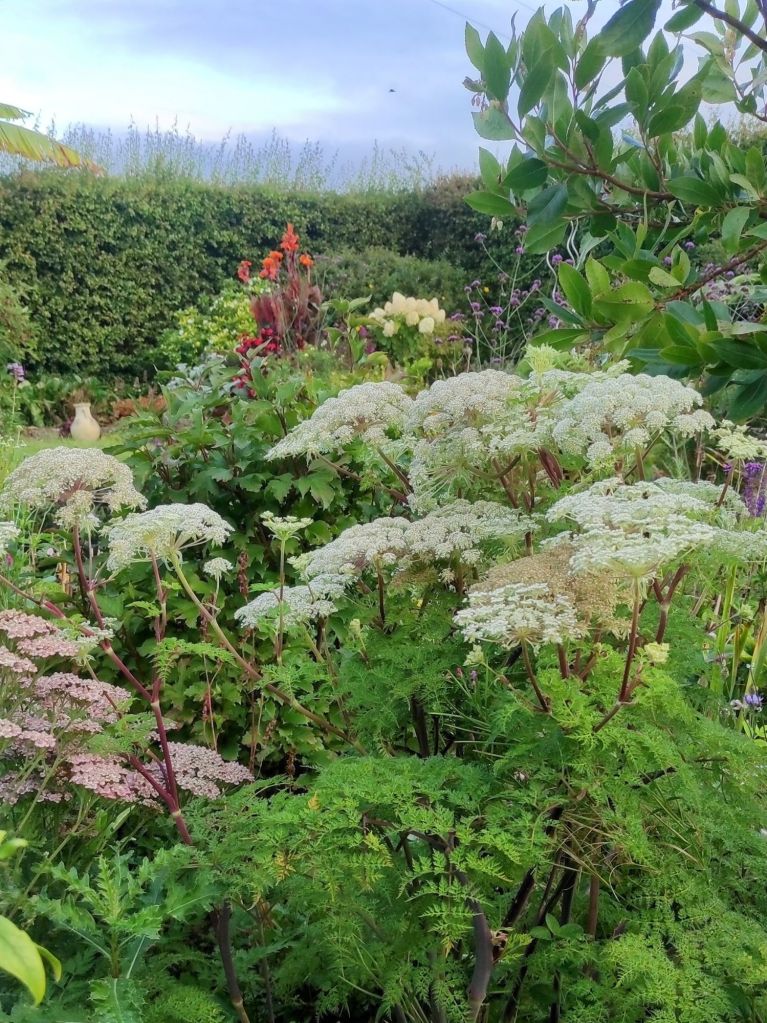
Selinum wallichianum
August is brimming with favourite plants, lots of big bright colours, flowers and bold foliage abound. Then in the middle of the month The Patio Garden is graced by the lacy white blooms of understated elegance of Selinum wallichianum. this cow parsley relative has a natural understated beauty, a calming presence that is beguiling.
September
As the days shorten, and students return to school, we are often treated to some nice weather, and after this past wet summer we had our fingers crossed. We got a few days of heat but otherwise it was much of the same wet weather as the previous months. September sees a cooling off, and the garden enters an autumnal phase.
My favourite pick from this September past is Actaea simplex ‘Brunette’, the tall white stems of fuzzy white flowers are deliciously scented, they stand 1.8 tall and require no staking. This was the first year they reached their true potential having disappointed the previous couple of years. Their dark foliage is something to admire through the summer as we wait for the September show.
October
Nipponanthemum nipponicum
For those who have been following me.on my social channels, you know that I love the Nippon Daisy (Montauk Daisy) or Nipponanthemum nipponicum. Just when you think the garden is nodding off into a winter slumber along comes the Nippon Daisy and BOOM!!! These big dome shaped mounds of fresh green leaves burst into bloom with their great big white daisy-like blooms. They are amazing.
November
Miscanthus ‘Serengetti’
The first touch of frost and the garden is taking on autumnal tints and murky moods. The grasses come to the fore and this Miscanthus ‘Serengetti’ charmed.me with it’s red flowers and soft textural charm. This new hybrid stands apart from othe Miscanthus
in that the foliage is mostly evergreen.
December
Correa ‘Marion’s Marvel’
I have a couple of species of Correa growing in the garden, all are doing well. I value them for their long flowering season, September to May, providing blooms from autumn non-stop through the winter until late spring. C. ‘Marion’s Marvel’ is my favourite, it is a shrub of goog vigour, every and quite upright in growth and graced with the bell shaped flowers of soft yellow and warm pink.
January – December
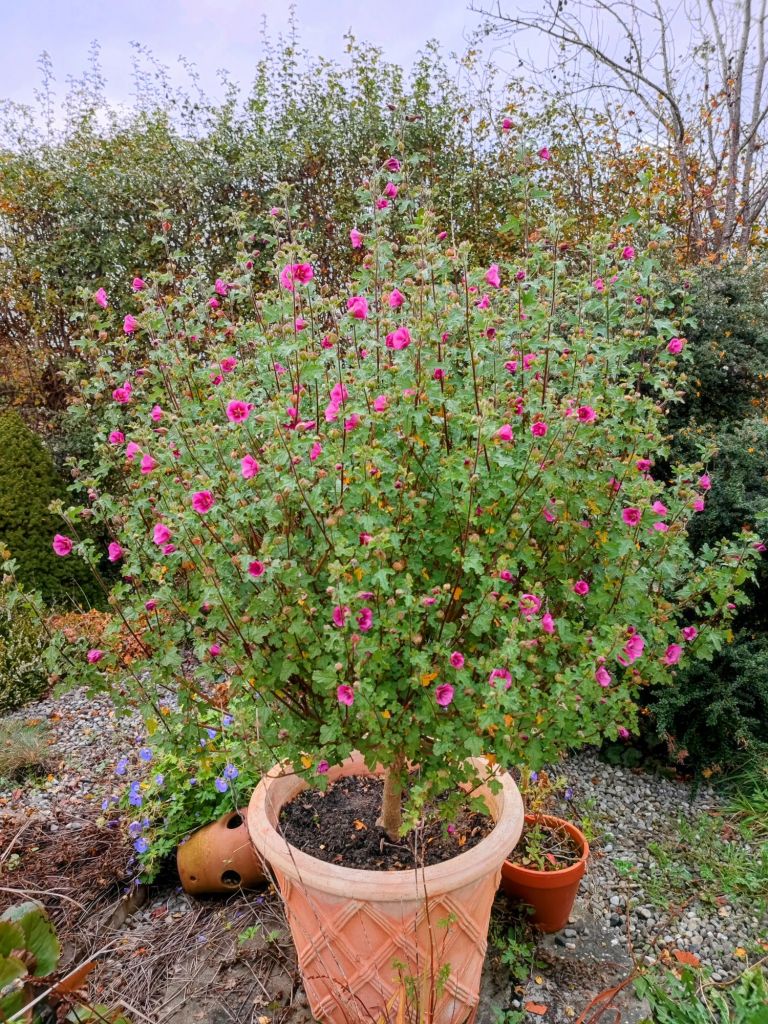
Anisondontea capensis
A shrub for all seasons, Anisondontea capensis is rarely without some flower. At any time during the year it has the pink cup shaped flowers. A strong grower, evergreen foliage and perfectly happy on a big pot. This plant could be a favourite any month of the year.

























 Ciaran The Gardener