Delving into the Details of Crambe maritima: A Unique Addition to Your Garden

Sea Kale
Hello gardeners, I’m thrilled to bring another engaging plant highlight from the garden here at The Paddock. Today, we’re diving into the fascinating details of the Crambe maritima, commonly known as Sea Kale. Not only does this little-known plant exude charm and quirkiness, but it also packs a punch when it comes to resilience and adaptability, making it a perfect component in many garden landscapes.
Plant Profile: Crambe maritima (Sea Kale)
Hardiness: Rated for RHS (Royal Horticultural Society) hardiness zones H7—meaning it can withstand temperatures as low as -20°C (-4°F)— Sea Kale is a robust vegetable that can handle fairly harsh winter climates.
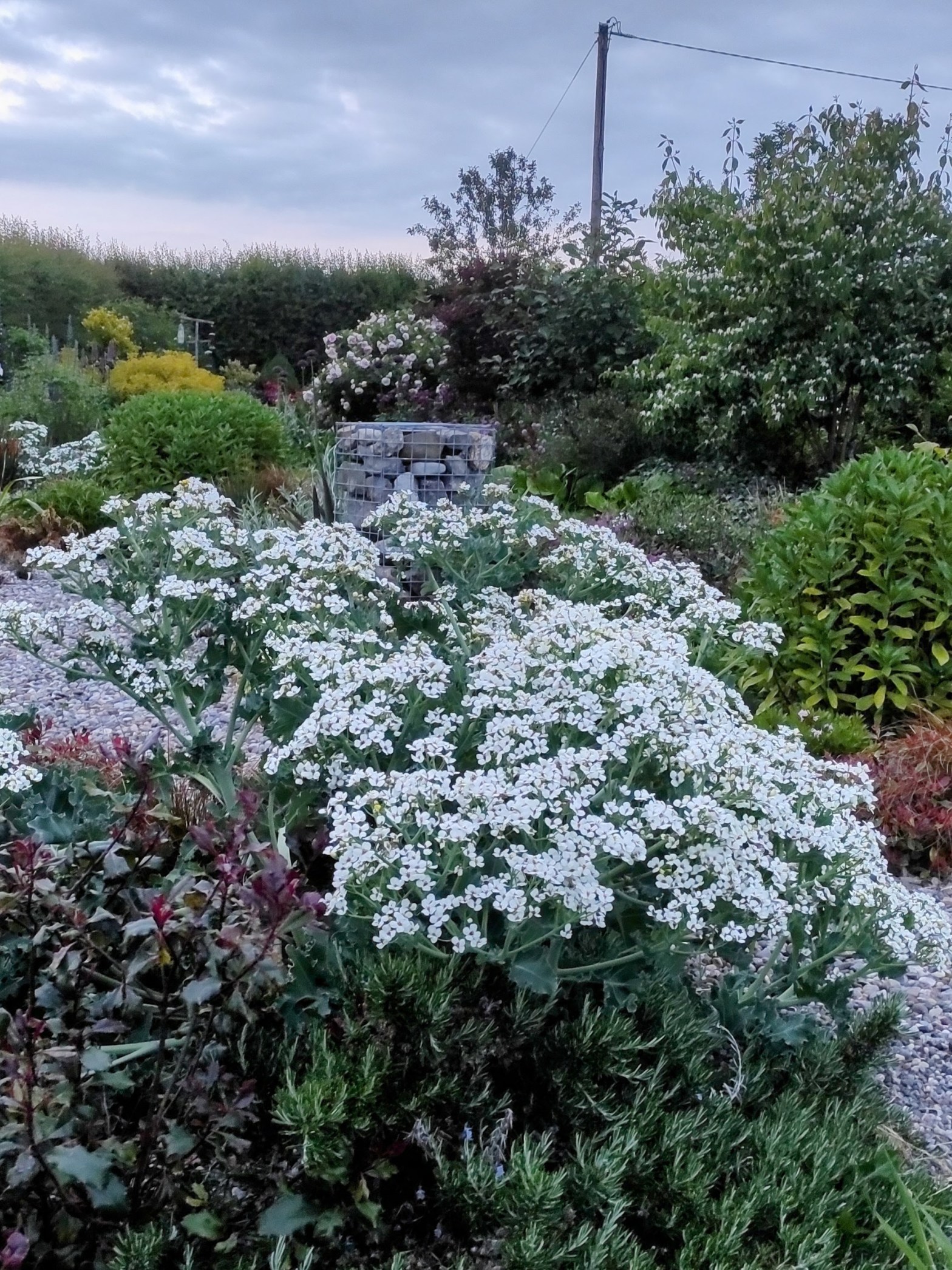
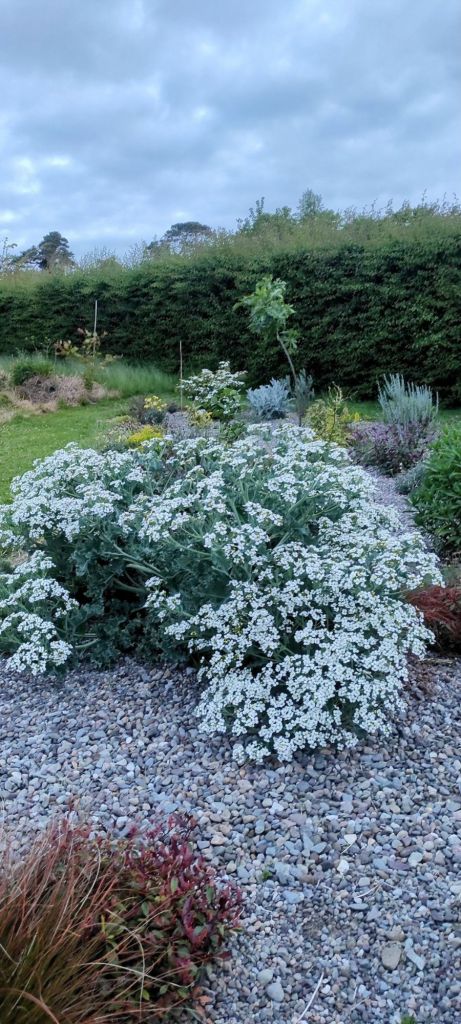
Size: On maturity, Sea Kale typically reaches a height of about 75cm (approx. 30 inches) with a similar spread, or more . A well-grown plant makes an impressive spectacle with its hefty flower stems rising above the broad, wavy-edged leaves, the flowers are also sweetly scented.
Blooming Season: The plant flower spikes shoot up around May and June a standing high above the foliage and covered in an array of honey-scented, white blossoms, adding an ethereal charm to your garden.
In June, it was the standout plant in The Pylon Garden.
Edible: the new shoots are edible, traditionally in coastal areas where it grows naturally, people would mound stone around the emerging shoots to exclude light, forcing the stems to elongated and remain tender. The flower buds can also be eaten and taste very similar to broccoli.
Growth & Maintenance Tips
Sea Kale, although it can be robust and hardy, still requires a touch of tender care to ensure its optimal growth. Below are some tips to help you on your Sea Kale nurturing journey:
1. Soil Conditions: This plant prefers a well-drained, sandy, or loamy soil with a slightly alkaline pH for optimal growth. Consider testing your soil’s pH balance and amend it accordingly to suit the plant’s needs.
2. Watering: Sea Kale can be somewhat drought-tolerant once established. Still, it’s important during the plant’s formative years to maintain consistent watering, being careful not to overwater and risk root rot.
3. Fertilizing: To assist with robust growth, apply a slow-release, balanced fertilizer in the early spring. This will provide your Sea Kale with all the essential nutrients it needs to bloom.
4. Pruning: It’s good practice to cut back flower stems after blooming to prevent self-seeding, unless you wish for it to proliferate. Additionally, remove any dead, diseased, or broken leaves to maintain overall plant health. See the video below👇
5. Wintering: Sea Kale is known for its hardiness, it will over winter easily in Irish gardens
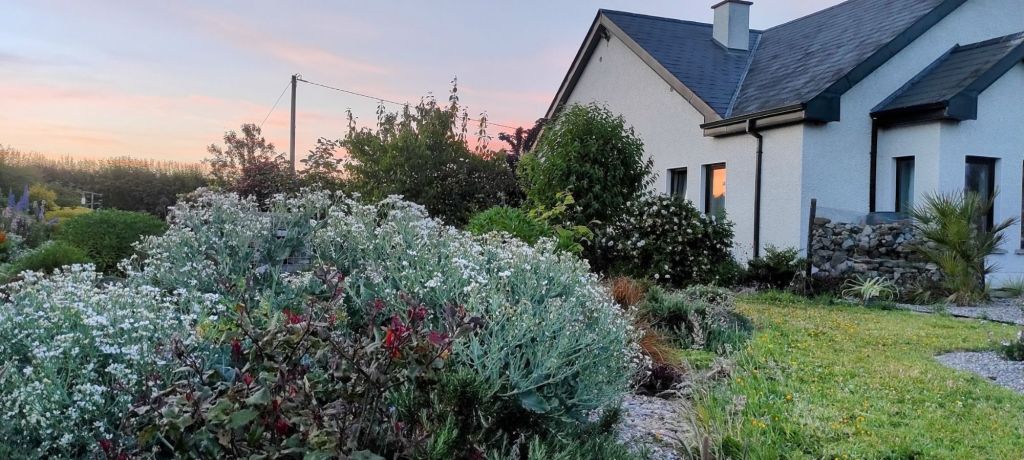
With these exciting details at heart, it’s time to take action and bring this unique, charming vegetable to your garden!
Stay connected with us for more handy tips, plant profiles, and the joy of gardening. If you have any queries or gardening anecdotes to share, don’t think twice—I’m here to learn and assist, taking the richness of the garden escapade to new heights.
Happy Gardening!
Ciaran















 Ciaran The Gardener