Using Plants With Similar Shapes

Using Plants With Similar Shapes

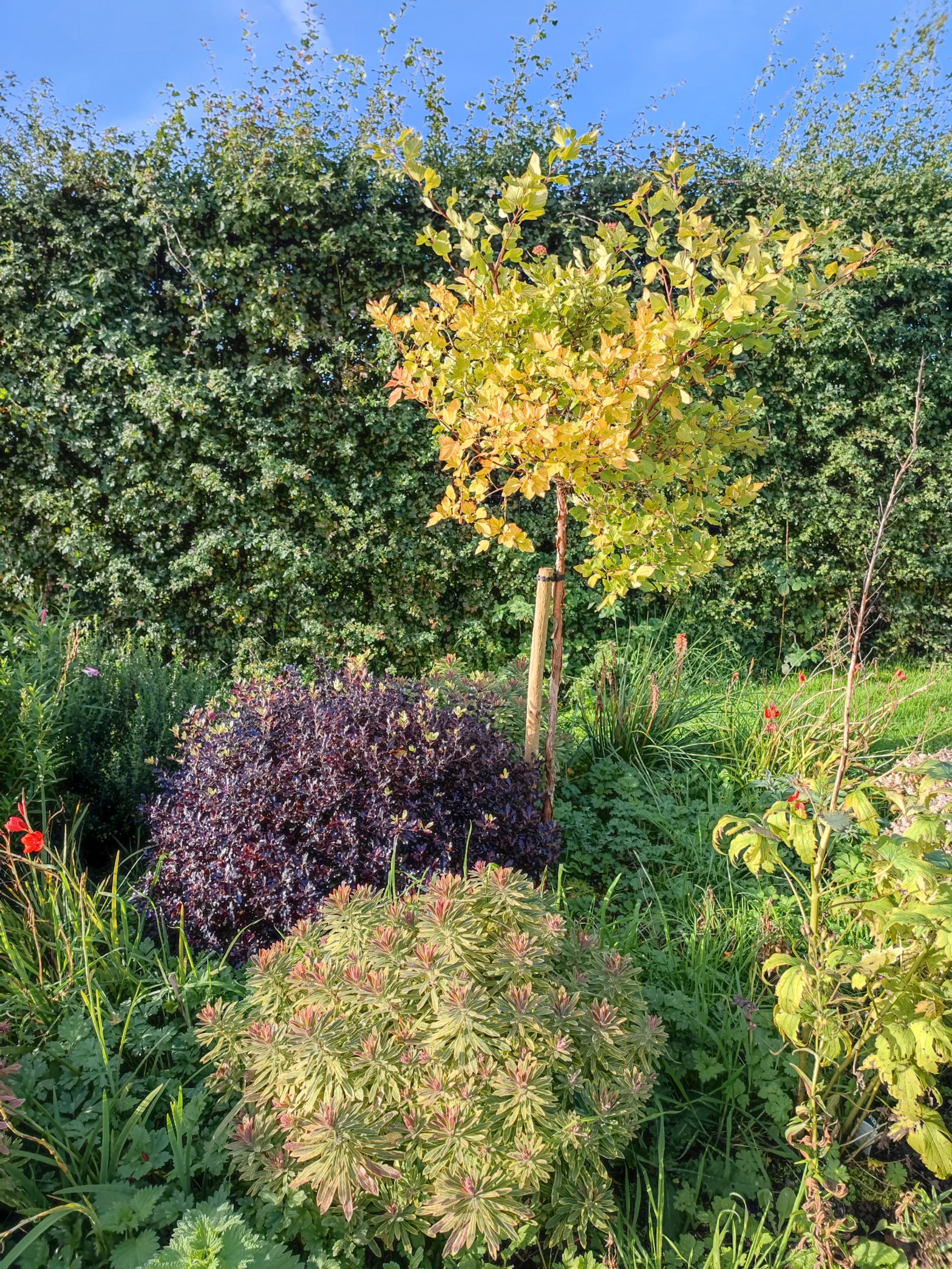
When it comes to designing a captivating garden, creating unity and harmony is vital. One effective method to achieve this is by incorporating plants with similar shapes. By selecting plants that share common characteristics, such as the shrub Pittosporum tenuifolium ‘Tom Thumb’ and Physocarpus opulifolia ‘Dart’s Gold’, along with plants like Euphorbia ‘Ascot Rainbow’ and Pittosporum tenuifolium ‘Bannow Bay,’ you can create a visually appealing landscape that captures the eye and instills a sense of tranquility. Here, I will discuss the unique qualities of these plants and discuss how their use can enhance unity and harmony in your garden design.

Pittosporum tenuifolium ‘Tom Thumb’
Pittosporum tenuifolium ‘Tom Thumb’ is a dwarf shrub with striking dark purple foliage that forms a compact mound. Its small size and distinctive shape can be utilized to create a cohesive look in your garden design. Consider placing ‘Tom Thumb’ in groups or as borders to provide a consistent, well-defined element throughout your landscape.

Euphorbia ‘Ascot Rainbow’
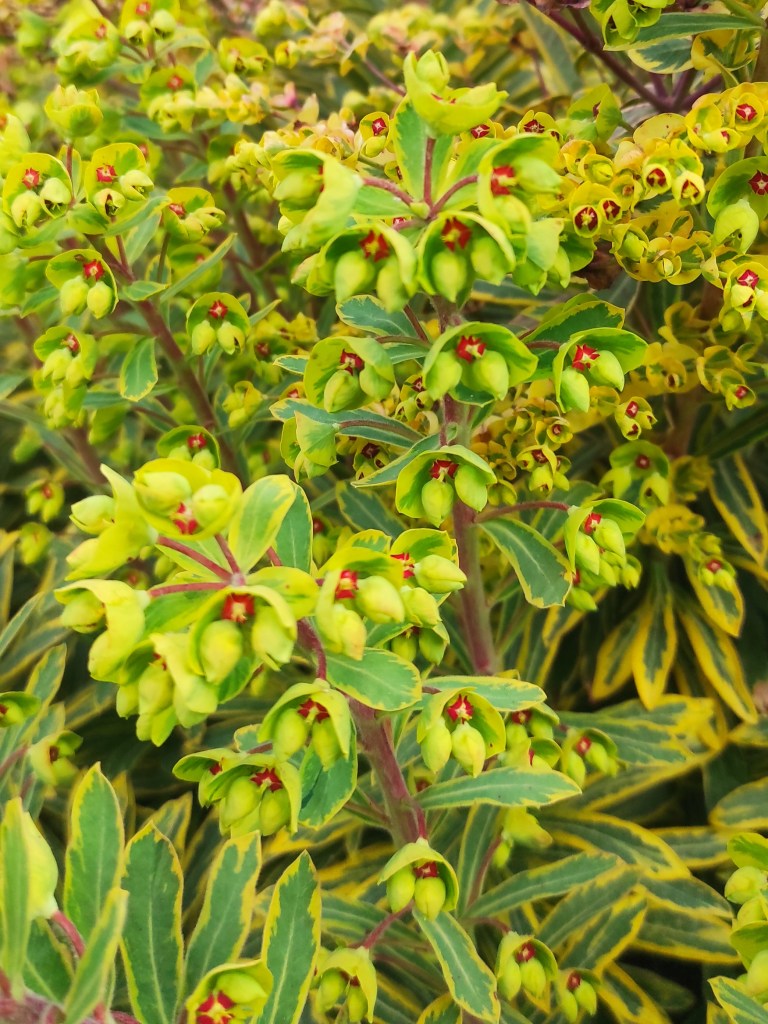
Euphorbia ‘Ascot Rainbow’ is a colorful perennial that adds texture and interest to any garden. With its variegated leaves in shades of green, cream, and pink, it provides a soothing and harmonious visual experience. Using Euphorbia ‘Ascot Rainbow’ as a repetitive feature can help tie together different areas of your garden design, giving it a cohesive and balanced appearance.


Physocarpus opulifolia ‘Dart’s Gold’ trained as a small tree
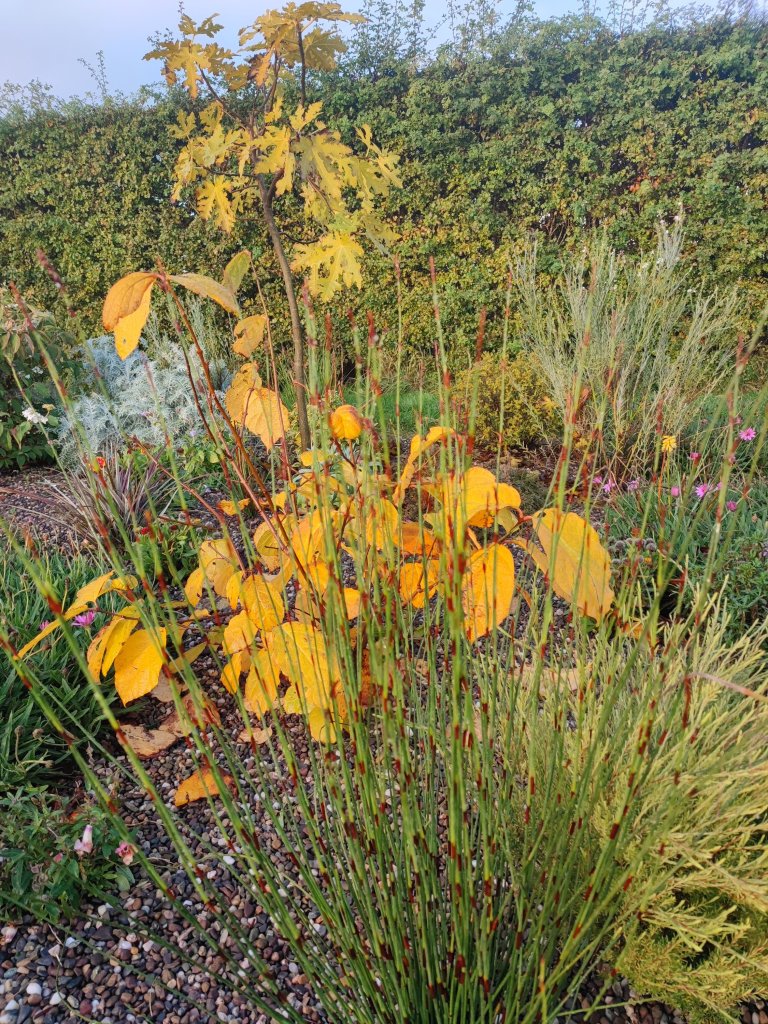
Take your garden to new heights by training Physocarpus opulifolia ‘Dart’s Gold’ as a small tree. This cultivar boasts vibrant golden-yellow foliage and an appealing rounded shape. The use of this plant as a feature tree or focal point in your garden design adds vertical interest and creates a unified structure. Combining the height and distinctive shape of ‘Dart’s Gold’ with the other plants in this list will create a harmonious balance between different layers in your landscape. In the same border I also have a standard trained Hydrangea paniculate ‘Limelight’ that continues the same visual theme.

Pittosporum tenuifolium ‘Bannow Bay’
With its graceful weeping habit and eye-catching deep green foliage, Pittosporum tenuifolium ‘Bannow Bay’ brings an elegant touch to any garden design. This evergreen shrub can be used as a backdrop or a unifying element in your landscape, tying together areas and providing a sense of continuity. The flowing shape and deep green color of ‘Bannow Bay’ will complement the other plants with similar shapes, creating a cohesive and visually stunning garden display.
I think something to be aware of is the tendency to just repeat the same plant: instead sometimes use a similar but different plant, it can add a visual energy and add extra interest to the planting scheme.


Using plants with similar shapes can greatly enhance unity and harmony in your garden design. By carefully selecting and combining plants like Pittosporum tenuifolium ‘Tom Thumb,’ Euphorbia ‘Ascot Rainbow,’ Physocarpus opulifolia ‘Dart’s Gold’ trained as a small tree, and Pittosporum tenuifolium ‘Bannow Bay,’ you can create a garden that exudes tranquility and visual appeal. Whether you choose to group similar plants together or use them as focal points, these plants will work together to create a unified landscape filled with cohesive shapes and forms. Embrace the beauty of nature’s variety while achieving a harmonious balance in your garden design.

The Venus Fly-Trap | The Ray D’Arcy Show – RTÉ Radio 1

Here the link to hear my piece on the radio last Thursday talking about Venus Fly Traps

https://www.rte.ie/radio/radio1/clips/22319489/

.

Red, White, and Chocolate

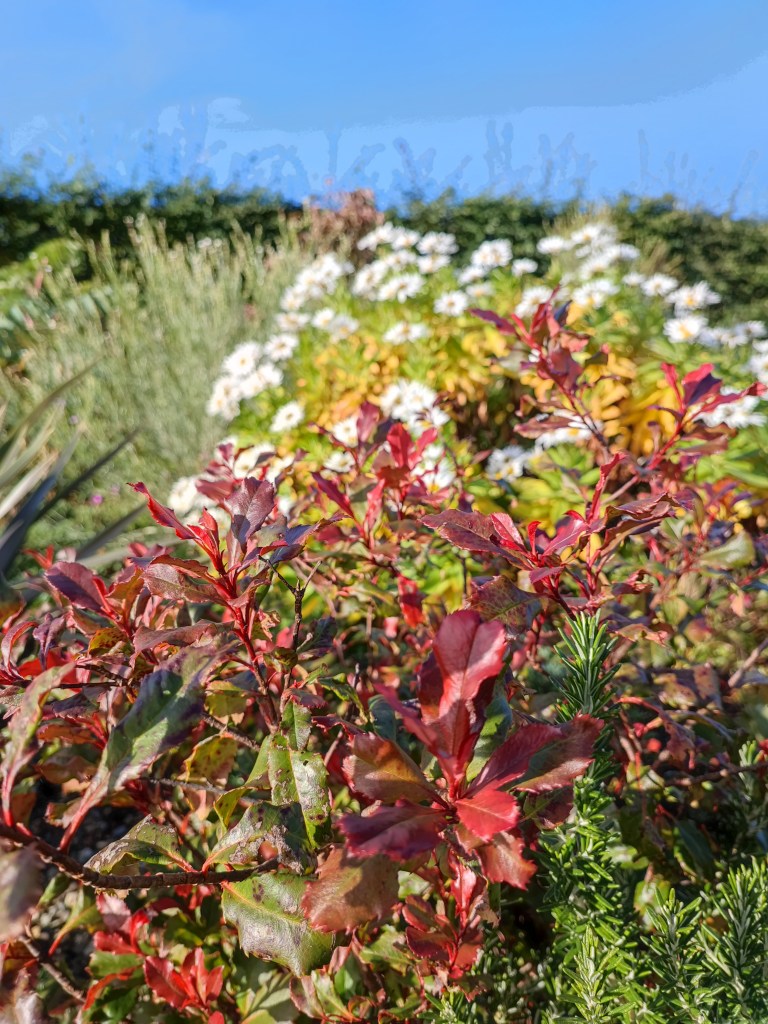
Nature has blessed us with an incredible diversity of plant species. When it comes to enhancing the beauty of our surroundings, few things can rival the charm and elegance of carefully chosen plants. Let me tell you about these three captivating plant varieties: Nipponanthemum nipponicum, Photonia X fraseri ‘Corallina,’ and Phormium ‘Chocomint.’

Red


If you seek an evergreen shrub that adds a splash of vibrant color all year round, the Photonia X fraseri ‘Corallina’ is an excellent choice. This variety is known for its glossy, dark green leaves, which are complemented by brilliant shades of red on the new growth, it is more compact and lower growing that the better known P. ‘Red Robin’. P. ‘Corallina’ is an incredible landscape plant, providing an eye-catching focal point or a stunning foliage backdrop. Its adaptability to sun or partial shade and its tolerance of various soil types make it a versatile addition to any garden.


White


Nipponanthemum nipponicum, also known as the Nippon Daisy or Montauk Daisy, is a stunning perennial plant native to Japan. With its bright white, daisy-like flowers and glossy, dark green foliage, this plant adds a touch of elegance to any garden. One of its most remarkable features is its late-season bloom, providing a burst of color when most other plants have faded. The Nippon Daisy thrives in full sun and well-drained soil, making it an excellent choice for landscaping or as a border plant. Its ability to attract butterflies and bees adds an extra ecological benefit to your garden. I have 3 plants, their domed growth habit adds strong form to the area throughout the summer and helps bring three different areas together visually, using forms to help harmonise the planting schemes.

My Tip!


I prune the plants quite hard in Spring, this encourages new growth to develop from the base, helping to maintain their neat leafy dome shape.

Chocolate


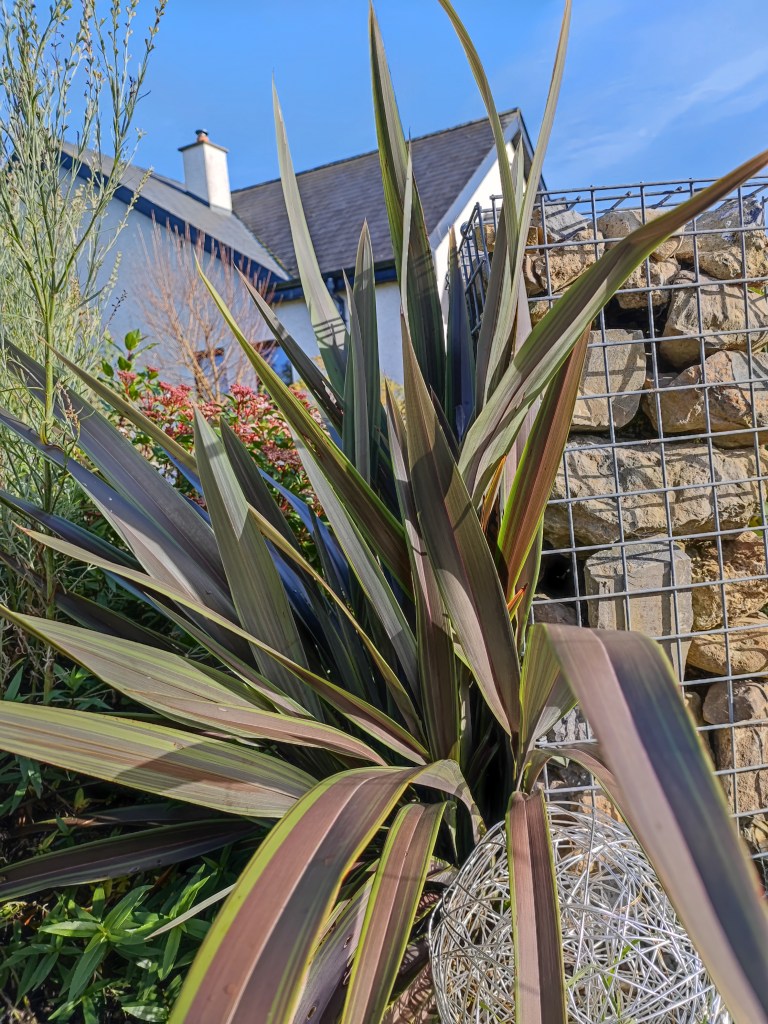
Phormium ‘Chocomint,’ a New Zealand flax cultivar, stands out for its bold and dramatic appearance. Its striking upright growth, accompanied by broad leaves showcasing shades of chocolate brown and green, creates a visually captivating display in any landscape. The ‘Chocomint’ variety grows well in moist, well-drained soil and prefers full sun to partial shade. This evergreen perennial is perfect for adding structure to flower beds or as an architectural accent.


I have a number of the planted in The Pylon Garden, their linear and robust leaves add structure and form to planting scheme all year round.


Including Nipponanthemum nipponicum, Photonia X fraseri ‘Corallina,’ and Phormium ‘Chocomint’ in your garden will undoubtedly elevate its beauty and allure. These plants not only enhance the visual appeal of your landscape but also offer easy maintenance and distinctive characteristics that make your garden stand out. Whether you are aiming for a traditional garden, a modern landscape, or something in between, these plants provide endless possibilities to explore. So, as you embark on your gardening journey, consider incorporating these remarkable plant varieties to create a haven of natural beauty right at your doorstep.

Gold At The End Of A Rainbow

Carex ‘Everillo’ and Euphorbia ‘Ascot Rainbow’

A Golden Planting Scheme with Euphorbia ‘Ascot Rainbow’ and Carex oshimensis ‘Everillo

In gardening, creating a captivating planting scheme requires careful consideration of various elements. One essential aspect is the foliage of the plants. Today, I want to shine a spotlight on two extraordinary plants: Euphorbia ‘Ascot Rainbow’ and Carex oshimensis ‘Everillo’. These plants not only possess stunning foliage on their own but also complement each other perfectly when planted side by side.

A rainbow of foliage colour

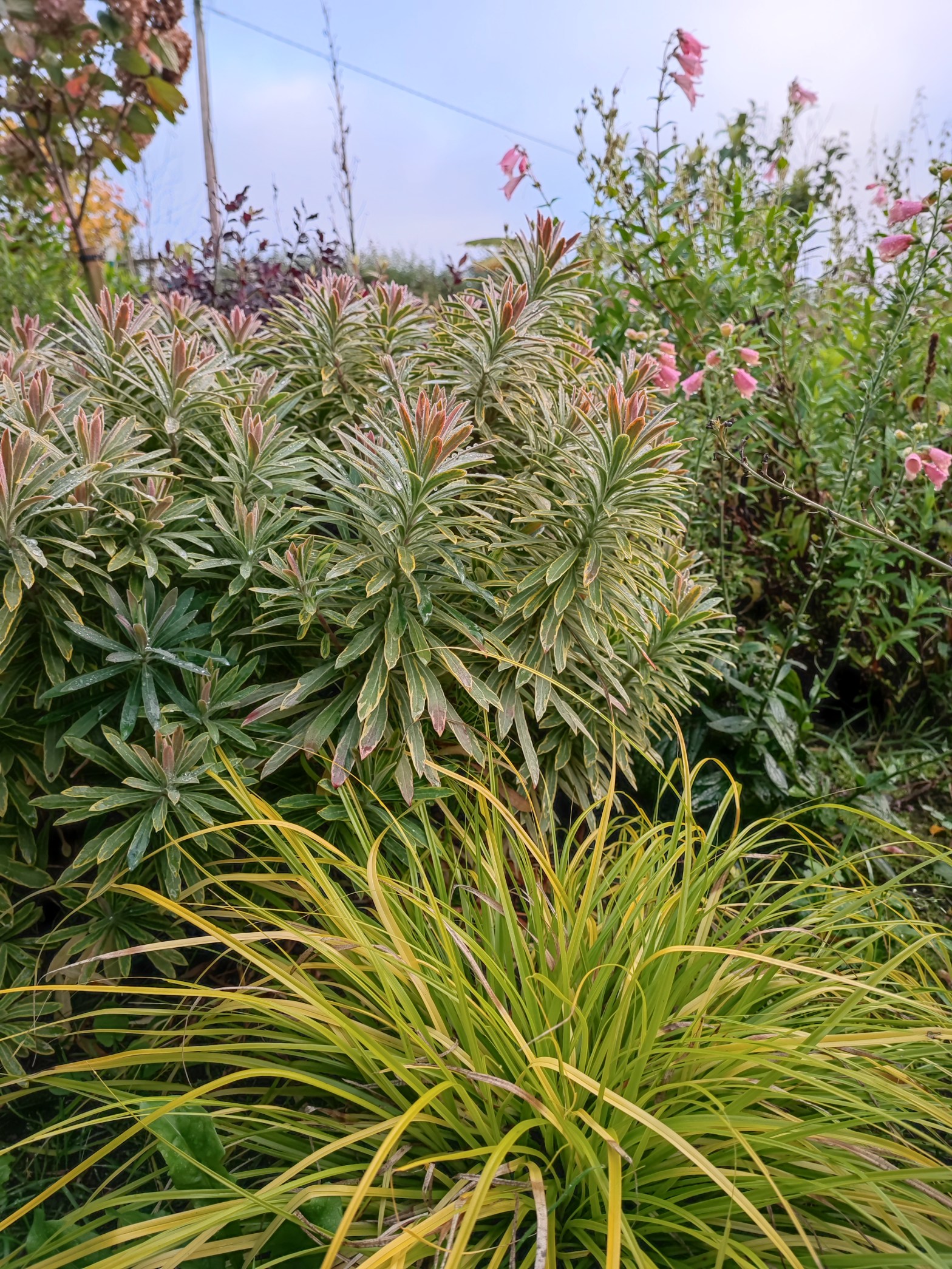
Euphorbia ‘Ascot Rainbow’ truly lives up to its name. With its variegated leaves boasting an array of colors, including vibrant greens, yellow-golds, and hints of deep red, this euphorbia adds a burst of brightness to any garden. Its upright habit and compact size make it a versatile choice for both pots and borders. Moreover, it’s a low maintenance plant that thrives in both sun and partial shade. I love it! I have a number of them planted in the garden, their repeated shape and foliage gives structure to the planting scheme all through the year.

The mass of golden flowers produced in Spring are a bonus, they last for months and I have often seen the plants buzzing with honey bees.

A golden sedge


Beside the Euphorbia stands its perfect counterpart, Carex oshimensis ‘Everillo’. This vibrant grass-like perennial features narrow, arching lime-green leaves that transition to a striking golden hue as they mature. With its cascading growth habit, it adds a captivating visual texture, creating a perfect contrast to the more upright and compact Euphorbia ‘Ascot Rainbow’.

Great partnership


When planted side by side, Euphorbia ‘Ascot Rainbow’ and Carex oshimensis ‘Everillo’ create a harmonious combination that is a sight to behold. The juxtaposition of their vibrant gold tones against the Euphorbia’s multi-colored palette makes for a truly eye-catching display. They enhance each other’s beauty and create a dynamic focal point in any garden or landscape.

Resilience and adaptability


Aside from their striking appearance, both plants are also known for their resilience and adaptability. Euphorbia ‘Ascot Rainbow’ is drought-tolerant, while Carex oshimensis ‘Everillo’ thrives in both sun and shade. This makes them a perfect duo that can withstand various growing conditions and provide consistent beauty throughout the seasons.

The complementary foliage of Euphorbia ‘Ascot Rainbow’ and Carex oshimensis ‘Everillo’ highlights the importance of incorporating diverse textures and colors into a planting scheme. The combination of upright and cascading growth habits, as well as the multi-colored and golden foliage, adds depth and interest to any garden. It also provides an opportunity for creative experimentation with different plant pairings and arrangements.

Both these plants will also work well in containers and raised beds, they look great all year.

Whether you are a seasoned gardener or just starting on your green journey, these two plants are sure to captivate your attention and elevate your planting scheme to new heights. By planting Euphorbia ‘Ascot Rainbow’ and Carex oshimensis ‘Everillo’ together, you’ll create a dazzling display of gold, enhancing the beauty of your garden while adding a touch of magic comparable to finding gold at the end of a rainbow.

Euphorbia ‘Ascot Rainbow’

Size: Reaches a height of 30-40 cm (12-16 inches) and spreads about 30-45 cm (12-18 inches).

Growth Type: Compact, mound-forming perennial.

Soil Type: Well-draining soil with average fertility.


Hardiness: Hardy in USDA zones 5-8 (temperatures as low as -15°C or 5°F).

Foliage: Variegated leaves with shades of green, cream, and pink.

Flowers: Small, bright colourful bracts surround inconspicuous flowers in spring and early summer. Loved by honey bees!

Drought Tolerance: Moderately drought-tolerant once established.

Aspect: Full sun to partial shade.


Carex oshimensisEverillo


Size: Grows up to 30-40 cm (12-16 inches) in height and spread.


Growth Type: Clump-forming perennial grass with arching, golden-yellow foliage.


Soil Type: Prefers moist, well-draining soil but tolerates a range of soil conditions.


Hardiness: Hardy in USDA zones 5-9 (temperatures as low as -23°C or -10°F).


Foliage: Bright, golden-yellow leaves that provide year-round interest.


Flowers: Insignificant brown flowers on tall spikes in late spring to early summer.

Aspect : Full sun to part shade.

Uses: Great as a groundcover, edging, or container plant, providing vibrant color contrast.

Carex oshimensis ‘Everillo’
The border in mid July

Plant Care Tip

Pruning Euphorbia ‘Ascot Rainbow’: in summer when the main flowering has finished, cut out all the stems that have flowered. This will leave the plant a bit bare for a few weeks, but it will quickly regro shoots from the base to recreate the nica rounded shape.

!!! Wear gloves and long sleeves, keep your skin covered while handling the plant. Euphorbia have a white sap that can cause skin irritation and even blisters during sunny weather. I have never suffered from any ill effects, just don’t get the sap on your skin, and don’t rub your eyes!

Strawberry Tree – some nice varieties

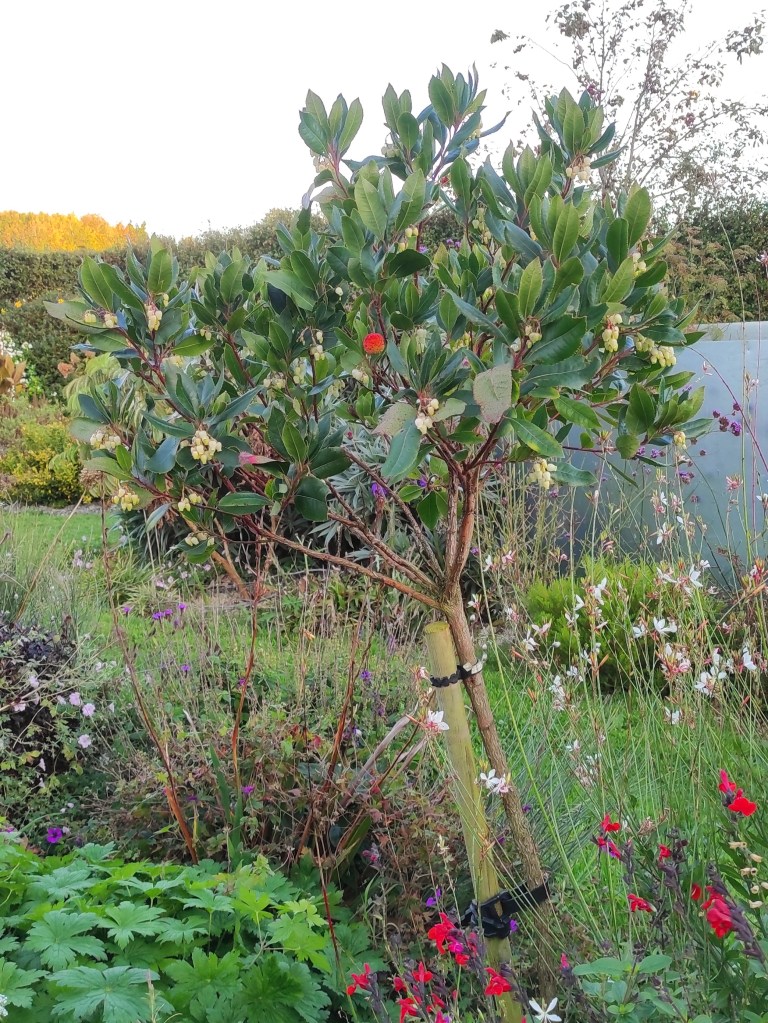
Flowers on the plant in The Patio Garden @ The Paddock.

Arbutus unedo: A Delightful Plant with Vibrant Blooms and Decorative Fruits

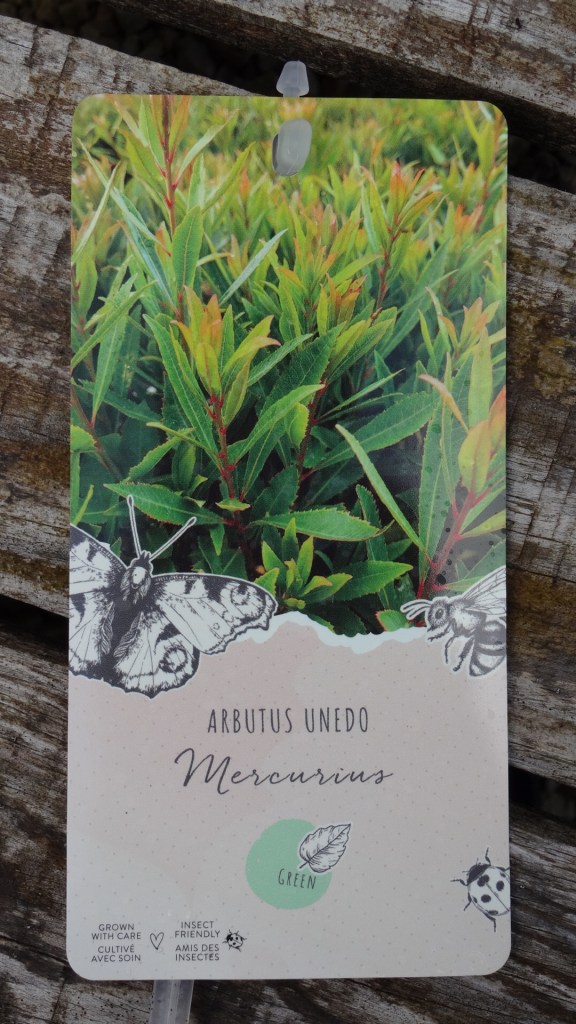
Arbutus unedo, commonly known as the Strawberry Tree, is a fascinating plant that offers much more than its quirky name suggests. With beautiful flowers, delectable fruits, and several captivating variants, this evergreen plant has established itself as a welcomed addition to gardens around the world. In recent years a number of variants have become available, the most recent that I have come across is the compact low growing shrub A. Unedo’ ‘Mercurius’.

Arbutus unedo Characteristics

Our plant was grown from seed and trained on a stem.


Arbutus unedo is a small to medium-sized tree or shrub that belongs to the Ericaceae family. It originates from the Mediterranean region, and Co. Kerry in the south west of Ireland, but has gained popularity worldwide due to its hardiness and appealing features. One of its standout characteristics is its evergreen foliage. Its leathery, dark green leaves create a lush backdrop throughout the year, ensuring a visually pleasing presence even during colder months when other plants may be dormant.


Captivating Flowers


In the autumn season, Arbutus unedo puts on a breathtaking display of small, bell-shaped flowers. These blossoms possess a delicate beauty with their white or pink hues in the case of A. Unedo’ ‘Rubra, and their subtle fragrance adds an extra element of charm. The flowers attract bees, butterflies, and other pollinators, making it a valuable addition to any wildlife garden or pollinator-friendly landscape. The combination of vibrant flowers against the backdrop of dark green foliage creates a delightful visual spectacle.


Strawberry-like fruits


One of the most appealing aspects of Arbutus unedo is its unusual fruits. These orange-red berries resemble strawberries, hence its common name of Strawberry Tree. These fruits are only aesthetically pleasing lacking great flavour. The fruits take a year to develop and ripen, the result is that you usually see current years flowers alongside fruits from last year!


There are a number of varieties available, these four are available from Johnstown Garden Centre.

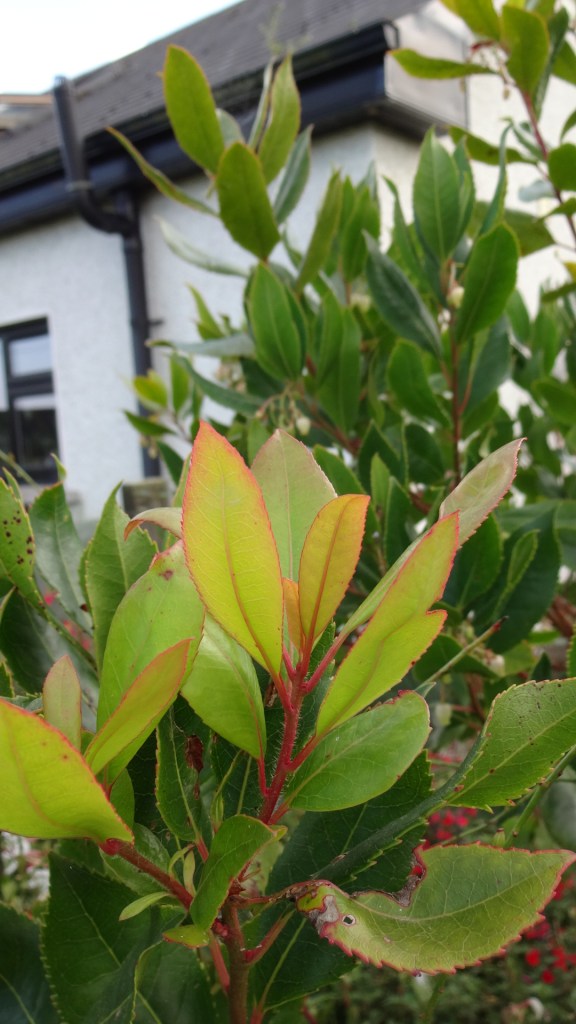
New growth on our seed raised plant has nice orange and red tints.


Arbutus unedo ‘Quercifolia’


This variant, commonly known as the Oakleaf Strawberry Tree, stands out for its striking oak-like leaves. The foliage adds an extra layer of interest to the plant, providing a beautiful contrast against the delicate flowers and red fruits. ‘Quercifolia’ is an ideal choice for those seeking a unique twist on the traditional Arbutus unedo.

Arbutus unedo ‘Rubra’


The ‘Rubra’ variant captivates with its vibrant pink flowers, offering a more intense burst of color to the landscape. These bright blossoms against the dark green foliage create a visually striking combination. ‘Rubra’ is a popular choice for those looking to add a dash of boldness and playfulness to their garden.

Arbutus unedo ‘Compacta


As the name suggests, the ‘Compacta’ variant is a more compact form of Arbutus unedo. This dwarf cultivar is perfect for smaller gardens or containers, as it retains all the beauty and features of its larger relatives but on a smaller scale. ‘Compacta’ presents an excellent opportunity for urban gardeners or those with limited space who still want to enjoy the charms of Arbutus unedo.

Arbutus unedo ‘Mercurius’


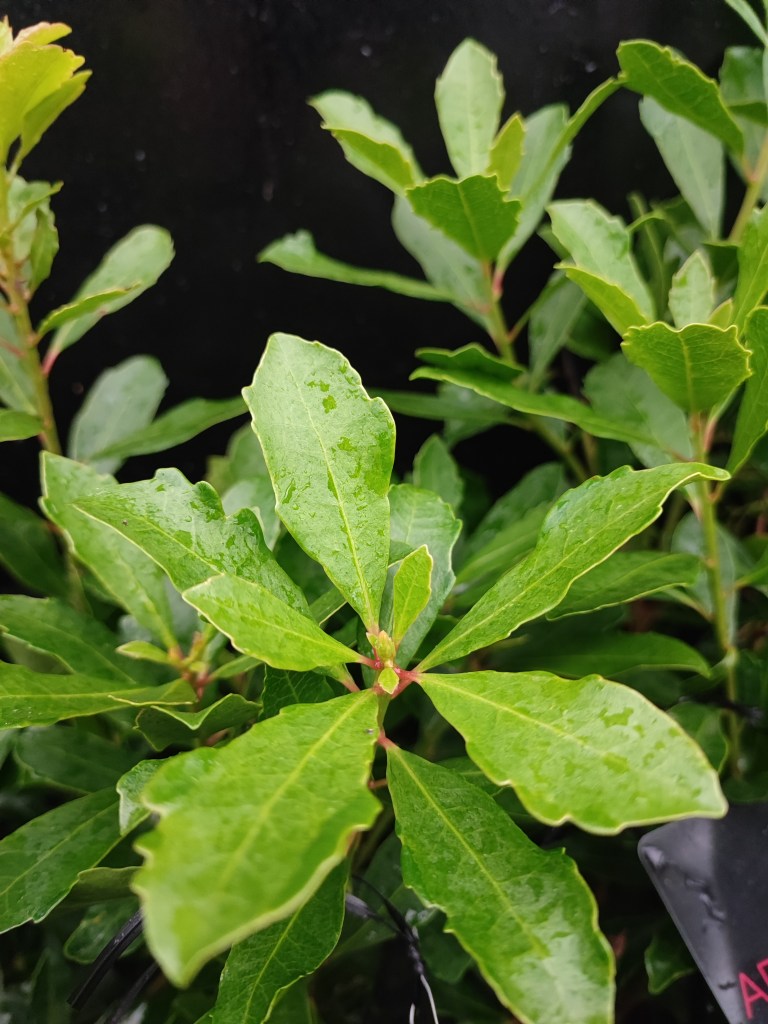
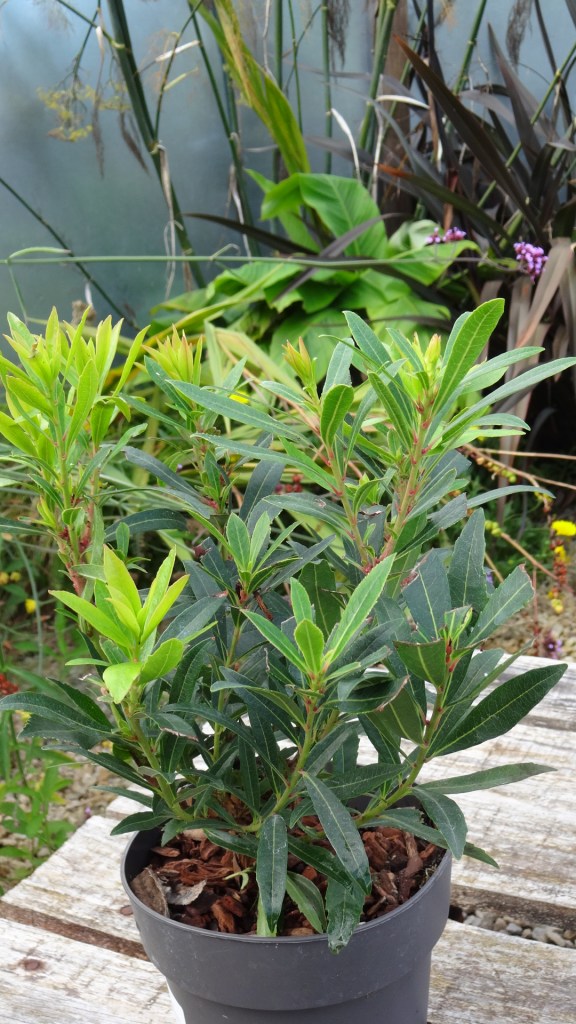
‘Mercurius’ is a new and notable variant that showcases a neat and compact growth habit. With its glossy, dark green leaves and abundant flowers, this cultivar is particularly attractive. An added feature is the new growth is orange in colour. Its smaller stature makes it an ideal choice for container gardening or lining paths, where it adds a touch of elegance and sophistication. It’s mature height is said to be 40-60cm.


Conclusion


Arbutus unedo, with its stunning flowers, luscious fruits, and enticing variants like ‘Quercifolia’, ‘Rubra’, ‘Compacta’, and ‘Mercurius’, is a fantastic plant that offers considerable appeal. Whether you’re looking for vibrant blooms, unique foliage, or simply want to enjoy the gorgeous fruits, this enchanting plant will be a welcome addition to any garden. Consider adding Arbutus unedo to your garden, or the smaller varieties can be grown in pots, and prepare to be rewarded with year-round beauty, delightful culinary experiences, and a touch of magic.

Arbutus Facts

  • Arbutus unedo can grow up to 10-15 feet tall and spread over 8-12 feet.
  • It produces white bell-shaped flowers in late autumn to early winter.
  • The plant’s distinctive strawberry-like fruits ripen in autumn and persist on the plant throughout winter.
  • Arbutus unedo has glossy, dark green foliage that remains persistent throughout the year.
  • It is commonly known as the “Killarney strawberry tree” due to it being native to the Killarney area of Co. Kerry, Ireland, one of the few evergreen native trees.
  • Although, it is in the heather family, it is lime tolerant, not requiring acidic soils like the majority of the members of the family Ericaceae.

As the days continue to shorten, sieze the moments.

Late October Morning at The Paddock

As the days get shorter, it is staying mild with only a few light frosts. Most mornings it is dark when going to work and when arriving back home. This weekend the clocks went back an hour, coupled with the fact that I don’t need to leave as early due to traffic being light at weekends, I got to spend a few minutes in the garden before leaving for work.

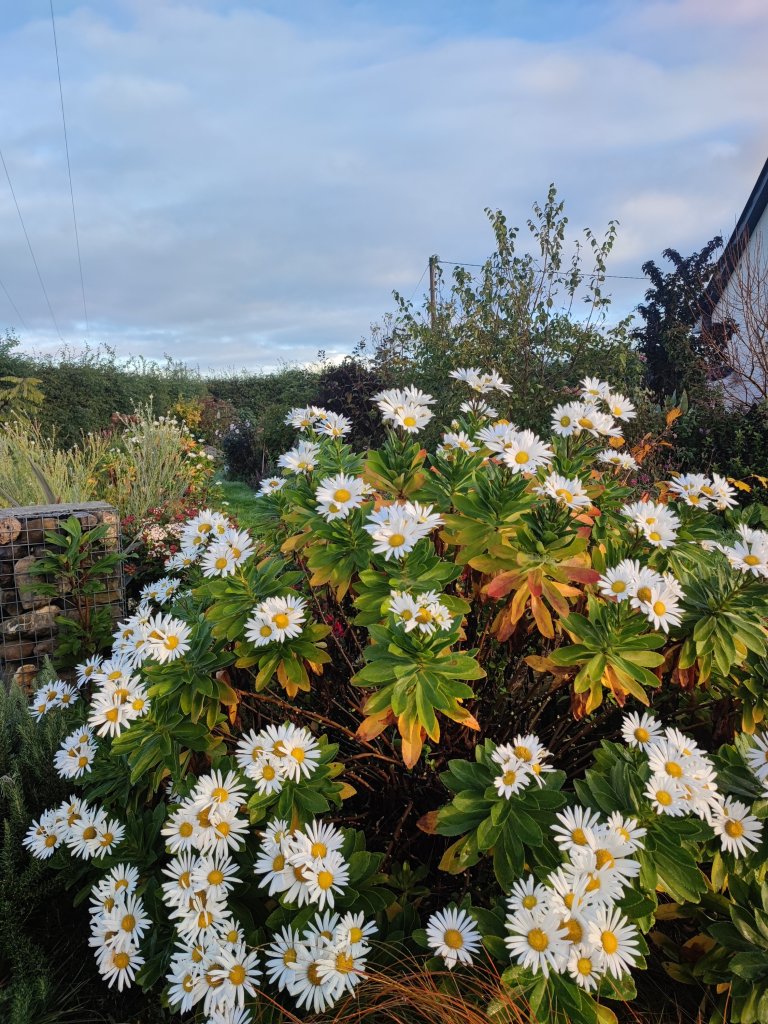
My favourite plant at this time of year is the Nippon Daisy, also called Montauk Daisy, Nipponanthemum nipponicum. It starts to flower T the beginning of October, the large daisy flowers are stunning

The plant is about 1meter tall (3ft), rounded in shape but a little wider. When frosts arrive, the flowers will get killed off and when it gets even colder foliage and stems may die back.

I leave the old growth in place until spring, even at this time of year you can see next year’s buds swelling further back along the stems towards the centre of the plant.

In early Spring, I will cut back the dead wood to the new buds. New growth will be produced, and the plant will.make a dense rounded mound. I have three plants growing in the area we call ‘The Pylon Garden’. The round shapes add structure to the planting and their repetition helps link the areas together to unify the design.

A super plant for structure and late season flowers.