Vertical Spring

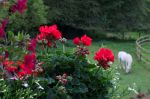
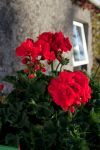
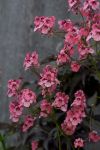
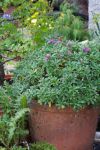
I took a few pictures of my vertical planting for a talk to a garden club that I am giving tonight.

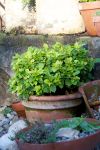
They planters were made from old 5l plastic water bottles, chicken wire and weed control fabric.

Recent research from Harvard reports that people who live in areas with more leaves and plant life around them live longer and have less illness. Maybe we need to encourage more people to make use of vertical surfaces for growing plants. If nothing else, it will look nice!

IMG_8306.JPG

IMG_8307.JPG

IMG_8297.JPG

Getting connected…

The birds were singing. First light hid behind the trunks and branches, the soft glow, shy behind the trees. Deep wine buds of Skimmia japonica ‘Rubella’ glistened with a coat of moistness, blue wisps of Carex glauca tickled the air in the gentle breeze. Amongst the pots the winter flowering Helleborus X nigercors faced the world with gentle defiance.

IMG_7427-1.JPG

IMG_7431-1.JPG

IMG_7521.JPG
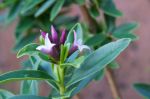
I pinched a faded bloom, picked a tiny weed from a pot, looked with admiration at the pink buds and white flowers of Viburnum tinus ‘Lisa Rose’.

Nature can refuel the mind, a quick reboot to start the new day. A garden is a beautiful thing, but we do not have one. Our pots and planters grow our flowers, herbs and even some fruit, providing beauty and halting us for brief moments as we pass them by. A few moments to look, a few moments more to pluck a weed, another few to pinch a faded bloom; long enough to feel connected to the beauty of the world.

Even when it rains…

The weather may be horrible, a wet and gloomy morning. The day ahead can seem impossibly dreary and it is hard to face the drive to work. That’s how it felt today…

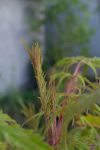
As I descended the steps from the apartment rain drops gently shaking the feathery foliage of Mahonia eutybracteata ‘Soft Caress’ gently called my attention. A moment of admiration in the rain, led to moments more, a little time to reflect and appreciate.

The power of nature, witnessed through the beauty of plant life, made the day seem better. Not having a garden, we grow our plants in pots and other containers. We pass them by each day; they helps us to connect with the world and seasons, cheering up each day.

The flower buds of Viburnum tinus ‘Lisa Rose’, the few leaves of Liquidambar orientale paled yellow before the winter sleep, the humble nodding petals of Helleborus ‘Winter Bells’, and the cheeky faces of Viola in the vertical planters. They made my morning seem brighter, even in the rain.

IMG_7093.JPG

IMG_7088.JPG

IMG_7091.JPG

IMG_7087.JPG

IMG_7090.JPG

Two little big surprises from seed

IMG_1036.JPG
Alnus fruticosa – dwarf seedling
IMG_0575.JPG
Betula albosinensis – 9 year old in centre at back of deck
IMG_0246.JPG
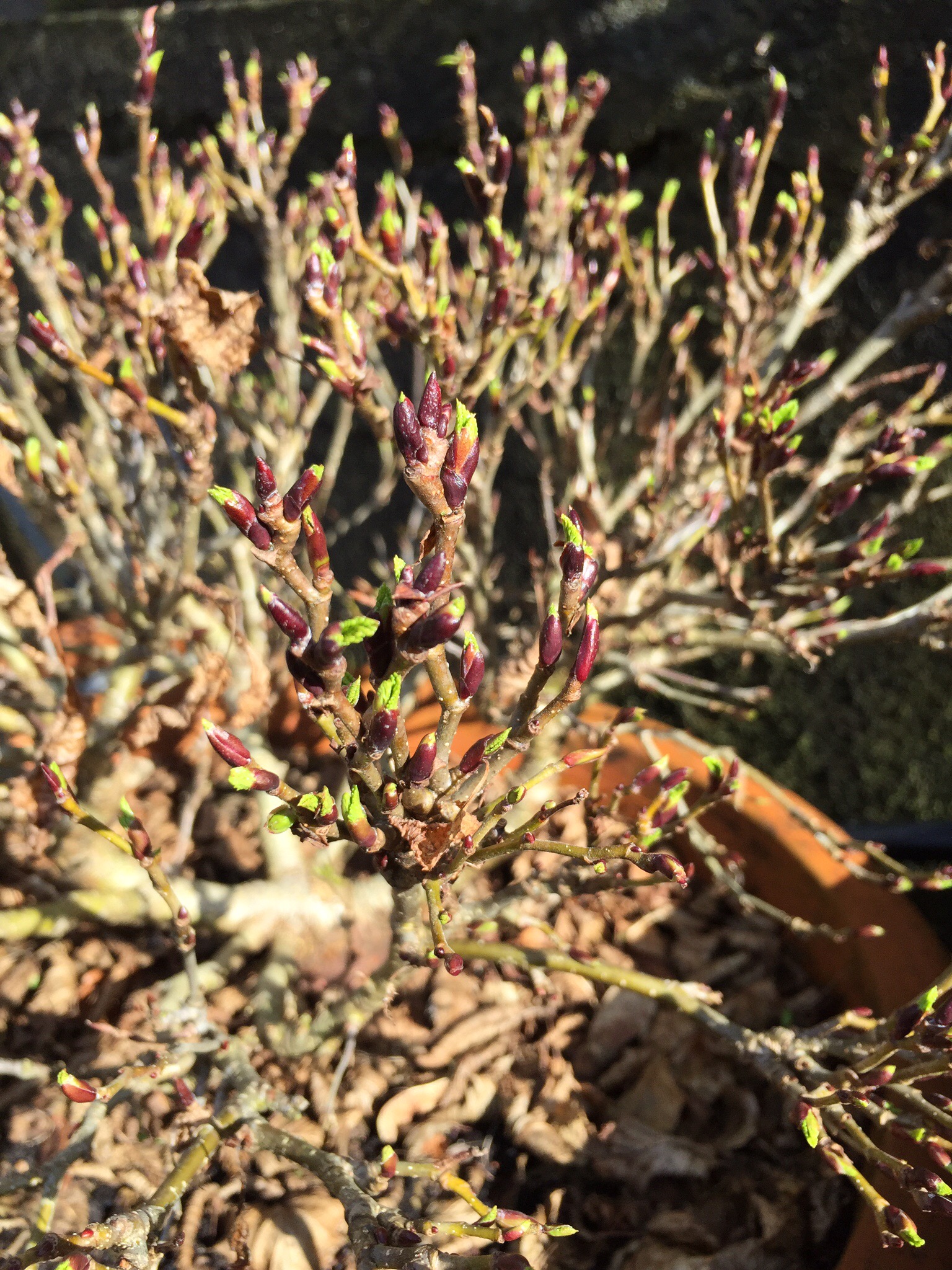
Buds of dwarf alder
IMG_0308.JPG
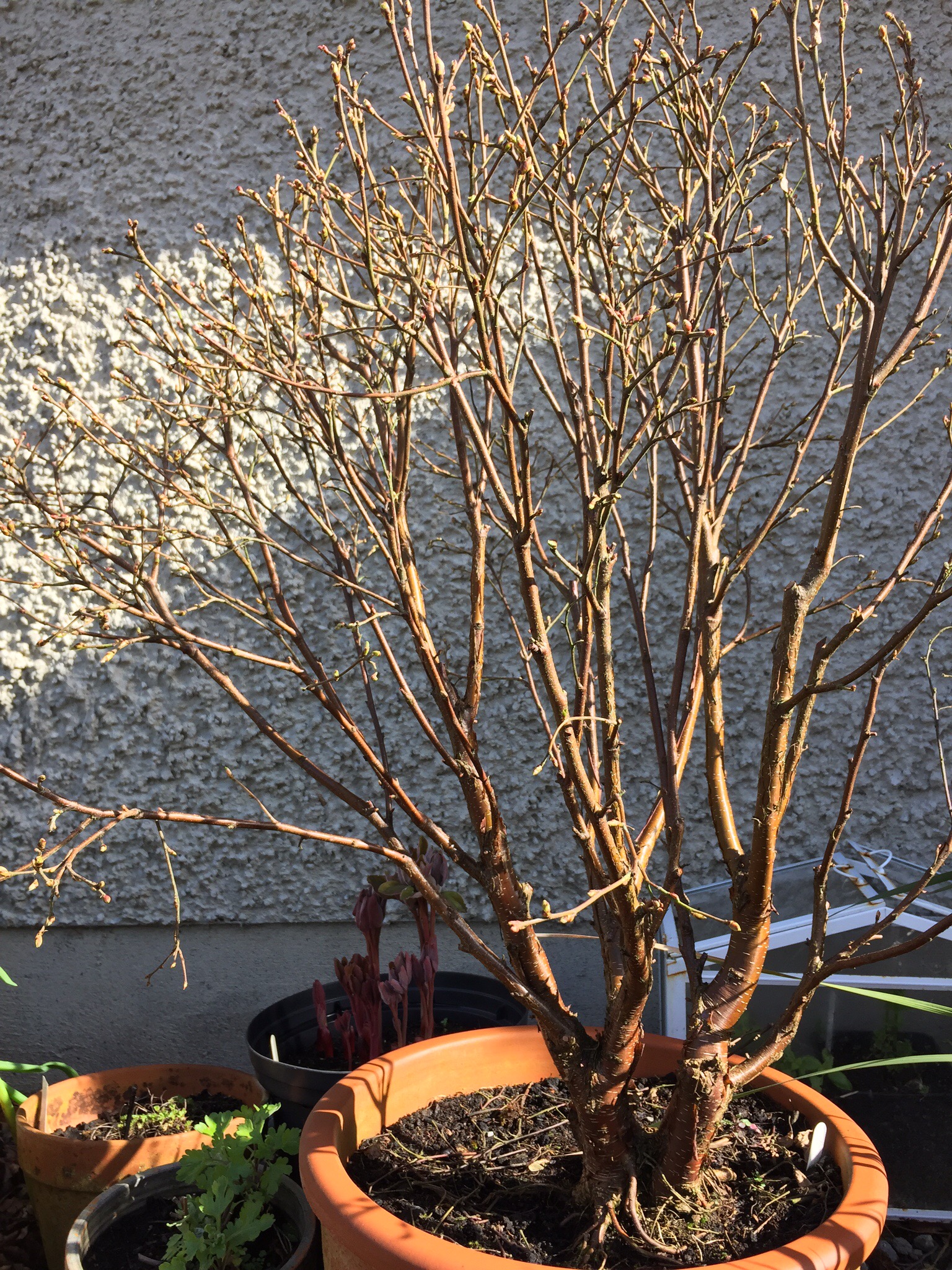
Bark of dwarf Betula albosinensis
IMG_0300.JPG
dwarf Betula albosinensis in spring
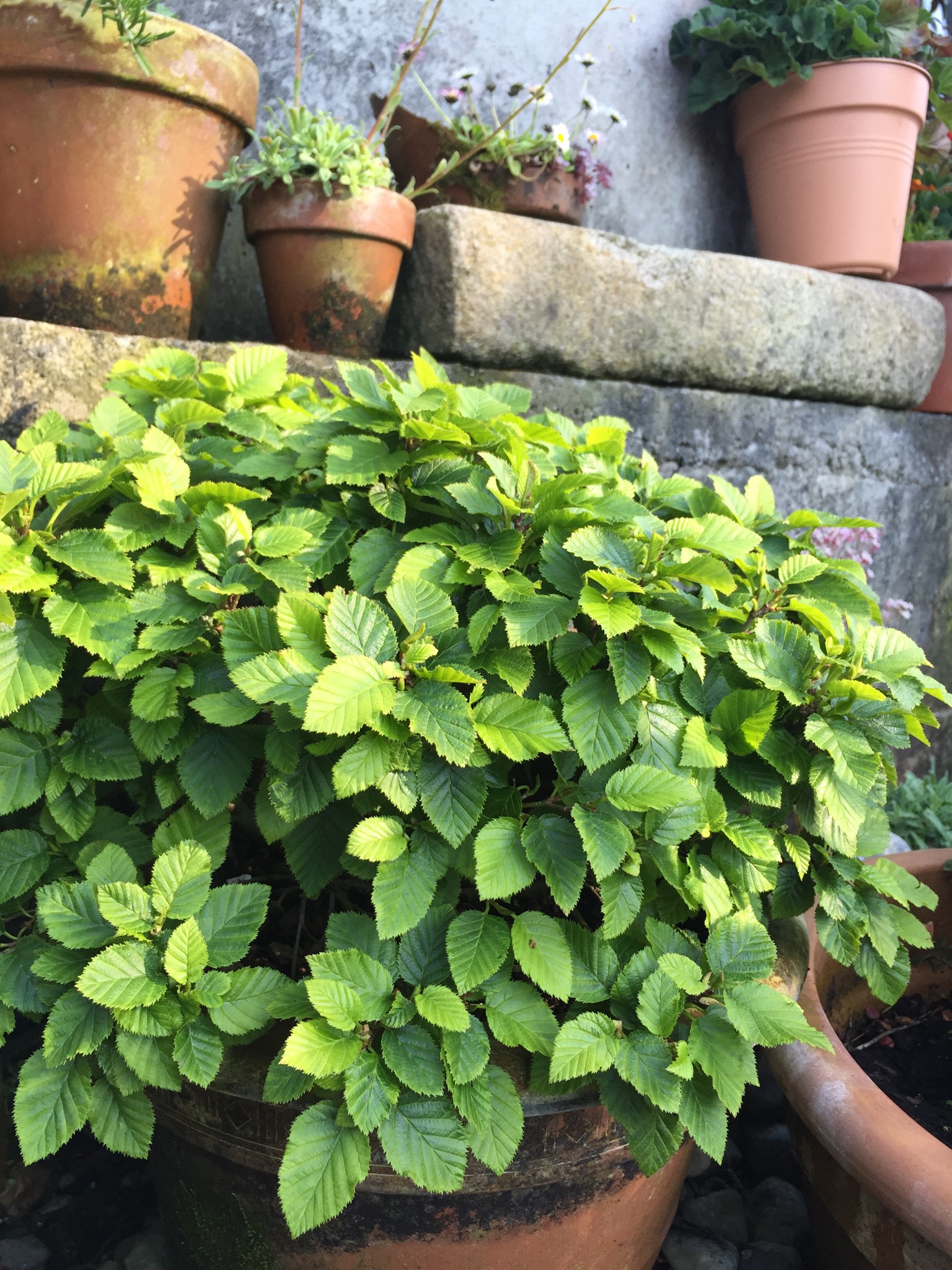
We made a list of all the plants that we are currently growing in our container garden. Some of the plants we brought with us from our old garden. Included in these are a number of plants that we raised from seed. When growing plants from seed, each one is genetically distinct from the others. Although the majority will usually look quite similar when growing trees such as birch or alder, occasionally one can be pleasantly surprised. In 2006 we sowed seed of Betula albosinensis and an unusual alder, Alnus fruticosa. We potted up the germinated seeds and after a few years some plants were planted in the garden. From each of the two species, we got one individual amongst the seedlings which displayed characteristics remarkably different from the rest of their seedling batch; dwarf bushy plants! In the case of the Birch, after nine years our selected plant now measures less than 1 meter and has a bushy habit, all other plants grew much taller and average about 3 meters or more. From the alders only two plants survived, one growing to 2.5 meters, typical of whet on would expect, but the other is hardly reaching 30cm and retains a distinctly bushy growth habit. The dwarf plants from each batch we dug up and now grow as prized plants in our containers. With Plants that we have propagated ourselves, we create a stronger attachment when compared to bought plants. Seed raised plants have the bonus of potential individual interest, diversity and the potential to be something special.

Gone potty- containing my gardening

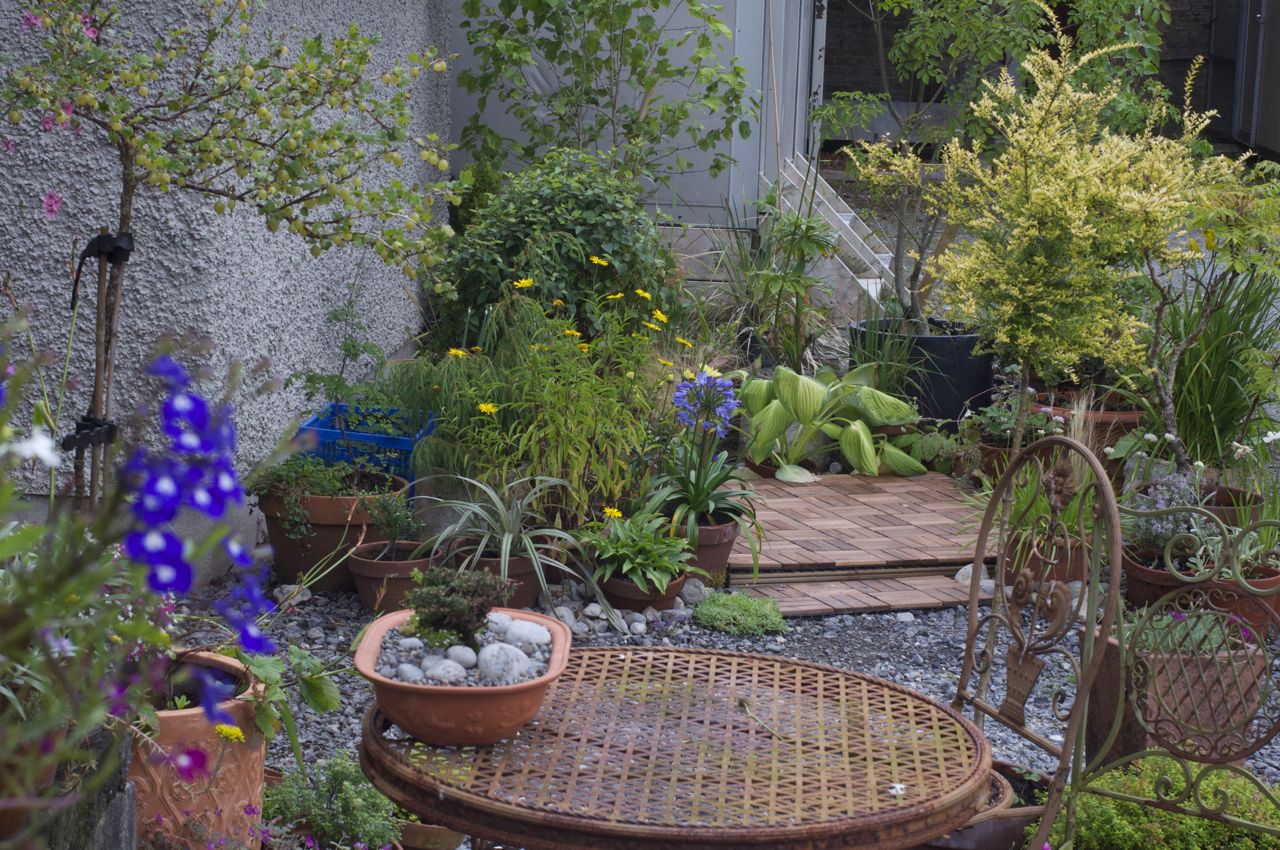
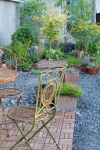
Table with planter
Table with planter- summer 2014

Last year we moved from our one acre garden in Co. Mayo to rented accommodation in Co. Kildare. We thought that not having a garden to care for would be a very difficult change. When we moved to our new apartment, a converted oat loft above stables on a stud farm, we brought with us plants which we had either dug from the garden in Spring or plants that had been growing in containers.

view

The views from our new apartment are great, but the view of the apartment is not so exciting. It provides challenges; it is west facing with the evening sun shaded by large old beech trees, a compacted gravel yard, a large concrete water tank, a plastic oil tank and temporary cabins used as office pace by the stud farm.

Alnus fruticosa dwarf seedling (8 years)

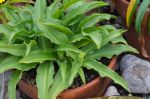
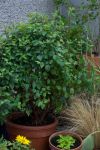
So we placed some pots, added a few more, bought a few flowering plants and inspired by a trip to IKEA we invested in some decking tiles. Now one year on, we love our container garden. It includes seed raised treasures like our dwarf Alnus fruticosa and bushy Betula also-sinensis. Miniature blue hosta, yellow peony roses and double columbines all raised from seed. In a large pot is a gooseberry trained as a standard also from seed.

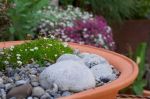
Alnus fruticosa and alpine pot

The plants detract from the grey utilitarian surroundings, add colour and life to the bleak hard surfaces and attract bees to add a buzz in summer. Our landlord loves what we have done and our collection of 140 pots is continuously expanding. Being able to potter, pinch dead flower heads, trim an odd branch, squeeze a greenfly or simply smell the scent of a flower brings us endless pleasure the whole year through.

Hosta sieboldianna seedling - dwarf
Hosta sieboldianna seedling – dwarf

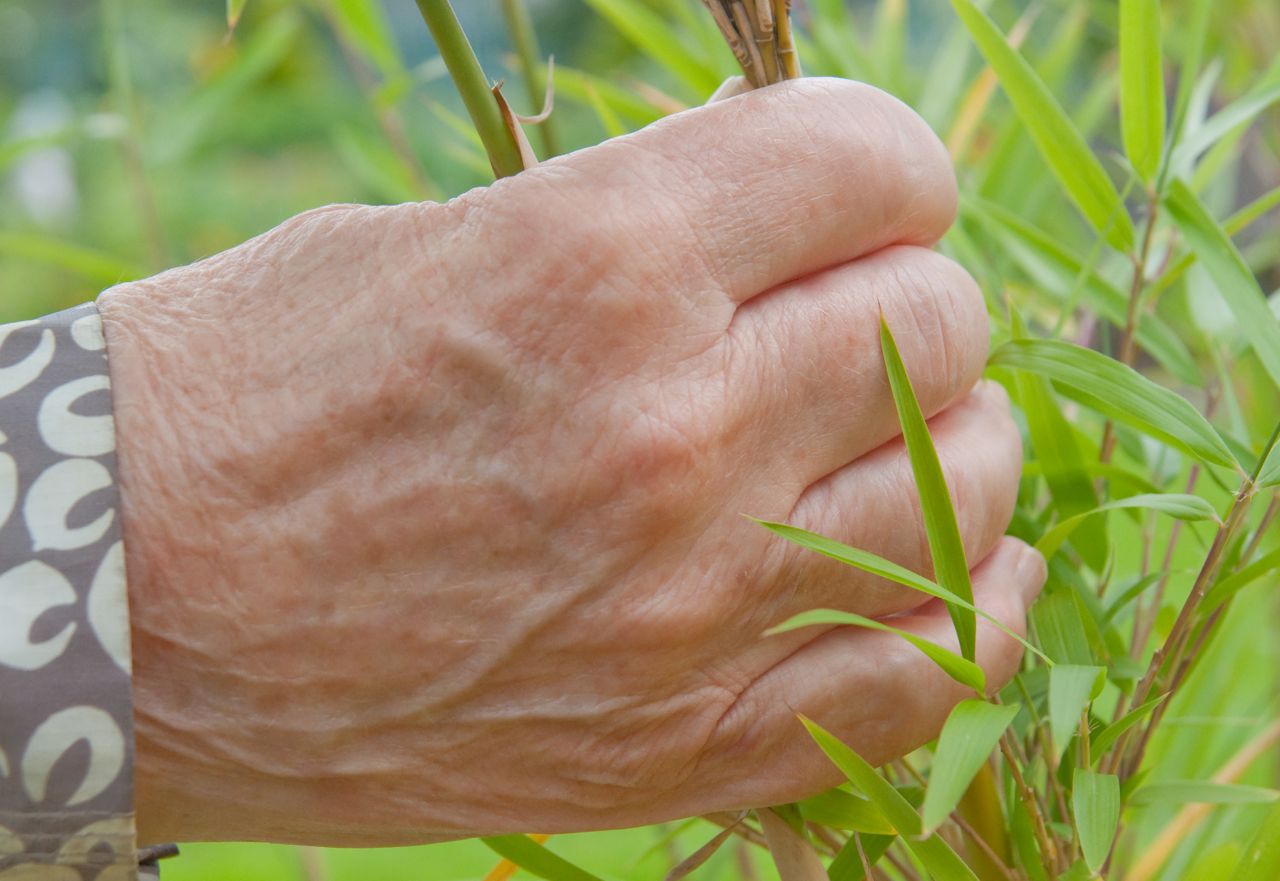
earthTouch- Mary Vernon – 19th August 2014


Mary Vernon, An Tearmann Community Garden, Baltinglass, Co. Wicklow

I have been photographing hands of gardeners, farmers, and people who work with soil for either their living or for their hobby. Its called earthTouch- the hands that change this earth. click the link below to see the latest entry.

earthTouch- Mary Vernon – 19th August 2014.

“Why do you garden?”- My Answer

Would you garden if you had no garden? What if you were imprisoned, locked away for life, unjustly, punished out of hate? Would you ask your captors for compost, for pots, for seeds? And if they let you, would you share your earthly bounty with your jailers?

One man did. And in his actions he found freedom, freedom of his spirit. Through his caring for seedlings, nurturing of plants and toiling with soil, his soul found solace. It was many years later that he walked to his freedom, for that man was Nelson Mandela.

In his writings he speaks of his gardening, his love of the natural world and his need to connect with nature, and to nurture. His captors provided him with seeds and compost. He created a garden in a hostile prison where his crops grew abundant. The prison guards shared in the crops, which he happily gave to them. Gardening helped to keep his mind free when his body was held captive.

Madiba wrote of his love of walking through the long grasses of the veldt. For an Irish man it might be the bog on a summers day, for a Finn it could be the journey through a lingon berry carpeted woodland, for a Moroccan the cool meander beneath the palm trees of an oasis. Nature connects us all, reconnects us to the reality, and transports us to the eternity.

In a plant we can see the wonder of creation; the sacred geometry of an unfurling frond, the sacred spiral of an infloresence, the dazzling beauty of colour in a speckled or striped petal. In the wind we feel power, in the sun, magnificence and warmth, and with rain we our showered with life. When we feel the earth, we feel the past, the present, the future. The product of erosion millennia old, teeming with life, the essentials for our seeds to grow and one day our labours may bear fruit.

One of the greatest pleasures of gardening and maybe most important, is that which is not often spoken about with such freedom and ease as is the harvest, or or the perfectly trimmed lawn or disease free rose. One of the best reasons to garden is that it sets us free, through the act we gain freedom of our spirit. As we nurture our crops and care for our plants we also feed our soul and ease our minds.

Gardening sets us free. Whether you are a prisoner or a judge, black or white, a leader of a nation or slave to a regime, nature is the level playing field. Moments spent in reverie, admiration of the sunset, listening to the drone of a working bee, or moving to one’s own rhythm making the garden weed free. In the act of gardening our spirits are nurtured and our minds revived.

Recently someone asked me why I like to garden. I said it because I liked the exercise, that I enjoyed the air and the smell of flowers. That it was nice to grow your own food. I did not mention that I did it for my soul, as like many gardeners I felt shy to speak of its spiritual benefit. If I am to be honest with myself, and with others, this is probably the main reason, the whole reason. When asked the question, I should have replied, “it sets me free”. I think that is an answer Mandela would have liked.