I spent the day with students from the Royal Horticutural Society level 2 home study course in the National Botanic Gardens, Glasnevin in Dublin today. What a nice day! The sun shone most of the time and there were so many nice plants to see. I took some snaps with my phone of some of the interesting plants that we saw.
CAMASSIA SCILLOIDES
Camassia scilloides is commonly called wild hyacinth and is native to the eastern half of north America. It Grows to about 60cm high and will thrive in damp soil conditions.
BRUNNERA MACROPHYLLA
Brunnera macrophylla produces masses of forget-me-not like bluse flowers over rounded leaves with heart shaped bases. An excellent species for ground cover and thrives in moist shade. Ht. 30-60cm. There are many variegated varieties and especially the silver foliages cultivars such as B. macrophylla ‘Jack Frost’ are attractive, the green leafed species has it own charm.
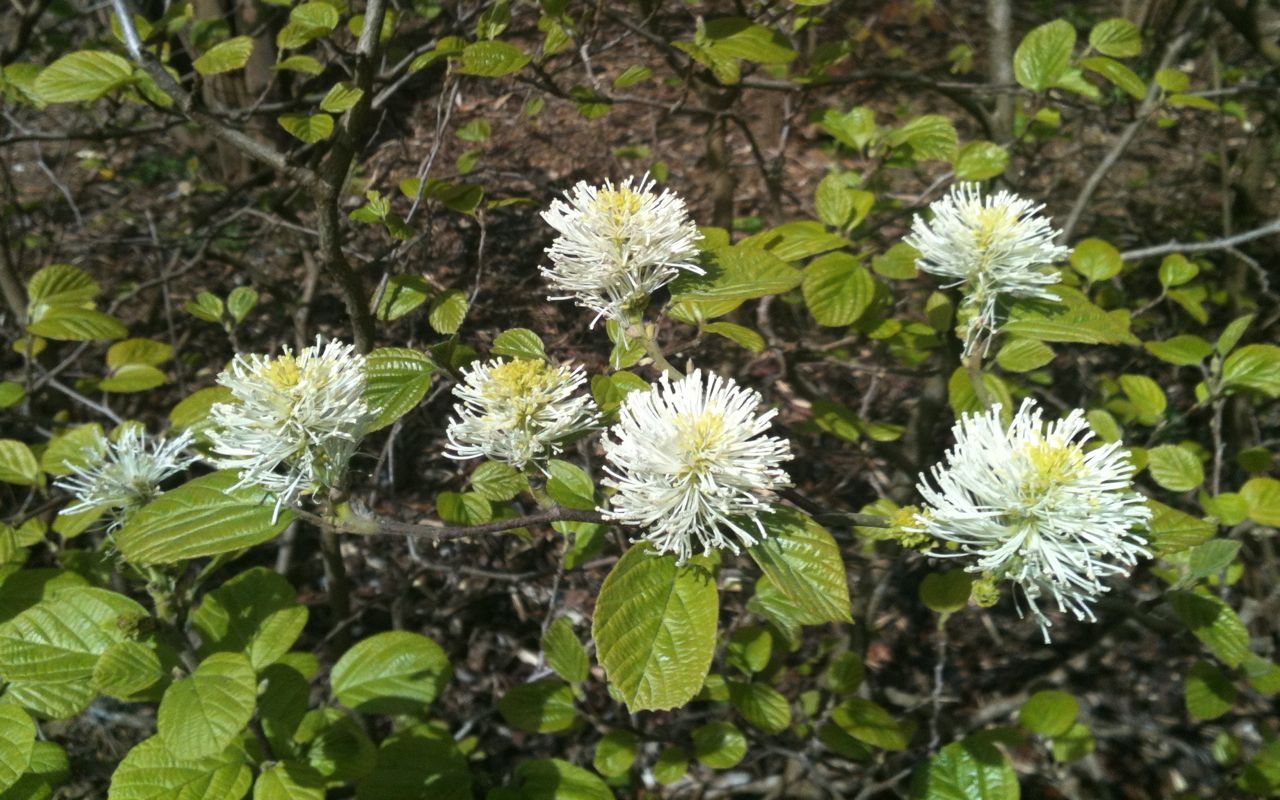
FOTHERGILLA MAJOR FLOWERS
I love the shaggy white flowers of Fothergilla major. It must have acidic soil conditions in which to thrive and although the flowers are beautiful it has another season of spectacular display in autumn when the foliage turns all manner of autumnal red, orange and yellow. The foliage is similar to witch hazel to which it is related.It can reach 3-4 metres high and spread as much with time.
LATHREA CLANDESTINA
One of the most curious plants that you are likely to see in flower at this time of year is the leafless Lathrea clandestina. It is commonly called toothwort and it is a parasitic plant which lacks chlorophyll and therefore it does not have the ability to manufacture its own food. It grows on the roots of certain tree species; alder, poplar and willow. The flowers are pretty, lying close to the soil and intriguing as they appear without any foliage.
SYRINGA LACINIATA
Lilac trees and shrubs are starting to flower in Dublin/ The scent from the common lilac, Syringa vulgaris is gorgeous. An interesting related species is the more compact growing S. laciniata. The foliage emerges as the airy sprays of dark lilac colour flowers are produced in panicles at the tips of the shoots. The foliage is also attractive being deeply lobed, hence the specific epithet, laciniata. It can eventually attain proportions of 2m high and wide but it will take time to do so.
TULIPS
The tulips were in bloom and the mixture of colours was dazzling. I particularly liked the lily-flowered Tulipa ‘Marilyn’.
TULIPA 'MARILYN'PAEONIA SUFFRUTICOSA 'DUCHESSE DE MORNY'
The tree peonies were just starting to flower and some were astoundingly flambouyant. Paeonia suffruticosa cultivars are hugely variable, some have flowers so large that the plants seem to struggle to hold the blossoms upright. P. suffruticosa ‘Duchess de Mornay’ is large but too big and has a delightul shade of pink petals packed into a double flower.
As one of the students living in galway bit originally from Dublin said to me, the National Botanic gardens are Dublin’s best kept secret. It is certainly a treat for any gardener or for anyone who appreciates nature’s beauty.
Each month we visit the gardens as part of our course. There is an option to join the garden visits only or to combine the visits with a correspondence course based on the syllabus for the RHS Level 2 Certificate in the Principles of Horticulture. More info:www.thegardenschool.ie
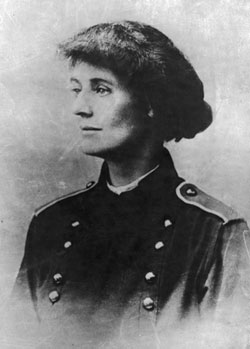
Easter 1916 marked a turning point in the Irish struggle for independence. On April 24th, Easter Monday, Irish revolutionaries took over key sites in Dublin including the G.P.O. and tried to inspire a nation to fight against foreign rule. Although the insurrection was a failure, the subsequent ill treatment and execution of the leaders of the rising, public opinion changed and the subsequent events lead to the war of independence which culminated in a treaty and formation of the Irish Free State in 1922. A prominent figure of the Irish independence movement was one of the most unlikely people; a woman, with a title, born to landed gentry. Countess Constance Markievicz was born in London in 1868 and christened Constance Gore-Booth. She was raised on the family estate, Lissadell, in picturesque surroundings in Co. Sligo, Ireland.
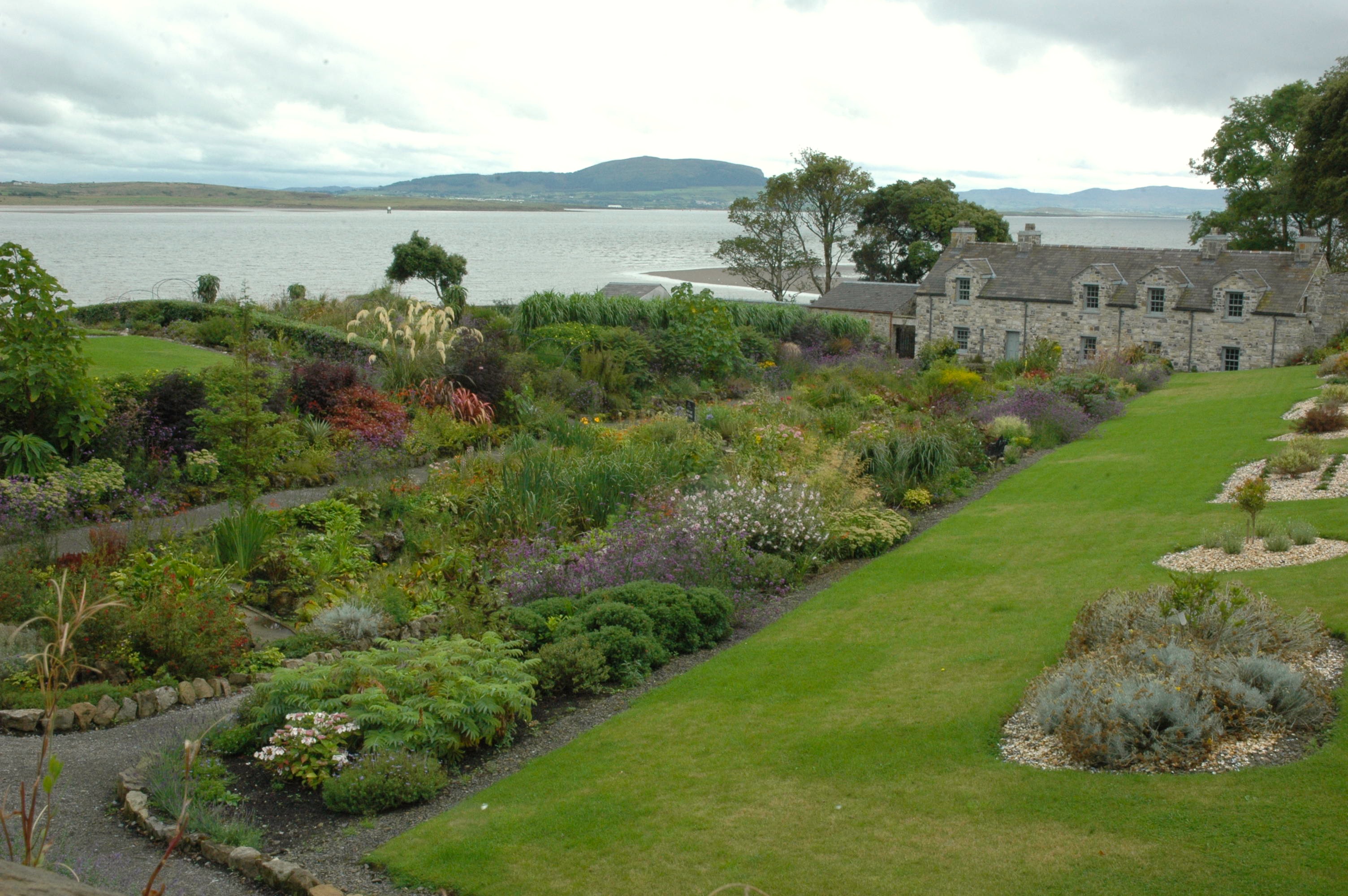
Walled Garden- Lissadell House with view of bay, Co. Sligo, Ireland
In 1900 she married Casimir Markievicz who she met while studying art in Paris. He was a wealthy Polish Count. The Markieviczes settled in Dublin in 1903 and moved in artistic and literary circles, the Countess gaining a reputation for herself as a landscape painter. She became increasingly sympathetic to the cause of Irish independence and in 1908 joined Sinn Fein. In 1909 she started writing for an Irish nationalist newspaper called Bean na hÉireann (Woman of Ireland), her subject each month was a gardening column, “ A Woman In The Garden”. She wrote under a pseudonym but right from the first article where she recollects memories of discovering wild flowers on the mountain of Ben Bulben it is obvious that it is her.
In her first article she she states “I am going to give a few simple hints to the women who wish to make the most of what little bit of their native land that falls to their share in this life.”
In her article in April 1909 the Countess advocates shopping locally; “..and here let me impress upon my readers the advisability of buying Irish plants whenever they are procurable; not only from the National principle, that where we can employ irish hands to work for us, either directly, or indirectly, by buying things from Irish firms we must do so; but also for practical common sense reason that plants accustomed to Irish earth and to irish air are more likely to thrive in Irish gardens. It would seem that things have not changed much in nearly on hundred years, imported plants must have been common then as they are now.
She reminisces about the roses from Dickson’s Roses, who are still in business, and extolls the virtues of roses cultivars bred and sold by Alex Dickson and Son’s Rose and Flower Farm including the roses George ‘C.Waud’, R. ‘Betty’ and ‘R. Killarney’. the first two are no longer available but R. ‘Killarney’ a mid pink HT bred by Dickson in 1898 and is still available through ing it locally for Irish gardeners.
Each month she gives tips on growing plants, both ornamentals and food. For April she advises those gardeners that have not yet pruned their roses to do so right away and to pant the late season crops of potatoes. Dahlia roots should be planted out, 3-4 inches deep and 5 feet apart, ten week stock should be planted to the garden air can be filled with scent for summer as well as sowing vegetable crops such as radish, spinach, beetroot, broad beans and slasify.
Constance would have been exposed to gardening and plants while growing up on the Lisadell estate. It was known for its great collection of plants and in later years the Lissadell nursery was famous for its alpine plants and walled alpine garden.
Over the latter part of the 20th century the estate fell into ruin but great restoration work took place when it was purchased by the current owners, Edward Walsh and Constance Cassidy. The gardens were restored and the gates were open to visitors, a coffee shop sold delicious cakes and produce from the bountiful walled kitchen garden was on sale. Sadly, the gardens are no longer open to visitors, the reason being a court case over a disputed right of way, a great loss to all gardeners and visitors to the north west of Ireland.
Countess Markievicz was imprisoned five times, the total duration of her incarcerations totalled over three years, the last time she was imprisoned was by the Irish Free State. Following the signing of the treaty in 1922 there was a civil war and the Countess sided with those who refused to accept the treaty and the partitioning of the island into Northern Ireland and the Irish Free State. She was released after being on hunger strike. Markievicz was the first female to be elected to the British Parliament in 1918, but she did not take her seat. She was also the first ever female minister in an Irish parliament, she was appointed as Minister of Labour from August 1919 to January 1922. In fact, she was the only female cabinet minister until 1979 when Máire Geoghegan-Quinn was appointed a junior ministerial post.
Apart from her role in politics she was involved in the arts and she performed in several plays at the newly established Abbey Theatre an institution that played an important part in the rise of cultural nationalism. She was also did a huge deal of work with the poor of Dublin and worked at distributing food and set up soup kitchens, often paying for the food from her own resources.
View from Lissadell House
The garden columns of Countess Markievicz reveal that she was a keen gardener and wrote with love about the subject. through the course of her fourteen articles we can see how she was becoming more involved in politics and the independence struggle. Her first articles are purely gardening advice, progressively her columns become highly flavoured with anecdotes and examples of historical Irish nationalists. She laments that the English occupation cannot be dealt with as one would deal with a snail and just simply crush it under foot. In her article from January 1910 she uses the growth of a snowdrop emerging from the cold and barren earth to flower and bring joy and hope as a simile for the Irish struggle.
“ The Irishwoman looking at the first tiny spike pushing up from the bulb below, is at once struck by the simile, for what is Ireland but a poor wee bulb buried away in the dust and dirt of English rule and English influence and struggling to gain light and air.
Should not Ireland take a lesson from the Snowdrop, and gather her forces together for the supreme effort to gain light. The whole forces of the earth are ranged against the Snowdrop, the whole of the British Empire against Ireland, an if our tiny Snowdrop can prevail and force the pass into life, surely the task is not too great for Ireland, and one day we shall see the white flower of Ireland’s beauty shining starlike, pure and free, a star in the garden of the world.”
It seems once again, that Ireland needs to seek inspiration from the snow drop to break free from the cold economic mud hole and enjoy sunnier times!
Lissadell House Website Biographical information about Countess Makiezicz and the Gore-Booth family as well as information about the house and gardens.
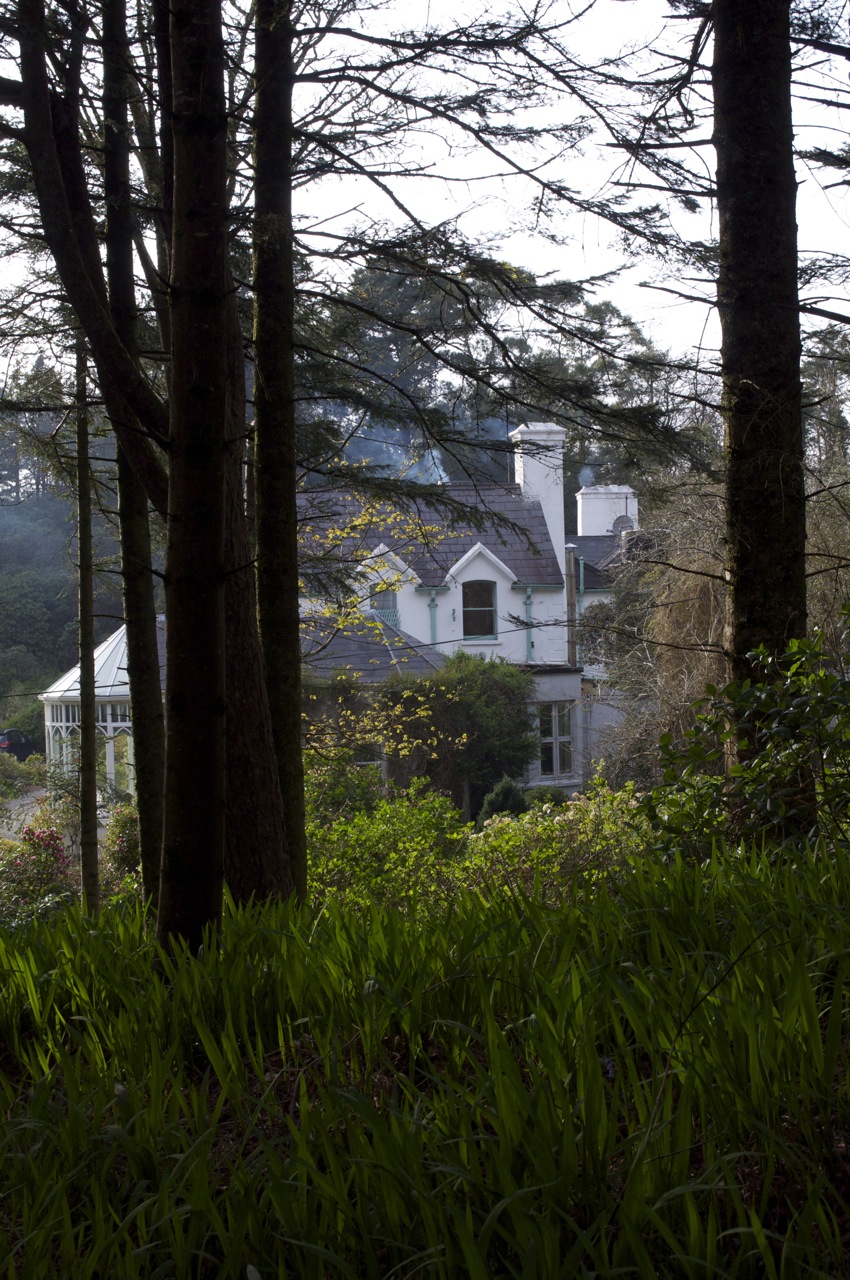
As we drove along the coast road that hugs every curve of the ocean carved land, the sun broke through the cloud and the illuminated waves welcomed us. We had arrived in Cashel, a scenic bay on the Atlantic coast where the sun always seems to shine when we arrive at Cashel House Hotel and Gardens to give a gardening course.
ANEMONE NEMOROSA
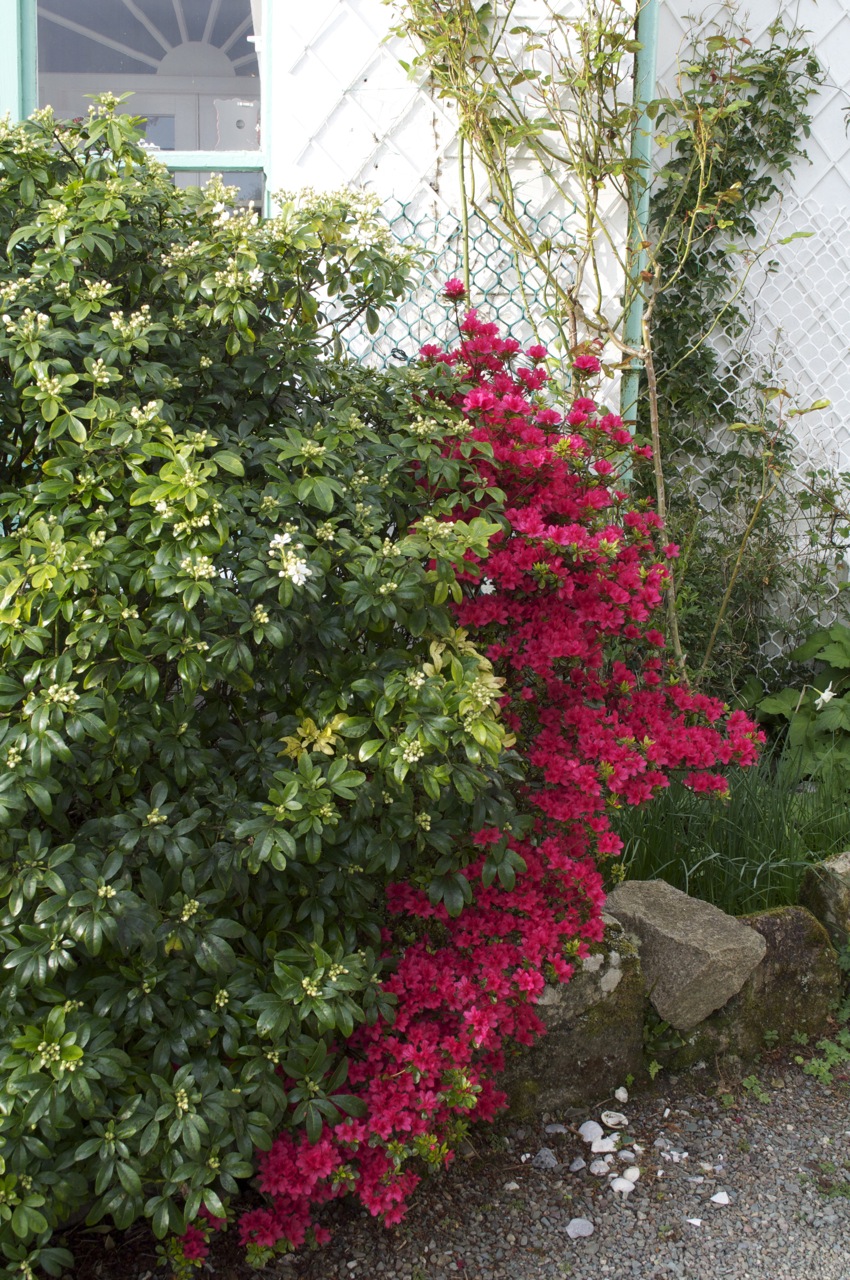
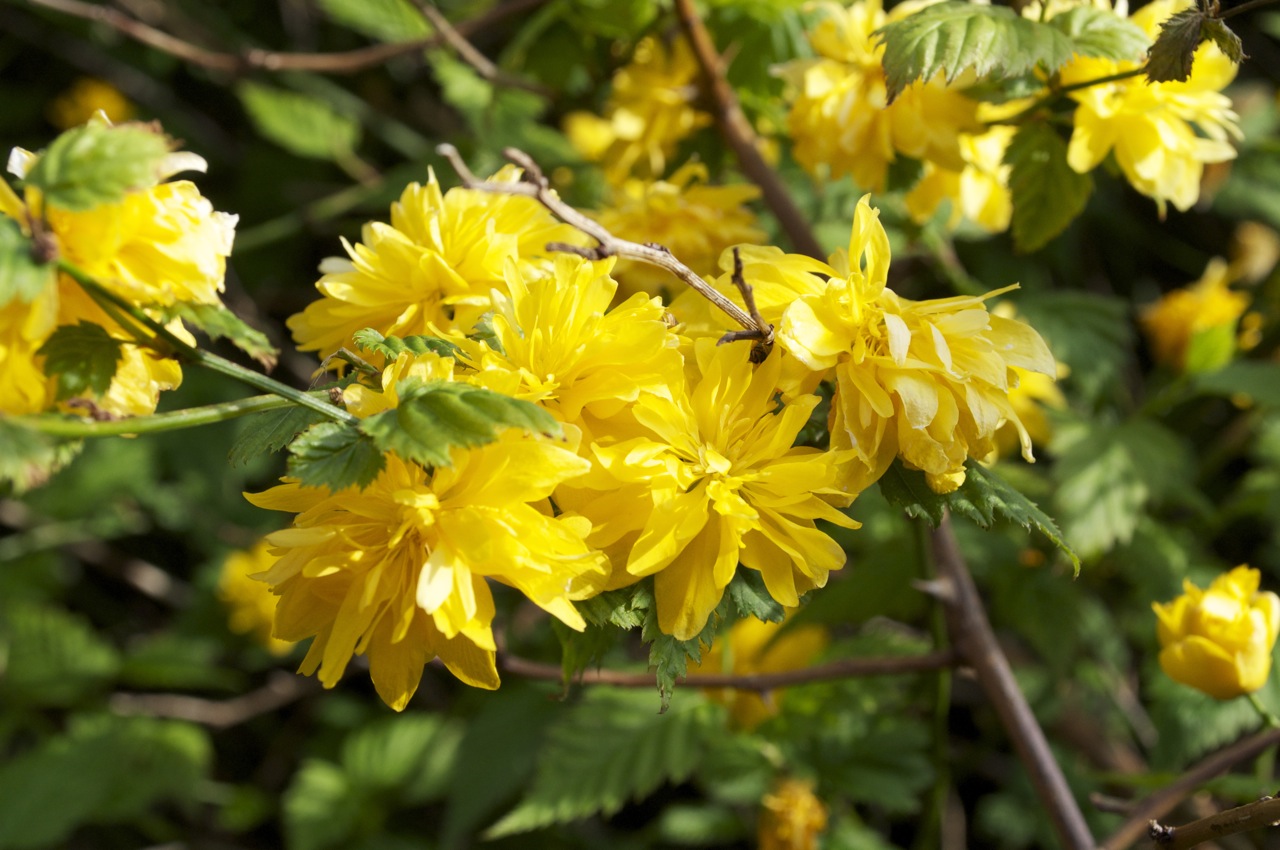
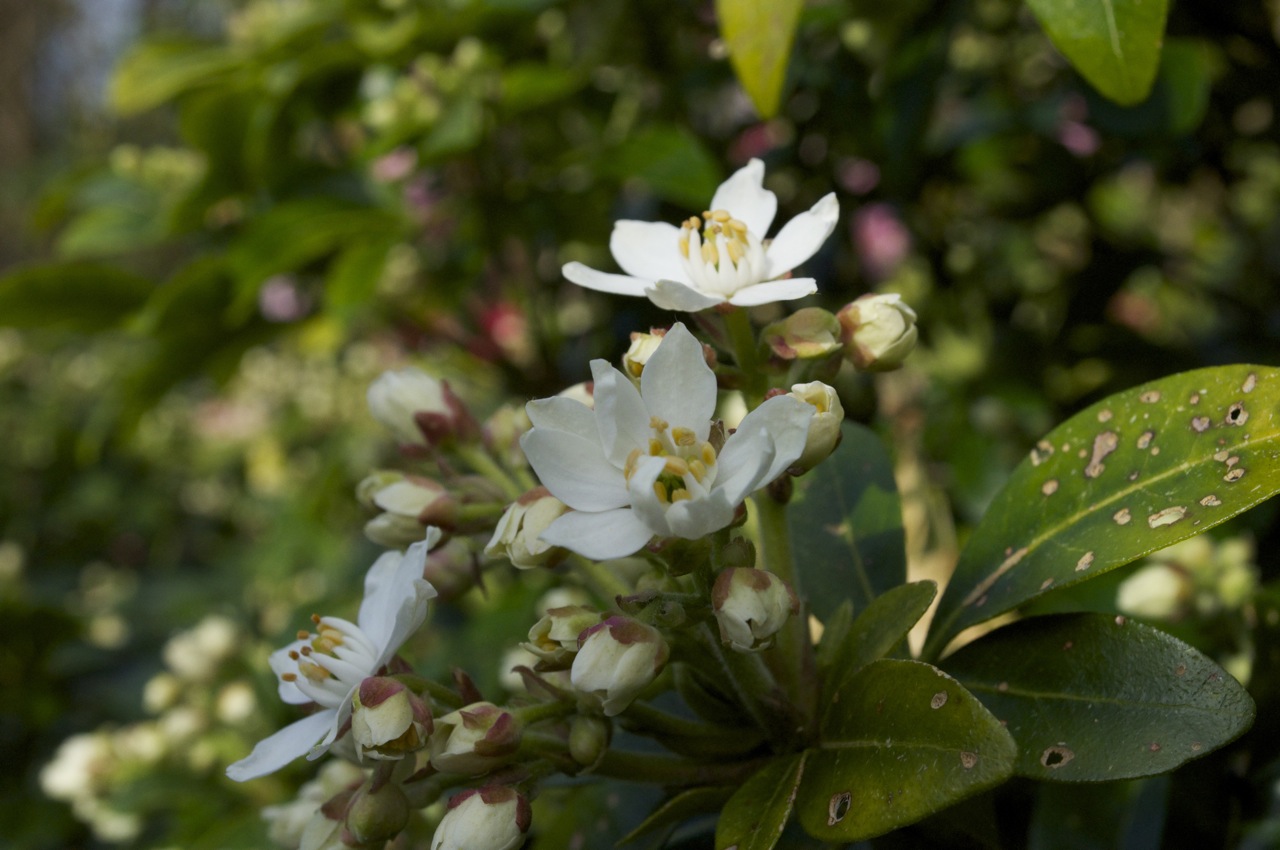
After checking in and a quick and cheerful chat with Ray the manager, Hanna and I took a walk around part of the mature gardens of the hotel. The mild spring is fooling the plants and tricking our minds, it could be May, but there are no leaves on many trees, Kerria japonica ‘Flore Plena’ is flowering like mad, so it must be March, but the bluebells are flowering, nothing is making sense. Perhaps it is best to just admire the beauty, whether it is the wood anemones in the shade, the masses of green leaves waving in the sunlight; a sea of montbretia under the trees, twisting and turning the sunlight or the colourful rhododendrons or azalea mingling with Mexican orange blossom, Choisya ternata, there are beautiful plants everywhere.
CROCOSMIA IN SECRET GARDEN
After our walk amongst the flora, it was time to meet our gardeners and go for dinner in the dining room where five courses of delicious Cashel House cuisine awaited. The sea air gives one a good appetite!
CHOISYA TERNATA AND JAPANESE AZALEA
This slideshow requires JavaScript.
JOIN US FOR OUR NEXT GARDENING COURSE AT CASHEL HOUSE HOTEL IN CONNEMARA, GALWAY, IRELAND
Early potato tubers are usually chitted before being planted outside. This involves placing the tubers in a well lit, frost free place. The shoots develop from the eyes of the tuber and will then be planted outside when the soil has warmed to 6° Celcius.
Early varieties take between 75 – 90 days to mature. Harvesting can start in early summer. Irish people use St Patrick’s Day, 17th March, as the date by which you must have the early potatoes planted.
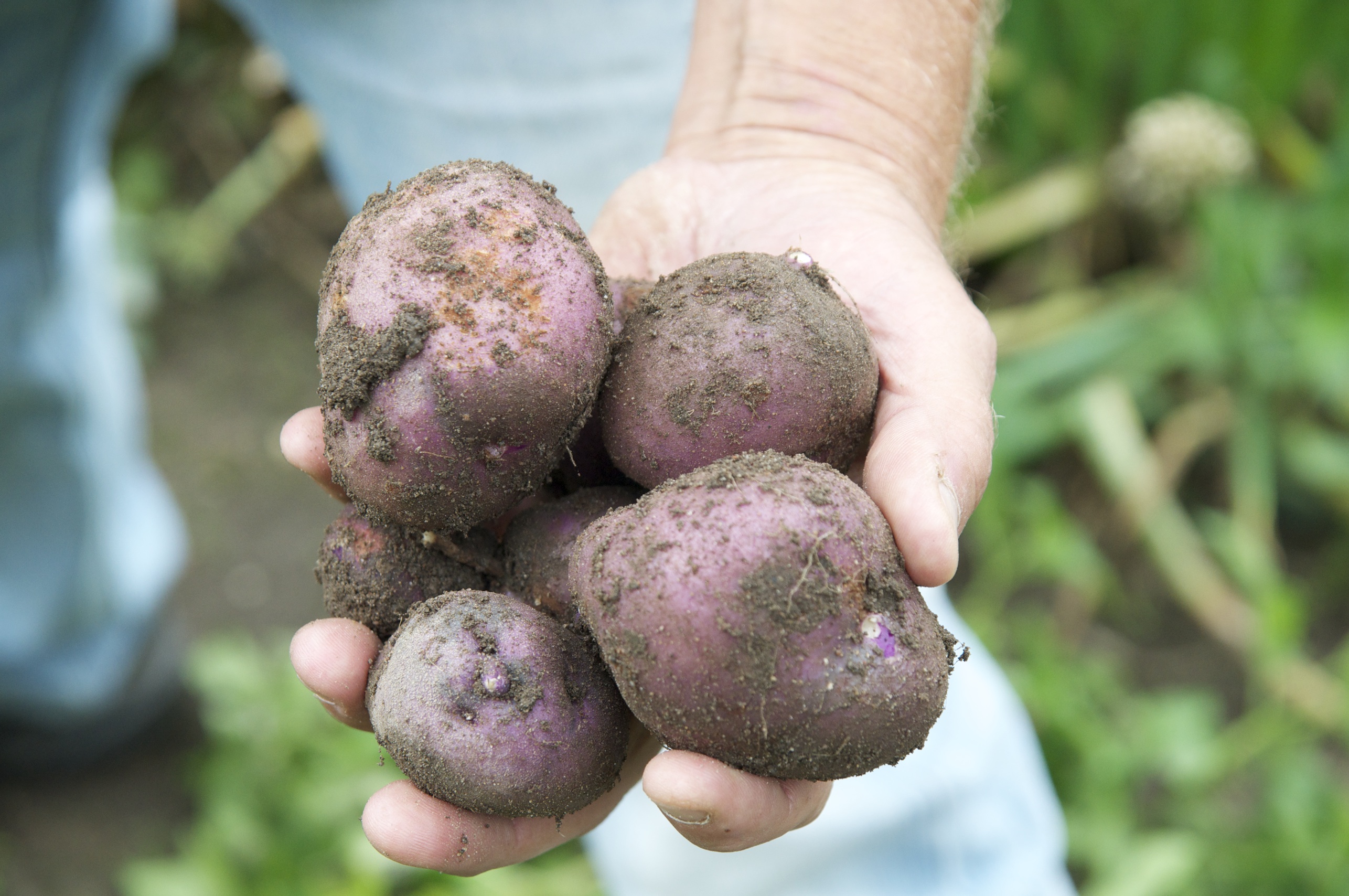
Not everyone has space for planting potatoes, in fact not everyone has a garden. However, just about everyone can enjoy harvesting a few of their home grown potatoes in summer using old plastic compost bags for planting. To obtain an earlier crop, tubers can be planted in a tunnel or glasshouse. Tubs or barrels can also be used. I decided to re-use a couple of old plastic compost bags. Here is what I did:
Step 1: I turned the bags inside out to reveal their dark side which attracts more heat, and looks nicer. I rolled down the bag so as to allow light for the shoots when they grow. Into the base of the bags I made a number of slits to allow drainage.
PLANTING POTATOES IN BAGS- 10 CM LAYER OF COMPOST IN BAGS
Step 2: From our compost heap I got a wheel barrow of lovely dark compost. A 10cm (4 inches) layer was shoveled into the bags and then firmed with my hands.
PLANTING POTATOES IN BAGS- COVERING TUBERS
Step 3: The tubers I placed on the compost and then covered with a further 10cm (4 inches) of the good stuff, and firmed. Then the compost was watered.
PLANTING POTATOES IN BAGS- TUBERS PLACED ON COMPOST
Aftercare: When the stems grow to 15cm (6inches), more compost will be added, to a depth of 10cm (4 inches). As the plants grow the sides of the bags are unrolled to allow for greater depth. I will continue to add more compost as the stems grow until it is 5cm (2 inches) below the top of the bag. The potatoes will need to be well watered. They need a weekly feed of liquid seaweed fertilizer to promote growth. When the plants start to flower the crop will be ready to harvest. As a true Irish man I can’t wait to cook the first potatoes; steamed and then eaten with melted butter and some chopped chives from the garden, yum!
There is nothing quite like your own compost from the garden when growing vegetables. Learn about making compost on my other blog Ciaran’s Gardening Blog and download an information sheet on Home Garden Composting.
Listen to a podcast of “In The Garden with Ciaran Burke” – Episode 13
WATCH THE YOUTUBE VIDEO OF THE NEW GROWTH PROJECT HORTICULTURE COURSE. This is a free training course that we are running in our own garden in Co. Mayo, Ireland. For more info: THE GARDEN SCHOOL Each week we make a video of what the students are doing on the course.
Some G. mucronata berries are quite tasty with some home made yogurt and brown sugar! Or enjoy them as a nice treat when in the garden. It is great to be able to pick a handful of berries and munch them while taking a break from weeding in the garden.
The small, narrow, dark evergreen foliage is densely packed along the stems, each little leaf ending with a short spine. Masses of small white nodding flowers are produced in May, creating a cloud of soft white over the branches. In winter plump berries replace flowers, decorating pots and borders.
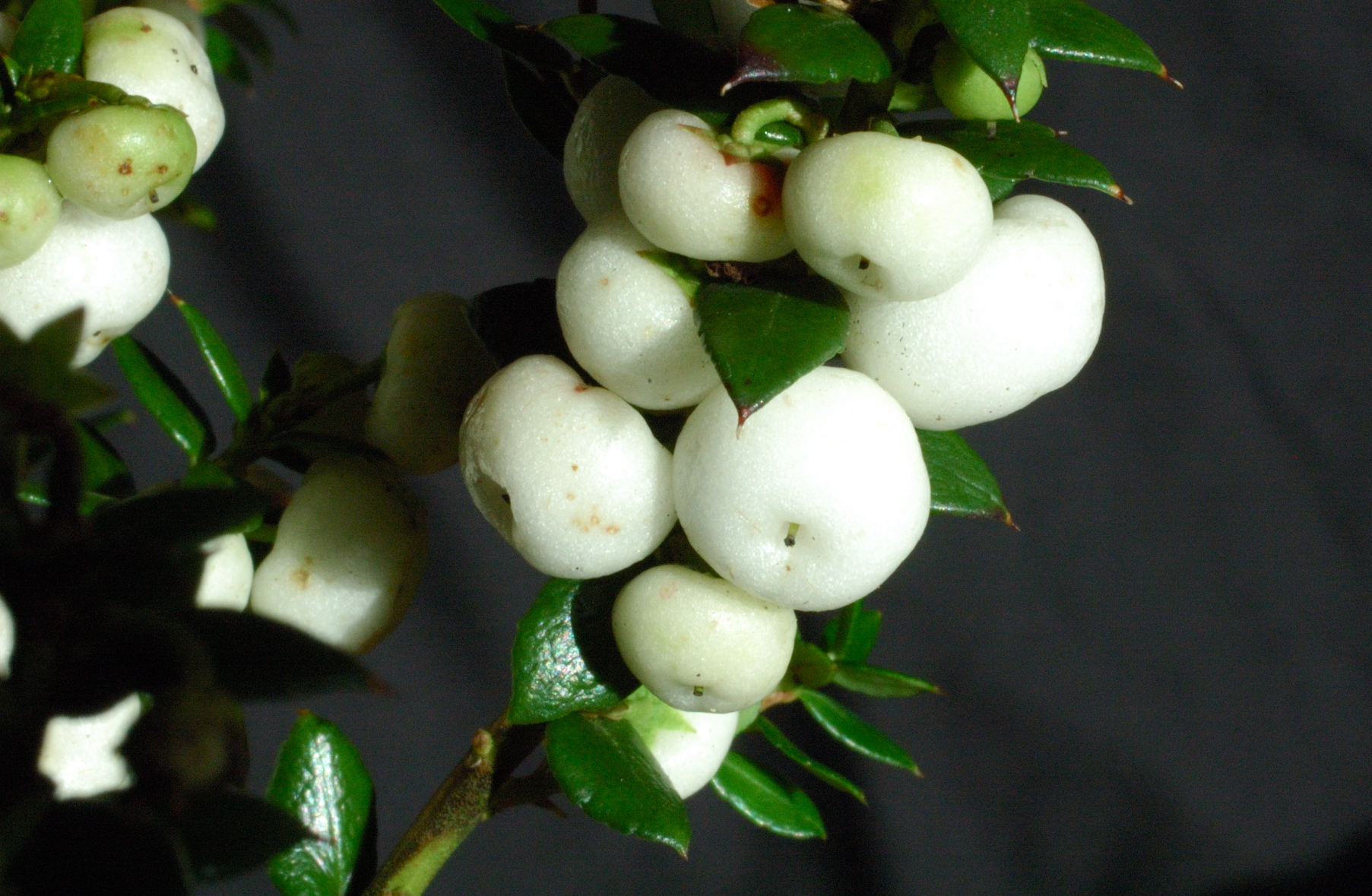
The berries remain on the plant for such a long time, already on show in September they will be looking good right through winter until late spring. Like marbles, they clutter the stems, the colour range from white to mulberry-purple. Named cultivars are sometimes offered for sale but more usually they are just sold incorrectly labelled as pernettya.
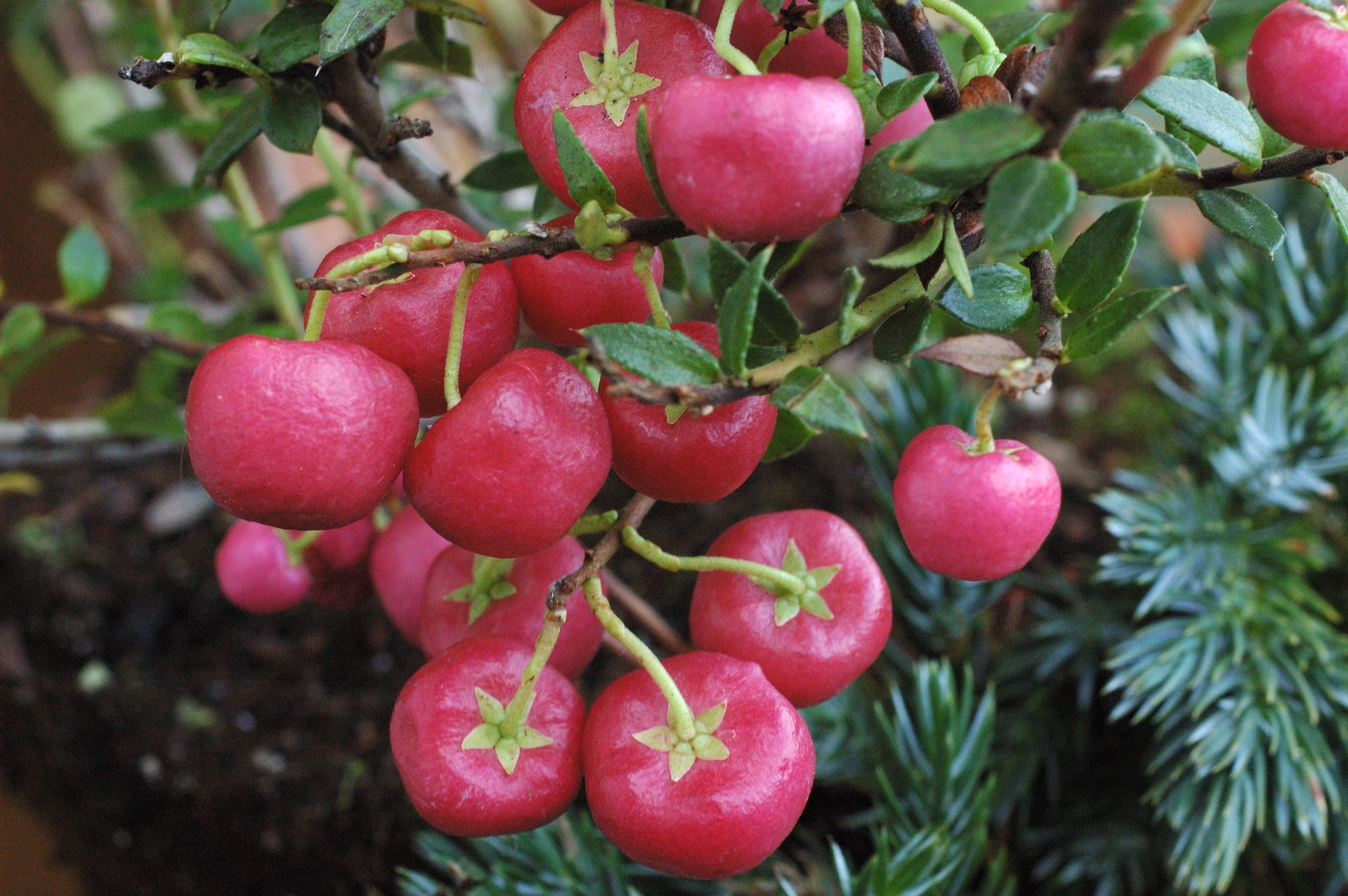
Gaultheria mucronata -red
The flowers of P. mucronata are dioecious, meaning that male and female flowers are borne on different plants. This is important to know if you expect to have berries on your plants.
One male plant should be sufficient for a group of about 8 female plants. A low growing male cultivar called ‘Thymifolia’ is a good choice as a pollinator especially where a neater growth habit is favoured. There is a hermaphrodite plant which produces bright carmine-red berries called ‘Bell’s Seedling’ which is an Irish cultivar. One solitary plant can produce berries without the need for the company of a pollinator.
The edibility of Gaultheria mucronata berries is a subject clouded in confusion, with some texts stating that all members of the genus have poisonous berries. I have eaten them, enjoyed them, and survived!
It is known that South American natives have valued the berries for their taste and health benefits. The texture of the flesh is somewhat watery and the skin dryish, but it is not unpleasant at all. Recently I was tasting some of the berries in our garden, a friend was with me and we noticed that berries from one bush in particular had a far stronger and better taste than the others, while another had no taste at all. Selection of individuals for their flavour is something that could be worked on. What is quite amazing is how long the fruits stay and remain good quality onthe plants, from autumn until now in March.
Gaultheria mucronata - deep pink
Let the fruit ripen well so that the flesh is soft when gently squeezed. Be careful though, plants offered for sale are usually grown as ornamentals and not grown as fruit plants. Due to this fact there may be insecticides incorporated with the compost. Whether or not the plants have been treated with pesticides should be confirmed first before tasting the berries.
G. mucronata which hails from Chile and Argentina, was relatively unknown to gardeners from its introduction in the 1830s until plants raised by the Co. Down nurseryman T.Davis of Hillsborough were exhibited in London in 1882 and attracted attention. He showed plants which he had raised and selected over the previous 30 years. Sadly most of these cultivars are probably lost to gardeners of today but there are many others to choose from. They require acid soil, they are ideal for ground cover or can make attractive outdoor pot plants.
This text is an extract from an article (edible ornamental berries) in the current issue of Organic Matters, the magazine of IOFGA (Irish Organic Farmers and Growers Association) available in news agents countrywide.
Each week I join Johnny Oosten on CRC Fm in Castlebar Co. Mayo to chat about gardening, plants and growing your own food. This week we were talking about gorse bushes, Ulex europeaus, flowering currant, Ribes sanguineum and growing peaches. I also did a quick demonstration for Johnny of making a pot from a sheet of neswpaper. You can listen live each week at about 12.05pm on Fridays online at CRCFM



















 Ciaran The Gardener