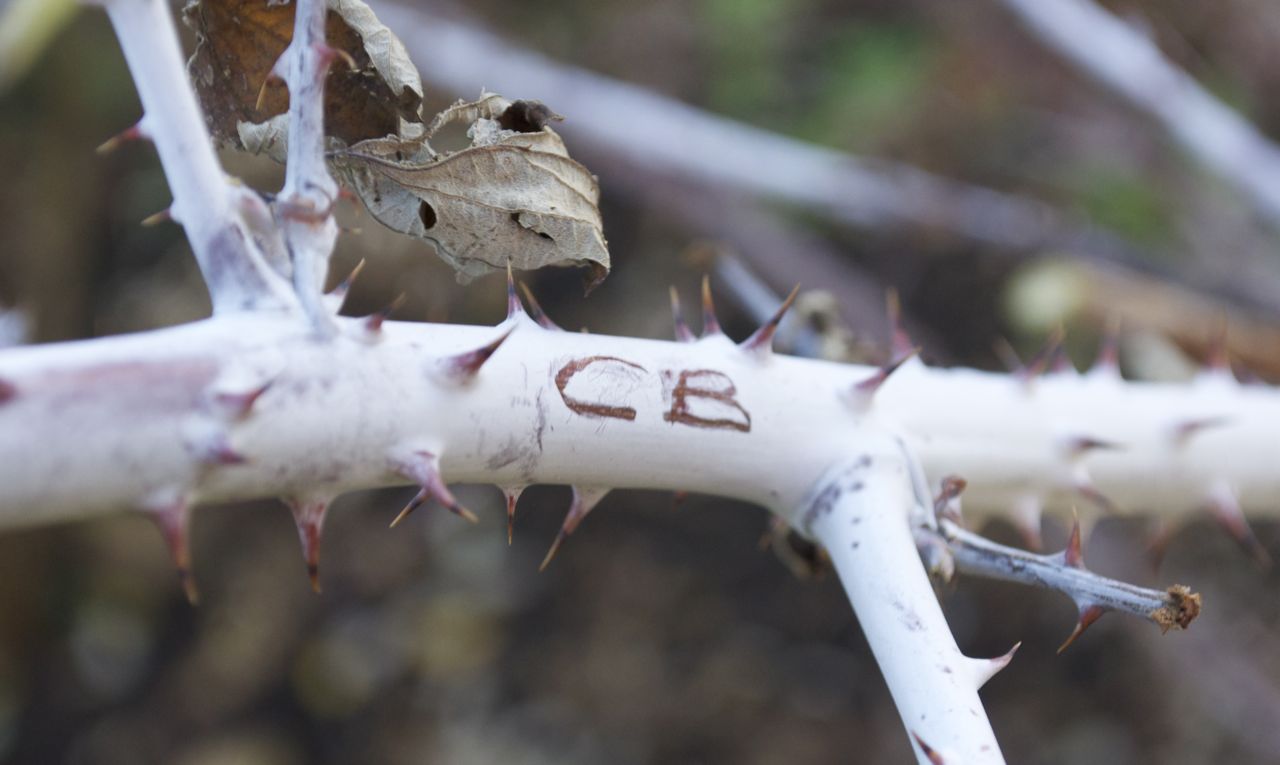
Why do some humans dump rubbish in the forest?.

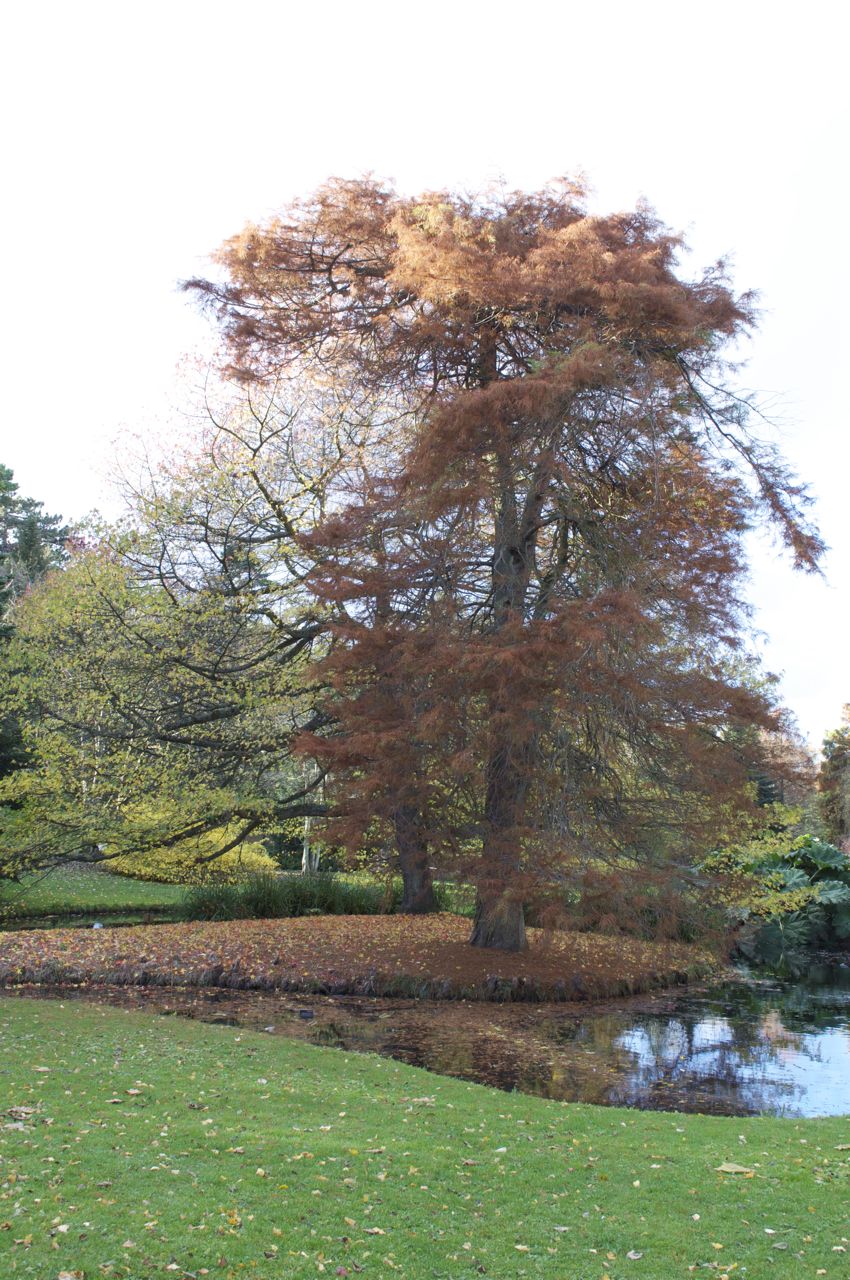
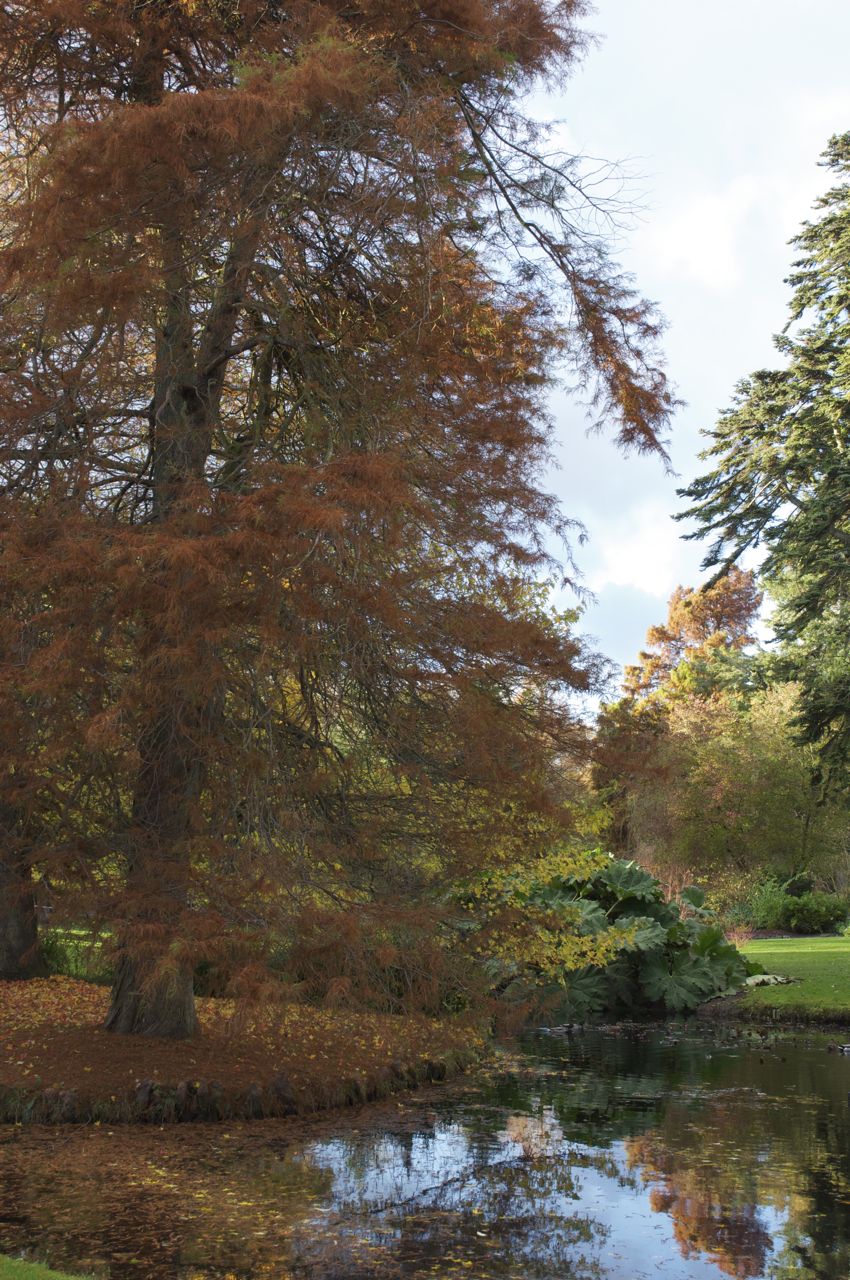
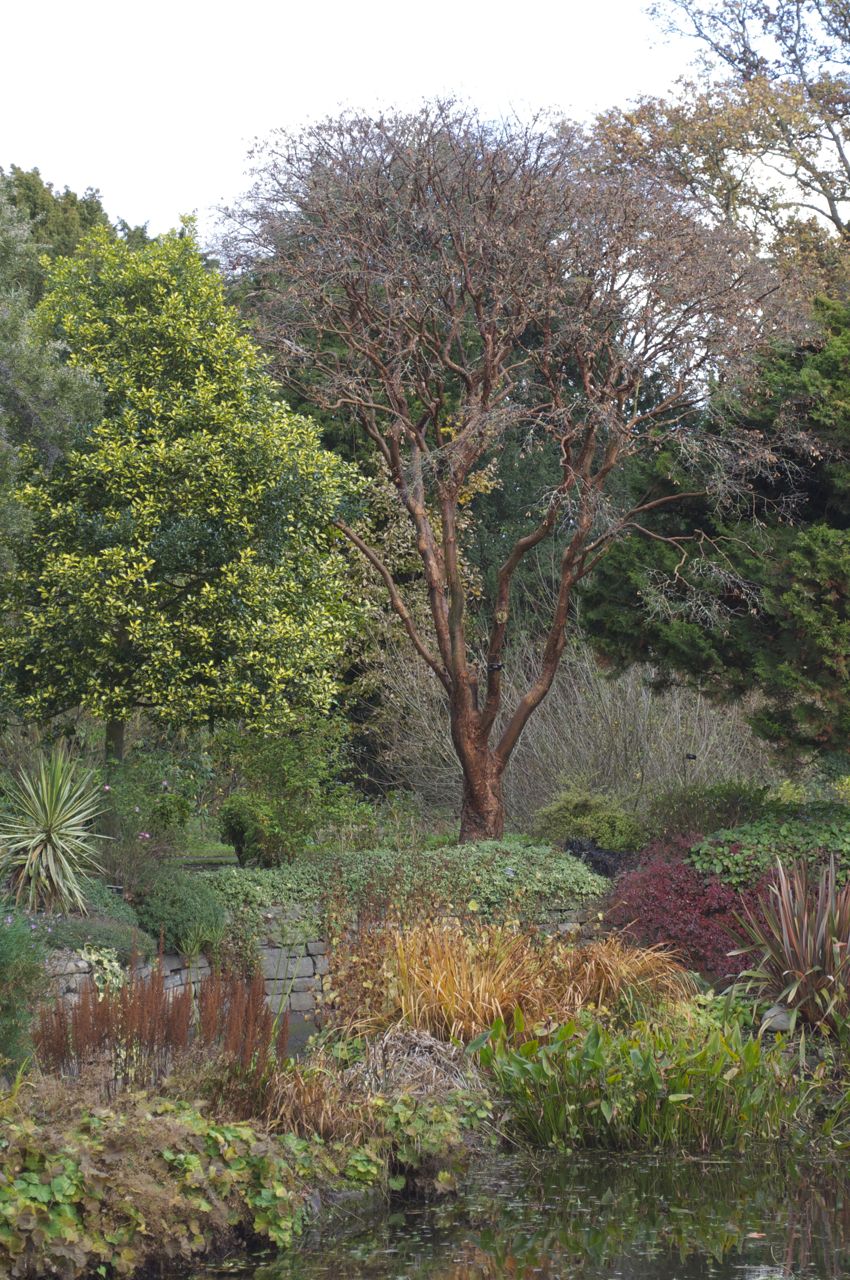
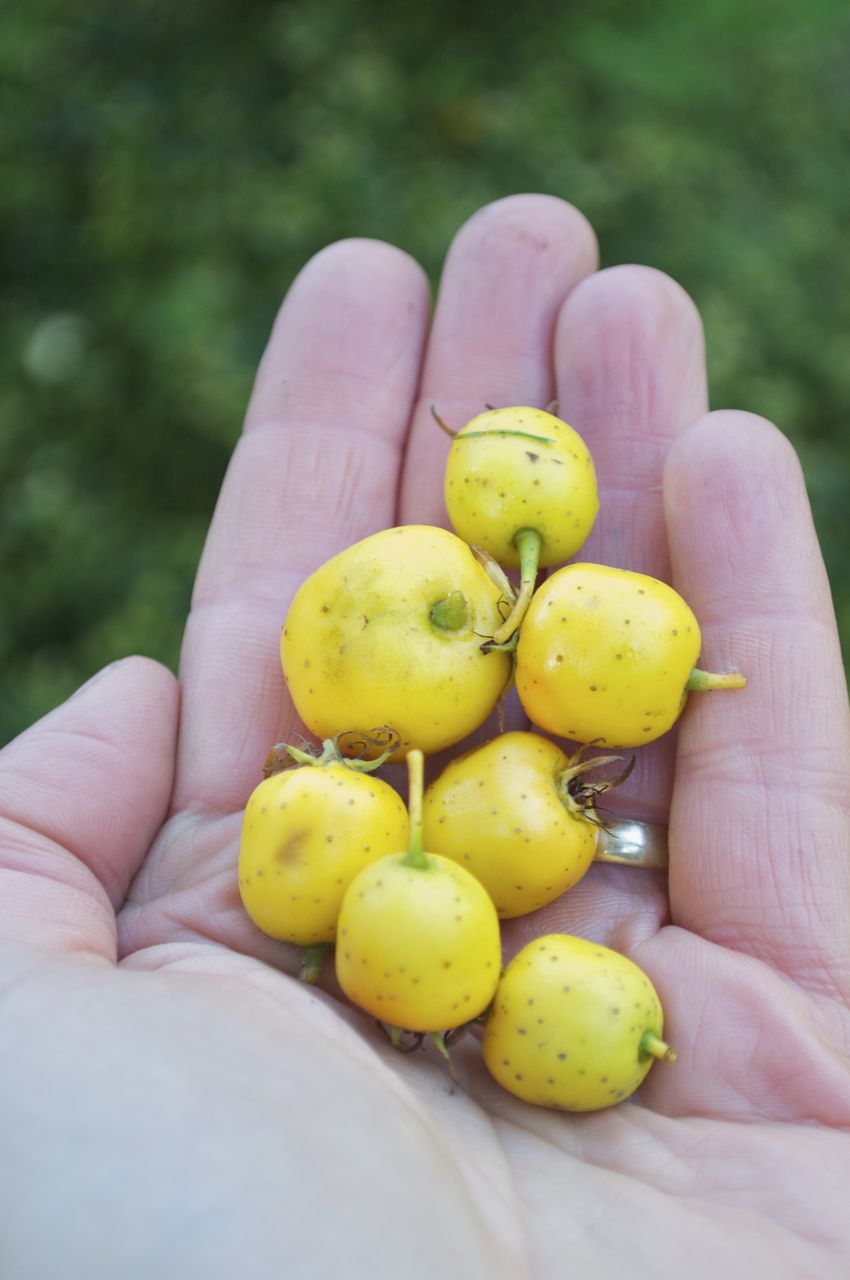
National Botanic Gardens, Glasnevin, Dublin, November 17th 2012

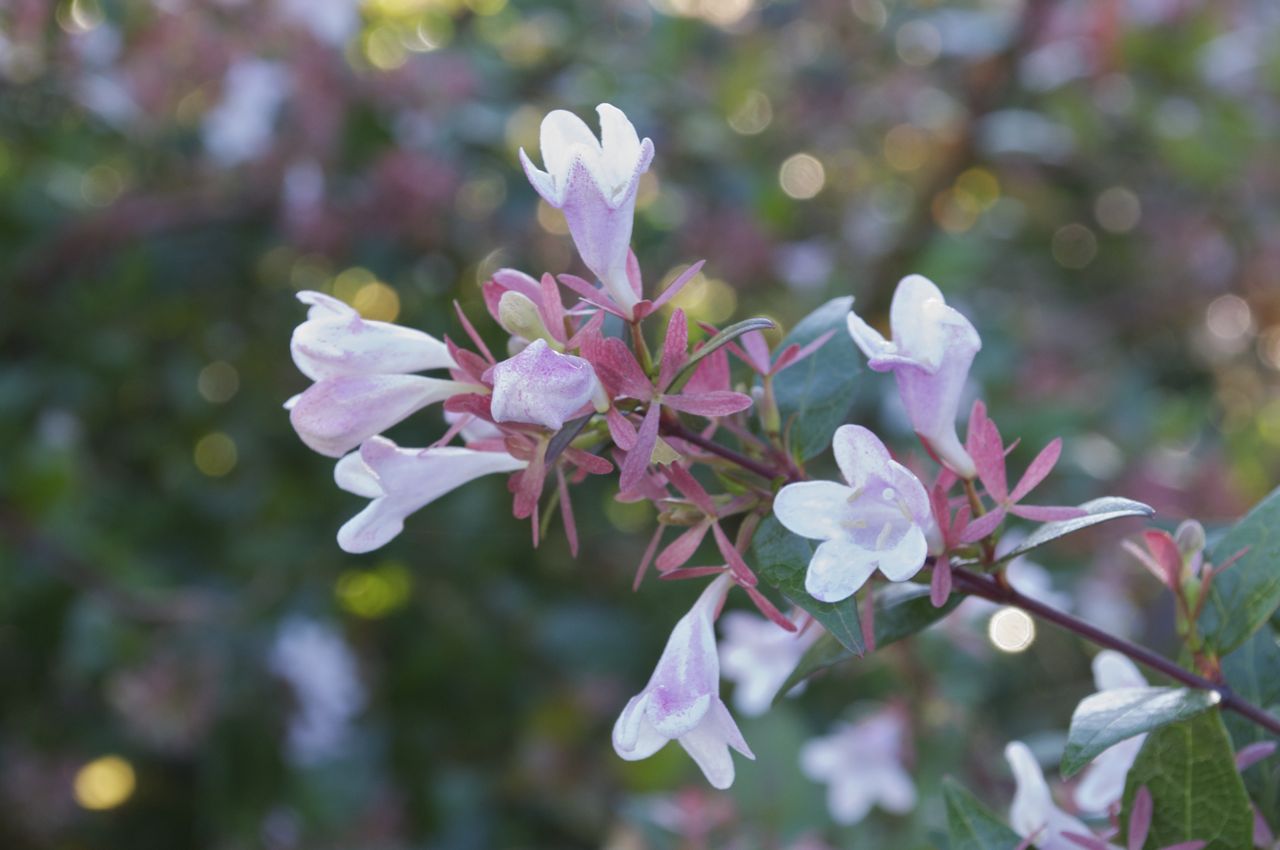
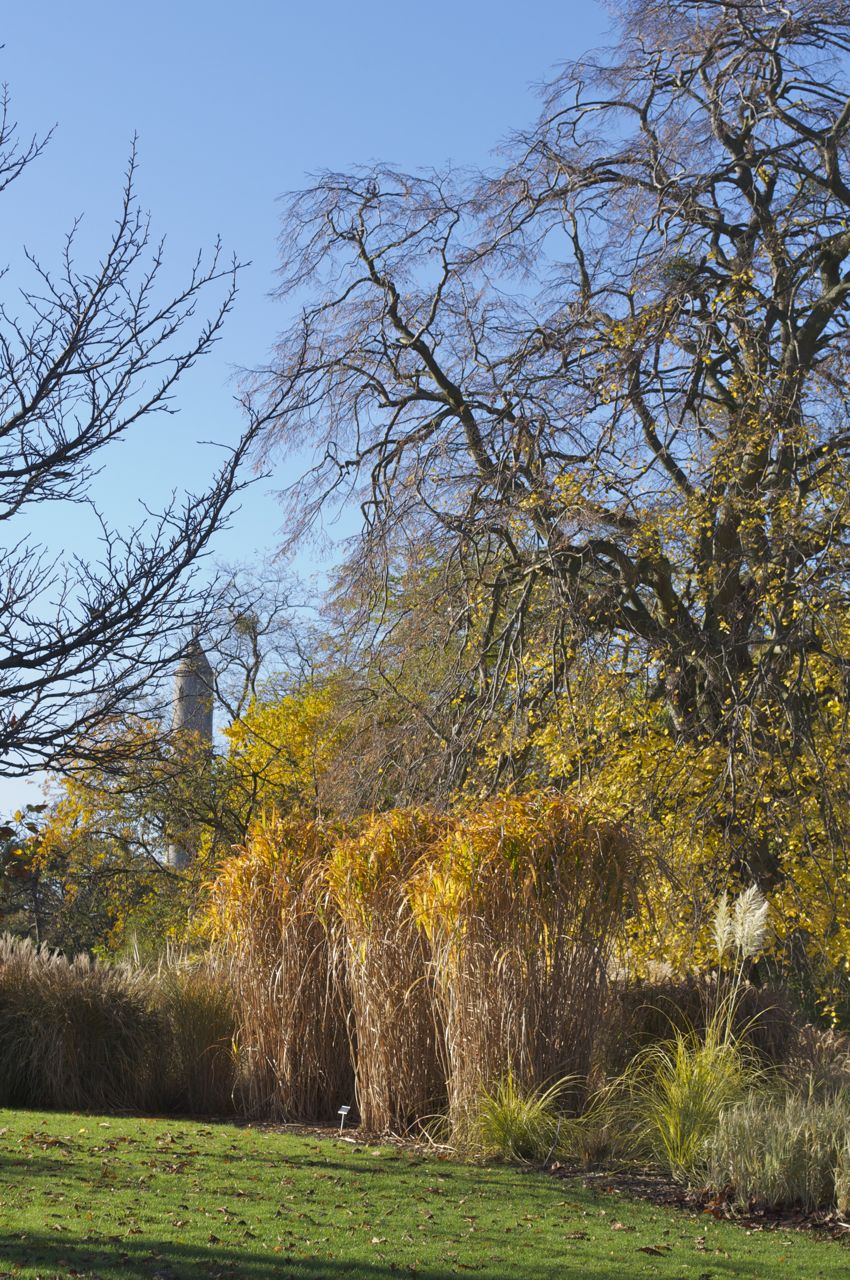
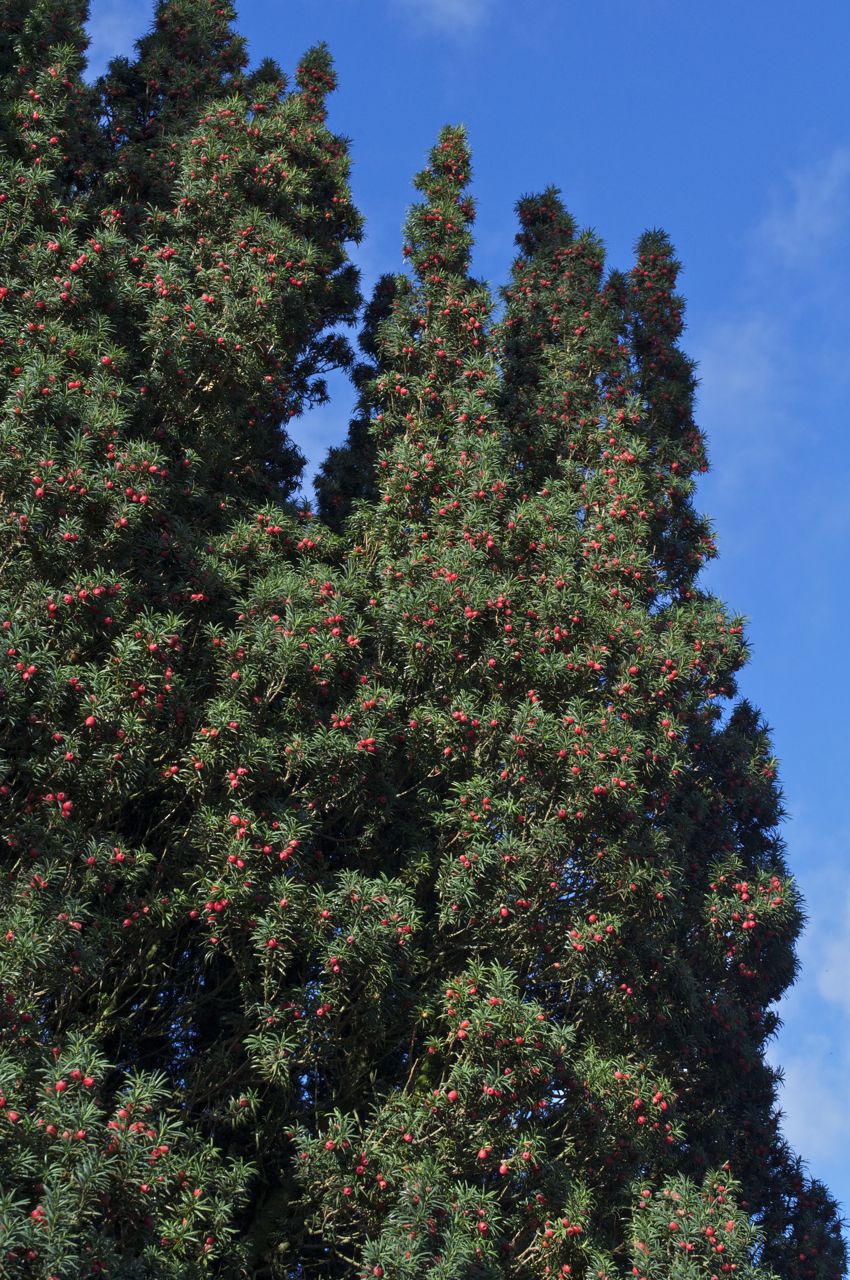
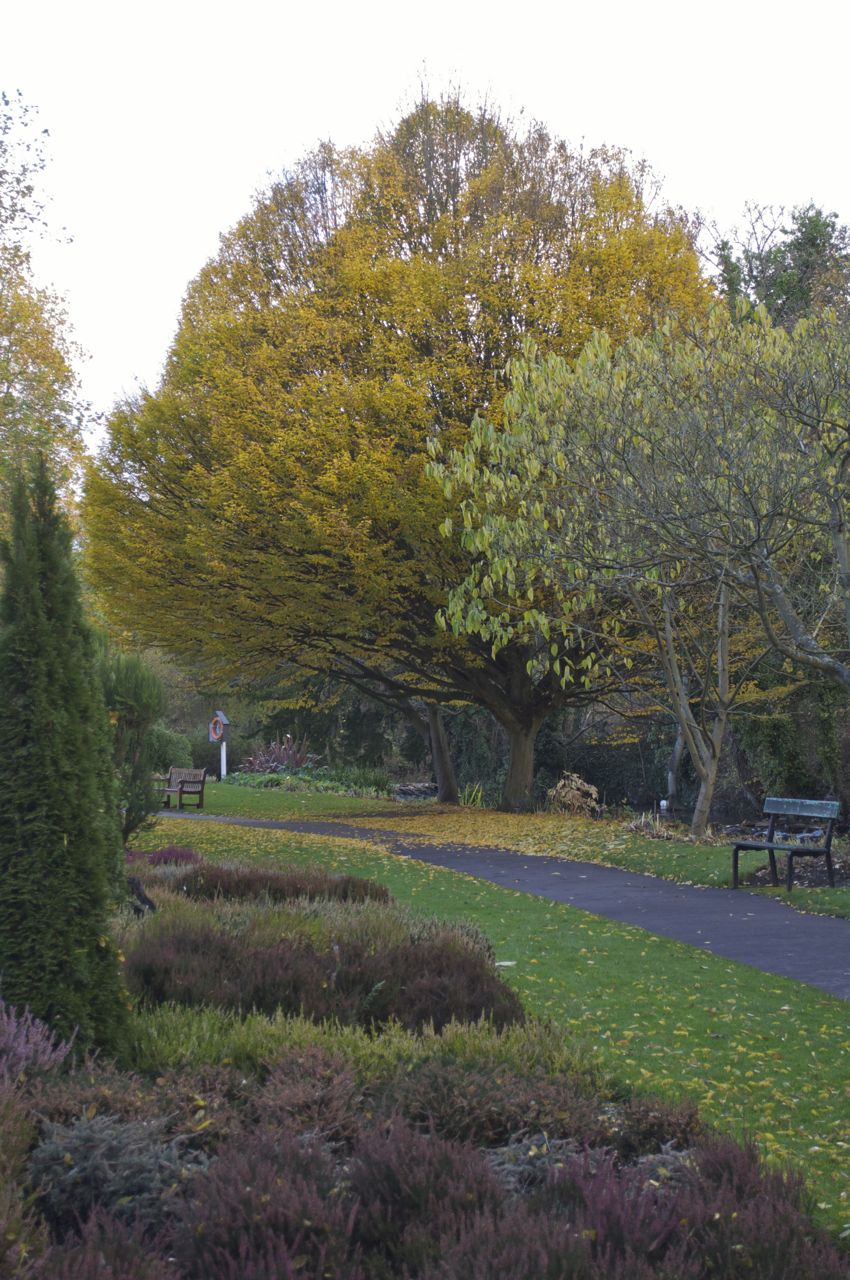
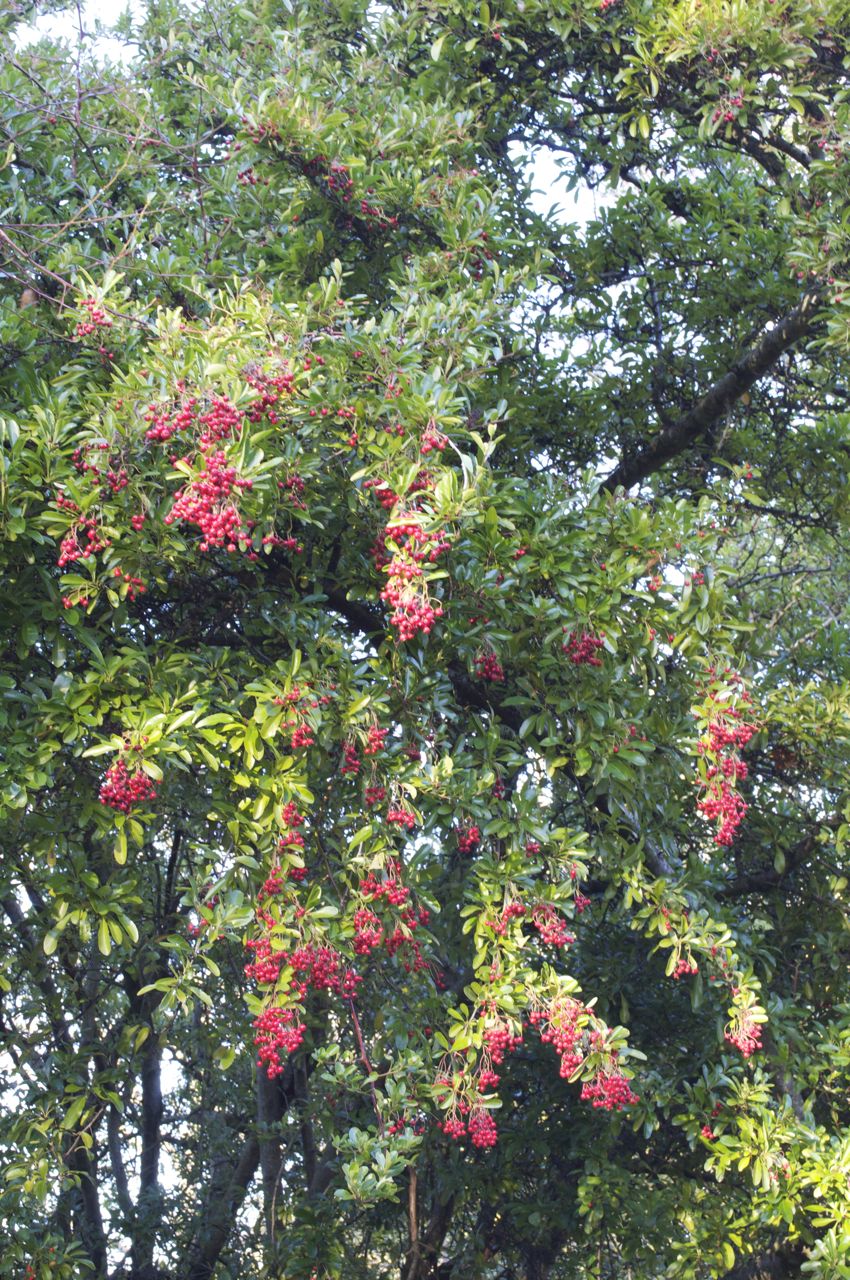
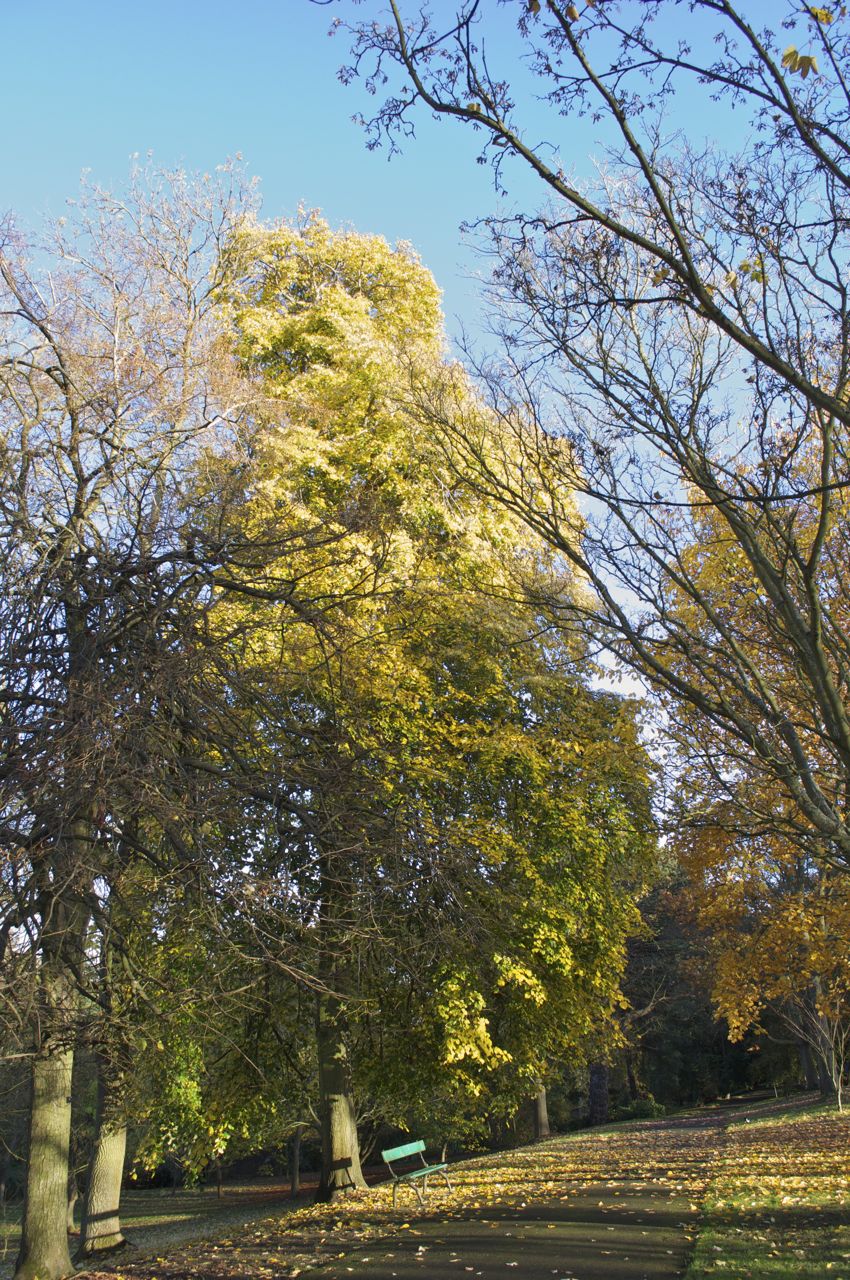
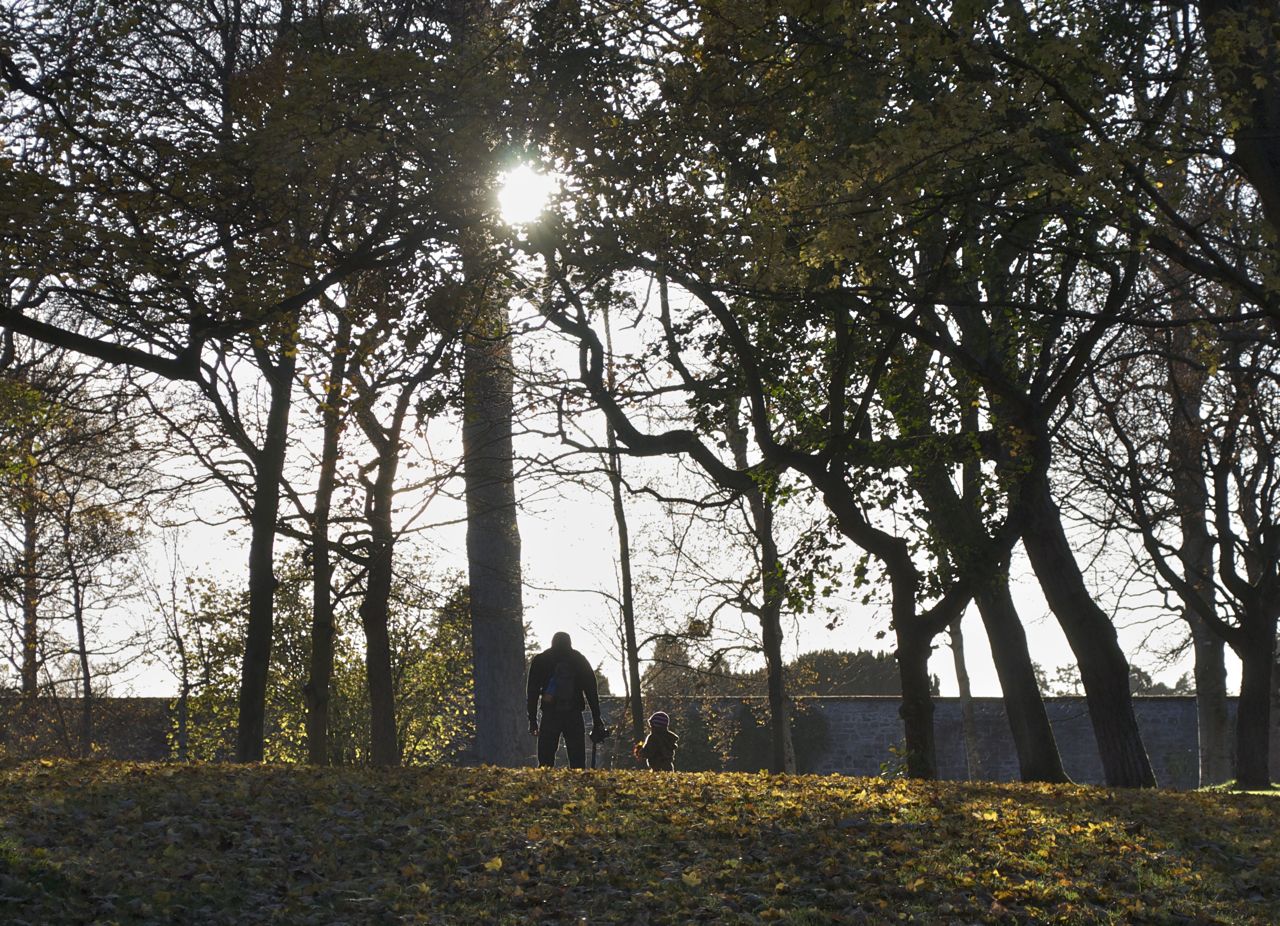
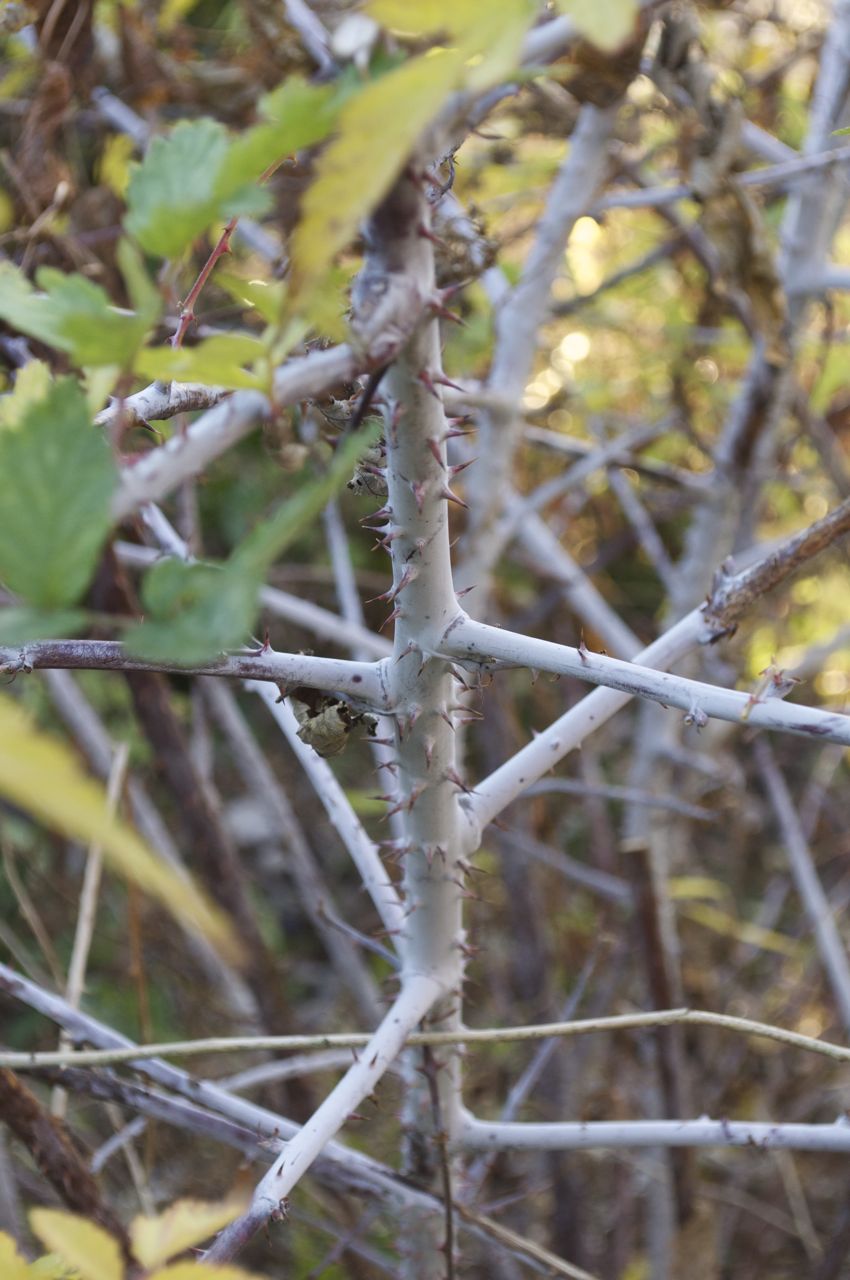
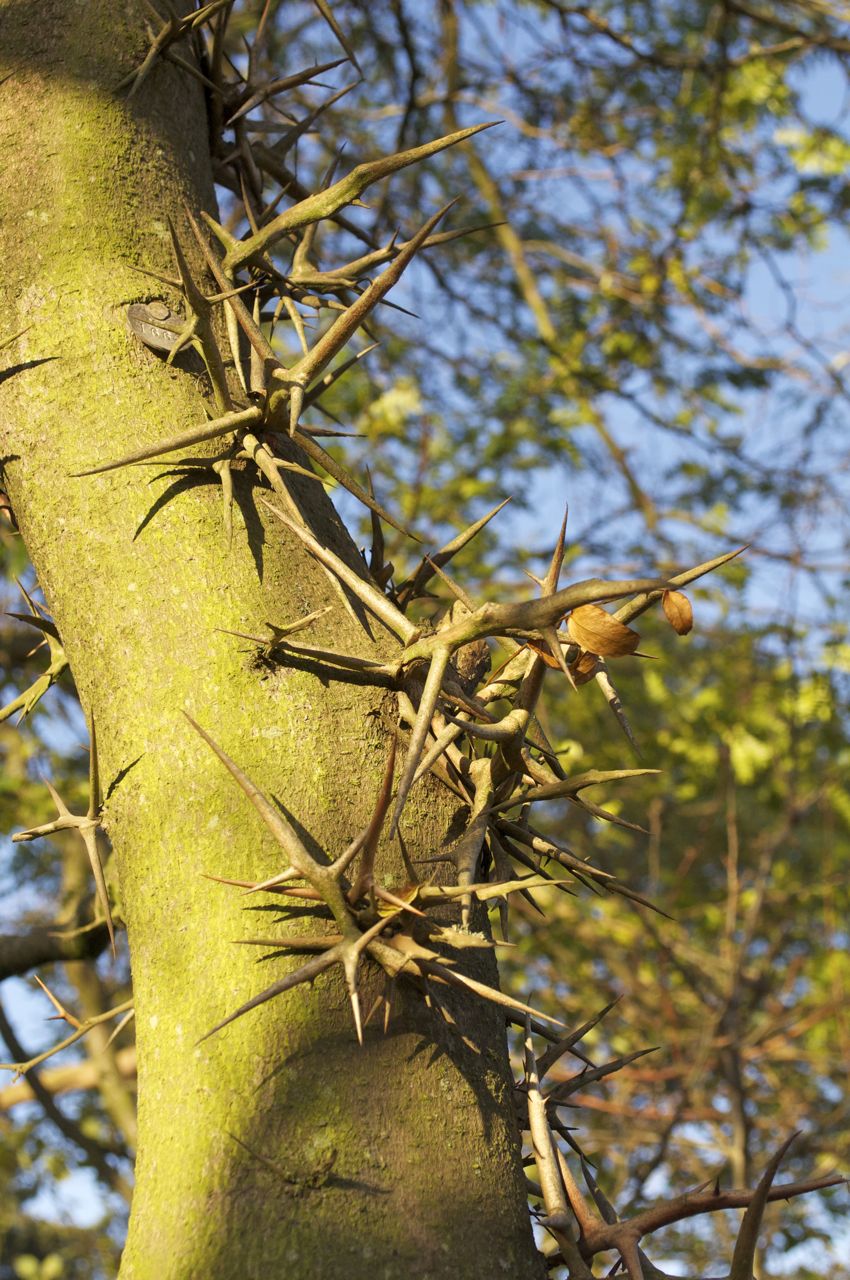
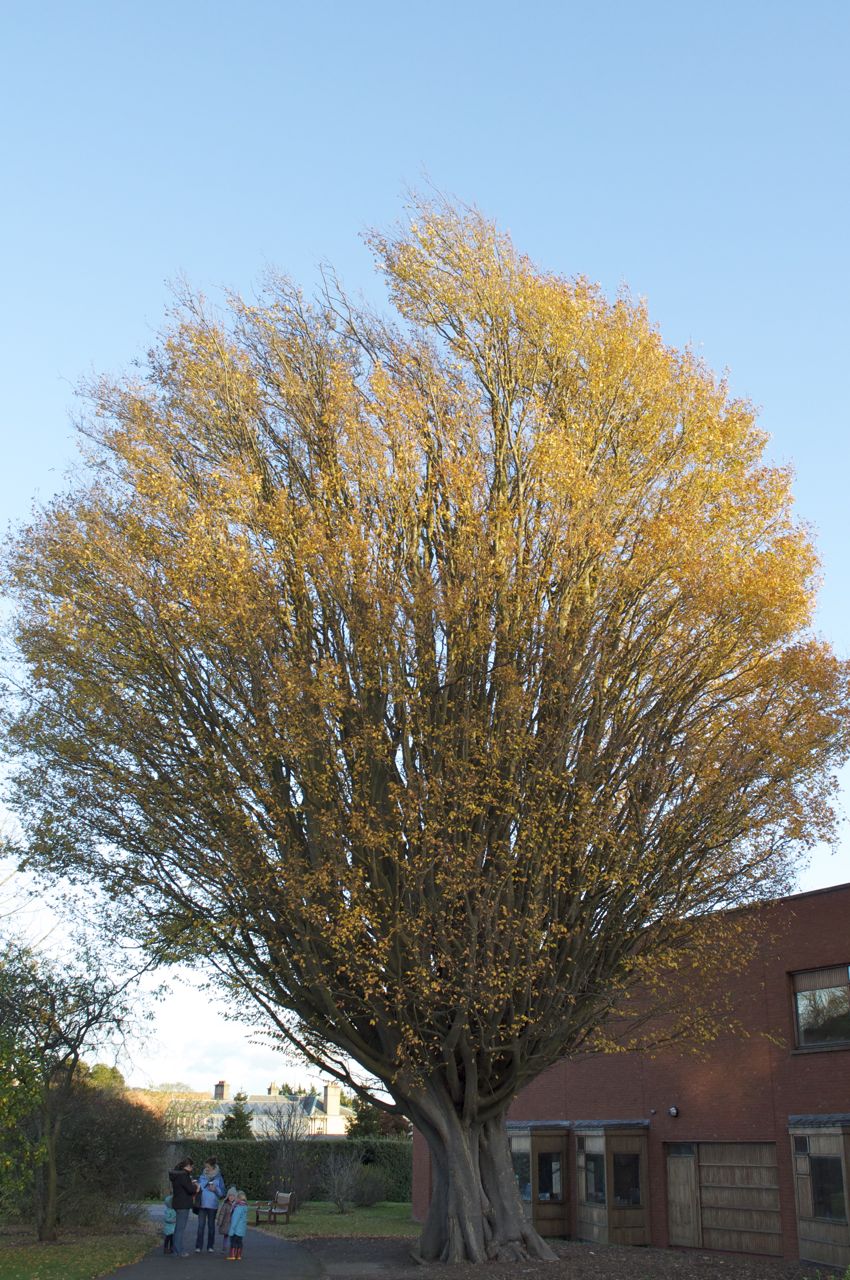
A beautiful sunny day in the National Botanic Gardens. I was there with students today. Lots of nice autumnal colour, some flowers and fruits too.

















Share this:

Lonicera nitida – learning to love it
I thought it was a box hedge that we were chopping. We had a saw, a shears and even an axe. It was a family event. My dad was cutting the thick stems with the saw while questioning the wisdom of the act. My mother directed the operations, ensuring him that it had to be done. I chopped up the cut stems with the shears, The axe lay on the ground unused, but at least we prepared. I piled the chopped stems into a wheel barrow and trundled them to the end of the garden.
My barrow was piled high, too high! For I was eleven and eager to prove that a boy that skinny could do the work of a man! My twiggy load seemed to mock my twiggy frame and although it was not heavy, my over loading made it an unsteady burden. Loose leaves blew in the wind. Branches grabbed onto other shrubs as I passed, as if clinging to another plant would some how give them a reprieve from their compost heap destiny. Occassionally the shaky pile of stems would dive over the side, like they were desperate to avoid their fate. I would be devastated by my latest failure, quickly looking around to ensure their was no witnesses to my embarassment. Quickly I would pile them back on top of the barrow. After throwing them unceremoniously on to the pile of garden debris that we fancifully called a compost heap I ran back with the empty barrow to impress everyone with my speedy work rate.
That is one of my earliest memories of my many encounters with the hedge that bordered my parents front garden and the Daly’s next door. Seven years later I would learn that the hedge was not in fact a box hedge as my father called it but a hedge of Lonicera nitida. My dad was not alone in this misguided nomenclature, many people refer to the honeysuckle relative as box, real box hedge is another unrelated plant called Buxus sempervirens. If previous owners of the home of my childhood had planted real Box hedge instead of Box-leaf honeysuckle, then we would have had less hedge butchering days, much less trimming and a much neater line of continuos shrubs that we call a hedge.
The previous owners planted Lonicera nitida as a hedge, perhaps also the misapprehension that it was a box hedge, hoping to emulate the neat trimmed hedges of large country estates and fine gardens pitured and described in gardening books. Many people around the country did the same, the unruly stems carrying tiny dark green leaves protrude from hedgerows all over the country side, further investigation usually reveals a derelict cottage hidden from view by the hedge. I guess that the untidy Lonicera was widely planted in late forties and early fities. The ruins of the houses lie lifeless and empty while the hedges thrive unbounded by human intervention, their scrawling twigginess thriving with neglect. If one did not understand the history of rural Ireland you might think that the occupants of the houses left because they could not keep their hedges under control, but their emigration was due to economics rather than gardening troubles.
Through my teenage years the daunting task of trimming the front hedge became more punishment that fun. After my college days and when my gardening enthusiasm had been inspired, the front hedge was still viewed with a degree of dislike. It grew so fast, that any misplaced belief that our hedge could resemble a neat Box was shattered by time I had to give it its third or fourth trimming during the summer. Lonicera nitida does not do neat, at least the ones we have in our gardens in Ireland
When reading the invaluable tome that is W.J. Bean’s Trees and Shrubs Hardy in the British Isles, I found out that the Lonicera nitida clone that we grow is much less suited to being a neat hedge than a form of it that grows in Germany. The plant introduced by the prolific plant hunter Ernest H. Wilson at the dawn of the 20th century. There are different forms, some much slower and neater growing than the one we have in common cultivation. Its typical, the Germans get the neat tidy well behaved plant, and we Irish grow the wild, untidy, disorderly form.
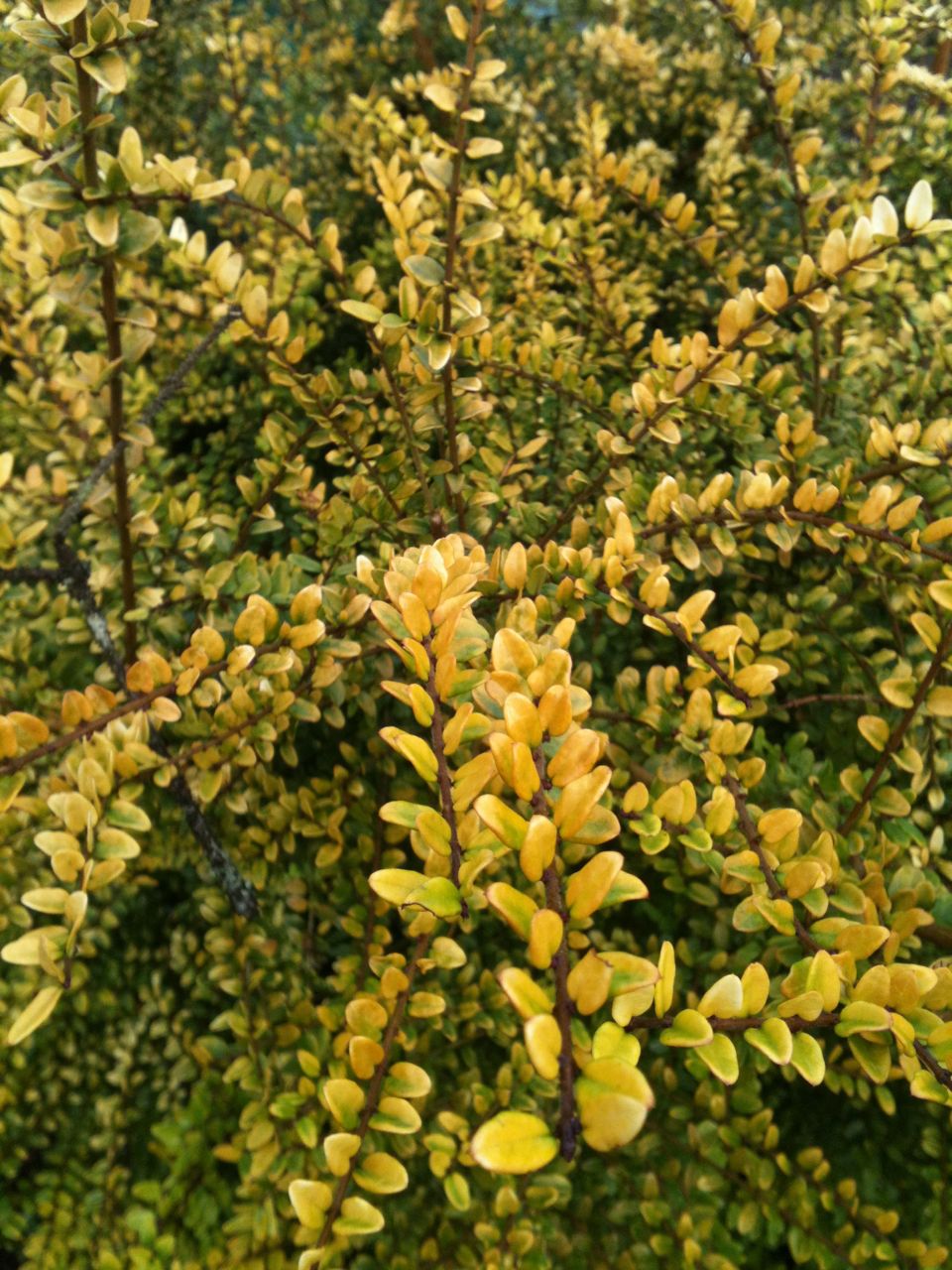
Not quite as comon but still widely grown is the form with yellow leaves, Lonicera nitida ‘Baggesen’s Gold’. This plant I treated with the same disrespect that I had for the green leaved plant. It has the same bad hair day outline, but a warm golden presence. Gradually I started to view it in a new light. I realised it does not want to be clipped into a defined line, it is a bit like an eleven year old boy, much happier with messy hair and dirty pants than with grooming and shirt and tie. I planted it in our yellow border, it grew with vigour as one would expect, the shears was kept at long distance and its branches grew without hinderance. Now it fills it space with character and colour, as it grew in the garden, it grew on me.

Last week I had to dig it up, I did so with great care as its move is only temporary. It had to make a journey to a temporary home until work on our ne wooden building is completed, our new classroom. So once again I was trundling with an over flowing wheelbarrow of Lonicera nitida, this time the fate of the Lonicera is for much better, replanting rather than compost. An this time the wheelbarrow did not topple, at least no one saw it topple.
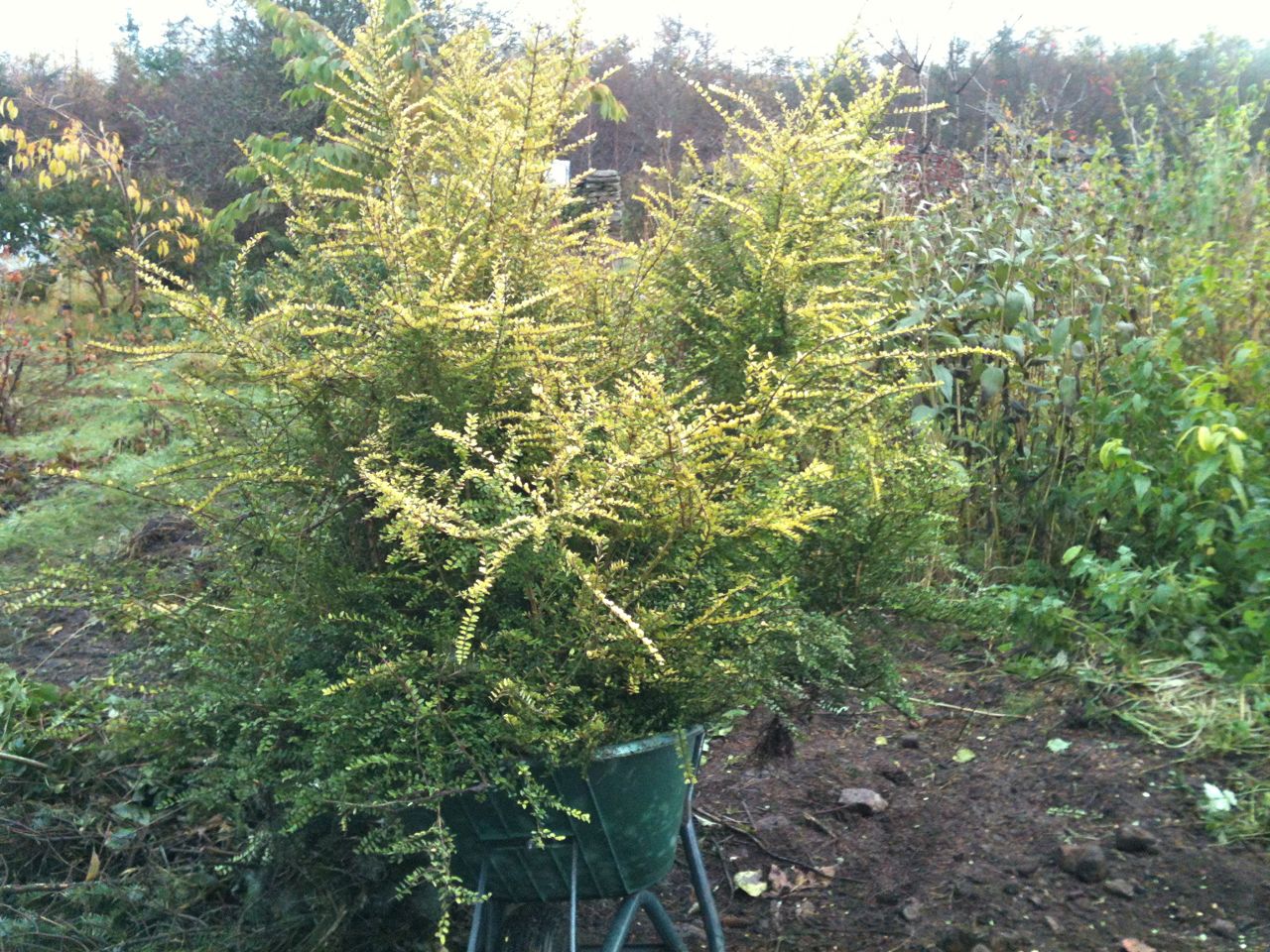
Now when I travel along a country road, I enjoy the sight of the dark green untidiness that is Lonicera nitida. I am pleased with its character, they refuse to be bound by strict regulation, they wont be told what to do, they shrug off imposed rule, they enjoy their freedom. Long live Lonicera nitida.
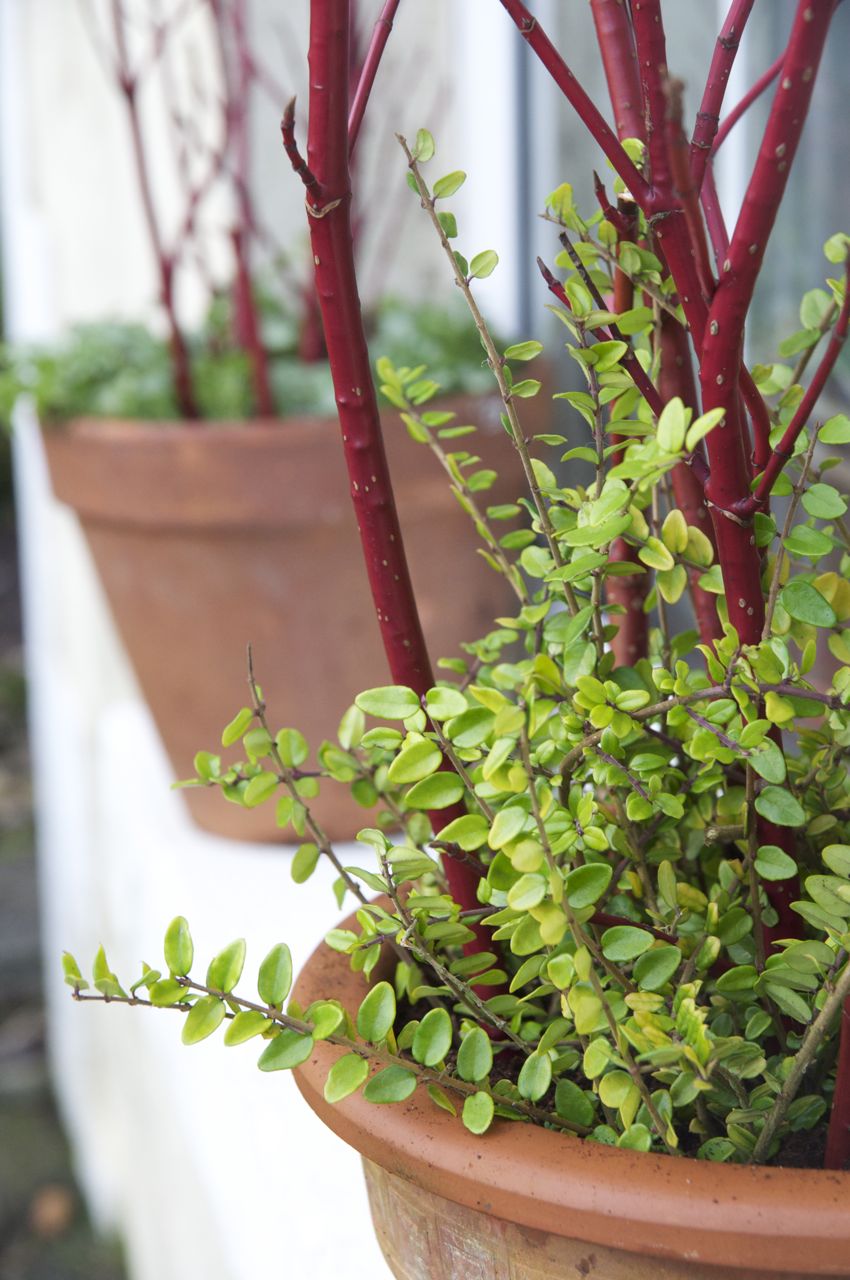


Neils Baggesen
Niels Baggesen was Danish and that he established a nursery in Cardiff after working at Kew this was in the early 1900s. He later established a nursery in Pembury, kent in England. It is here that he first came across a single plant of Lonicera nitida with golden leaves. According to Neils Baggesen this occurred after the war, the introduction date for the cultivar is given as 1967. Lonicera nitida ‘Baggesen’s Gold was awarded an Award of GardenMerit (AGM) by the Royal Horticultural Society in 1993. Sadly Neils had died before the event.
Here is a link to an interesting tribut piece to ‘Baggesen’s Gold’ LINK
Share this:

Come on baby, light your fire…
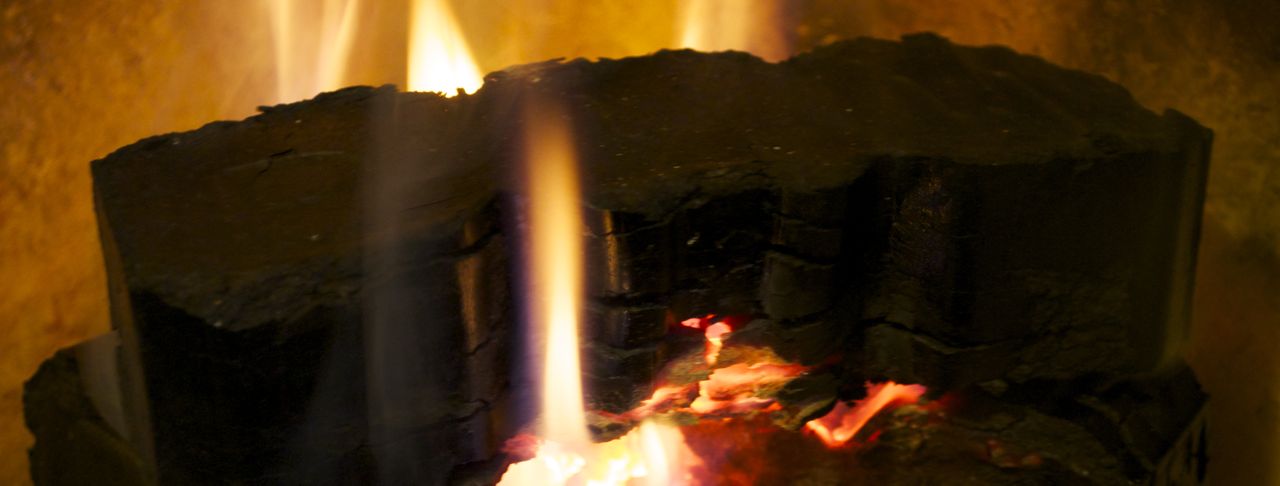
Now that the winter is here, hardly a day goes by when we don’t light the fire. It is almost the first thing I do when I get up in the morning. I push the red embers from the previous evening’s fire in the grate and add a layer of new peat briquettes. To get the fire started quickly I usually add a firelighter. I hate them, they are smelly and messy, and not very good for the environment. For the most part, they are made of paraffin wax. Some manufactures add small amounts of kersosene or other light fuel to the wax in order to make the product more flammable, yuck!
There are a couple of brands which are Eco-friendly versions, they smell much better and work well, but they are not easily found in supermarkets in the west of Ireland. So it was with great interest that I viewed the pictures on a Finnish blog that Hanna showed me. Home made firelighters that used old egg cartons and old candles, that when made looked like roses. Made completely from recycled materials, stuff that is otherwise waste. Too good to be true? Or maybe they actually work. Well, we decided to give it a try…

Rose Firelighters “Recipe”
Ingredients:
- Old egg cartons
- Cardboard centres from toilet rolls (optional)
- Old stearin candles
- Water

Method
- In an old sauce pan heat up some water. Meanwhile cut an old egg carton into pieces but retain the individual compartments that hold the eggs. Separate the compartments and fill the shredded cardboard into each piece, placing them vertically. When finished they look like cardboard roses. (Note: not all egg carton compartments have a wall all around. In this case, take a centimeter of toilet roll cardboard and insert the egg carton into it to hold it.
- Take a strip from the egg carton about 10cm long and roll it into a spiral to make the centre of the rose. Then rip small pieces of the cardboard and insert them vertically between the spiral and the outer wall. Pack them so that they hold together and resemble a rose flower. We got four from a 6 pack.
- When the water is boiling add in pieces of old candle wax, candle wax is usually made from stearin and not actual wax. The stearin will start to melt and form a layer on top of the water.
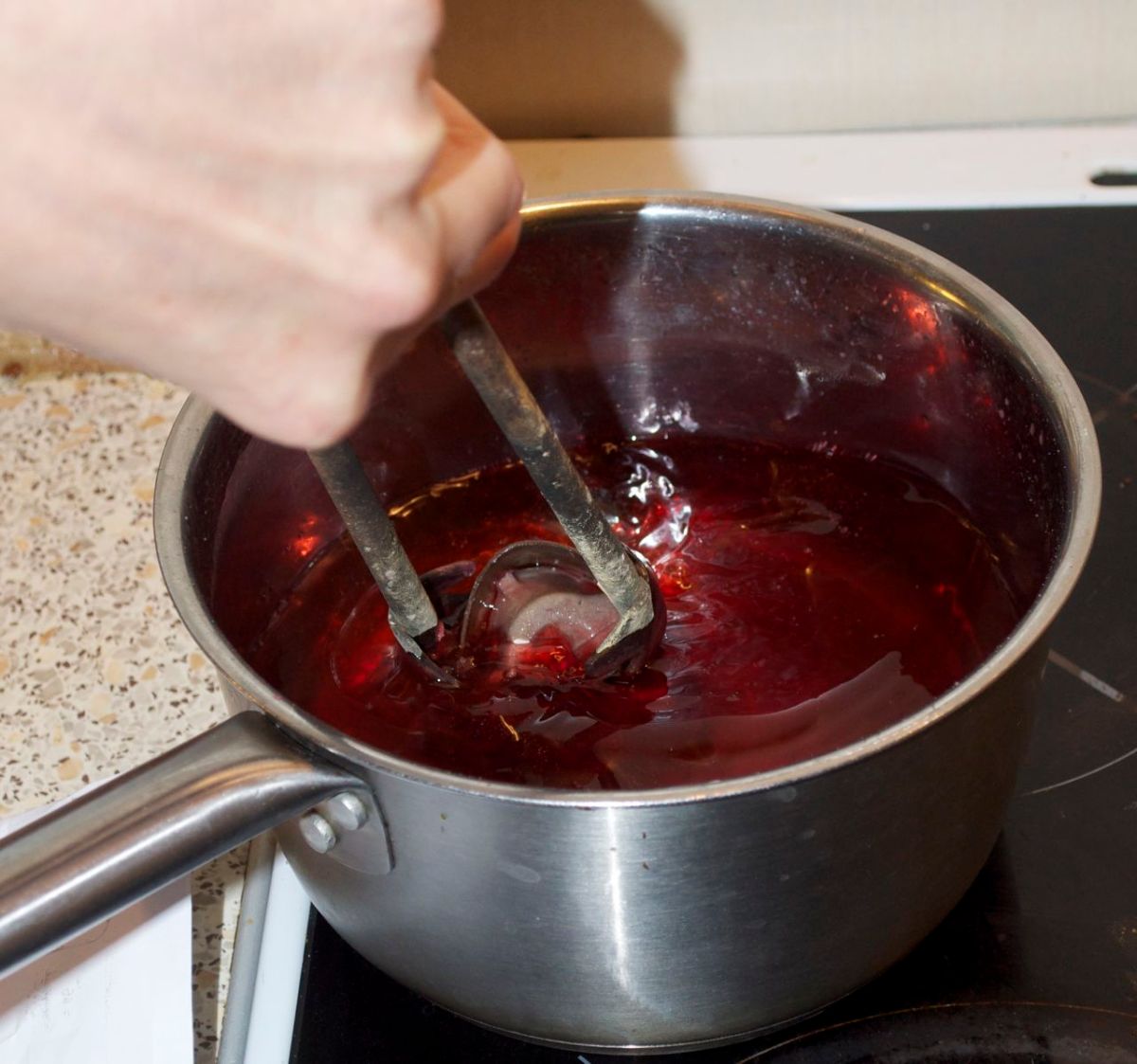
Dipping the cardboard “rose’ into the pot of melted styrene - Use a tongs and carefully dip the cardboard rose into the liquid. You dont want it to get too soggy and fall apart.
- Remove from the liquid and allow the excess to drip back into the pan.
- Set aside on a piece of paper and repeat the process for each cardboard rose.
- Dip each rose into the styrene liquid three or four times each to ensure a enough has soaked into the cardboard. Allow them to dry on some paper.
- When the styrene has dried onto the cardboard they are ready to use ( a few hours).


So this morning as I wandered to the fireside I was greeted by the sight of four of the prettiest firelighter I have ever seen, looking much more like ornaments than pyrotechnical materials. So I prepared the fire with peat briquettes in the normal manner and inserted one of the firelighter roses into the middle. Lit it with a match and waited to see, flames took hold of the rose and ravenously licked the dark peat briquettes, smoke lazily rose toward the chimney, it was looking good. I went and put the kettle on, checked my various social media and then returned to the fire place. Yes, we had smoke and flame, we had fire. They work!

.
Share this:

Tom’s Tom- From red centiflor to little yellow pear

A few years ago we sowed some seed of a Tomato, the variety was called Tomato ‘Red Centiflor’. We purchased it from Irish Seedsavers Association. It grew well, a tasty little tomato. It bears its fruit in big clusters. The trusses, the fruiting branches f tomatoes, are packed with a huge mass of flowers and bear masses of small red fruit. We saved some seed of our own. Some of it we gave to my Dad, Tom.
The following year our seeds germinated and grew as we expected, masses of tiny red fruits on large trusses, but one of Tom’s plants of ‘Centiflor’ produced not round, but plum shaped red fruit, nice. In all other respects it was the same as the original variety, but the shape was like a tiny plum tomato instead of round. That is the nature of seed raised plants, genetic variation can lead to variants, new varieties. We encouraged Tom to save some seed. We sowed some seed this spring and the couple of plants that we grew produced masses of flowers in large trusses, and when the fruit appeared they were plum shaped, actually more like pear shaped.
It grew all summer and when towards the end of the miserable season the fruit eventually ripened they were yellow, not red! So from round red ones they have changed to plum yellow fruits. So this year we will save some seeds and see what comes up next year.

I want to keep the yellow pear shaped centiflor going so before the frosts finally put an end to the plants in the polytunnel I took a few side shoots off to make cuttings. Cuttings are clones, no variation. Tomato cuttings root very easily, even in a little water on the windowsill. I will try and keep it going through the winter and plant it in the tunnel next spring when the weather warms up again.
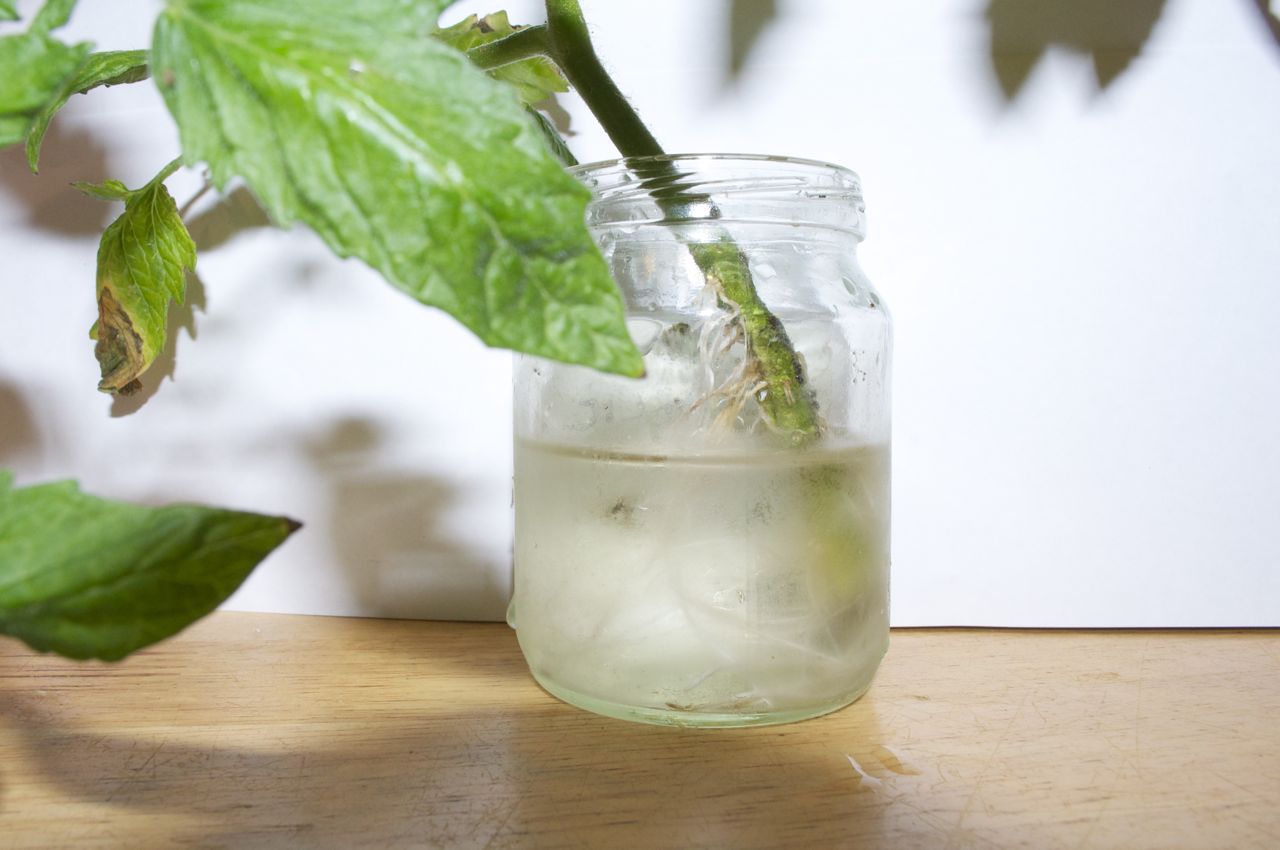
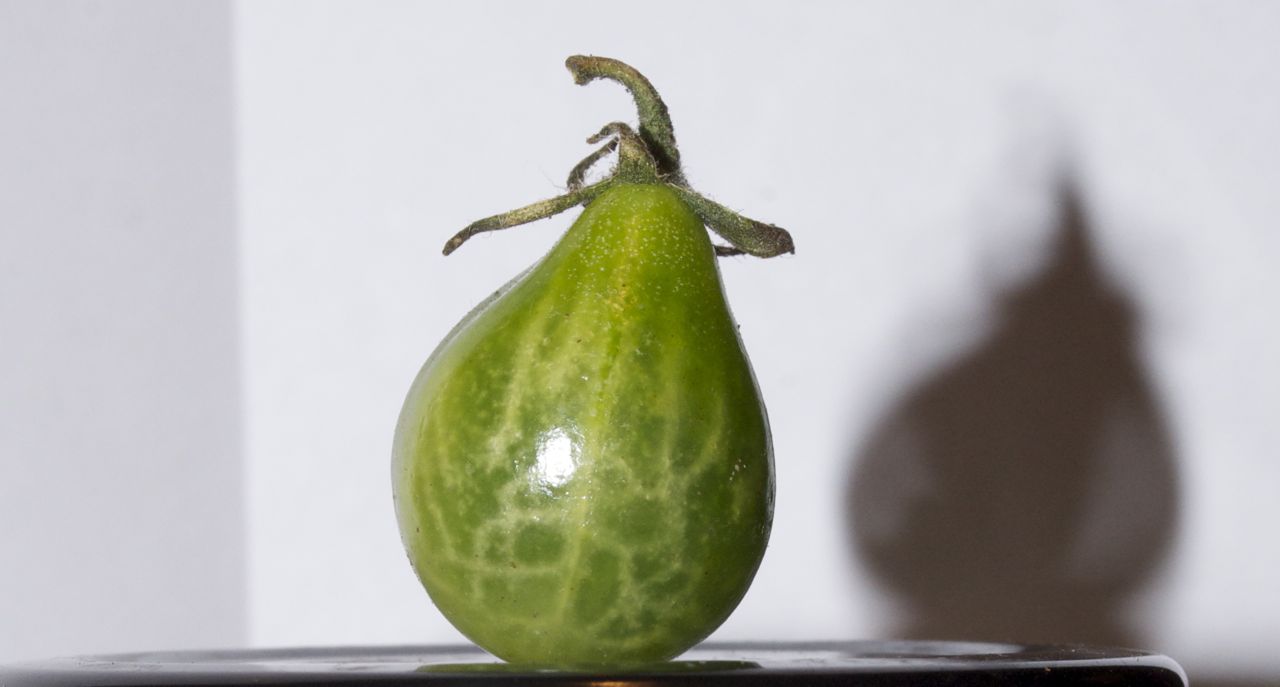
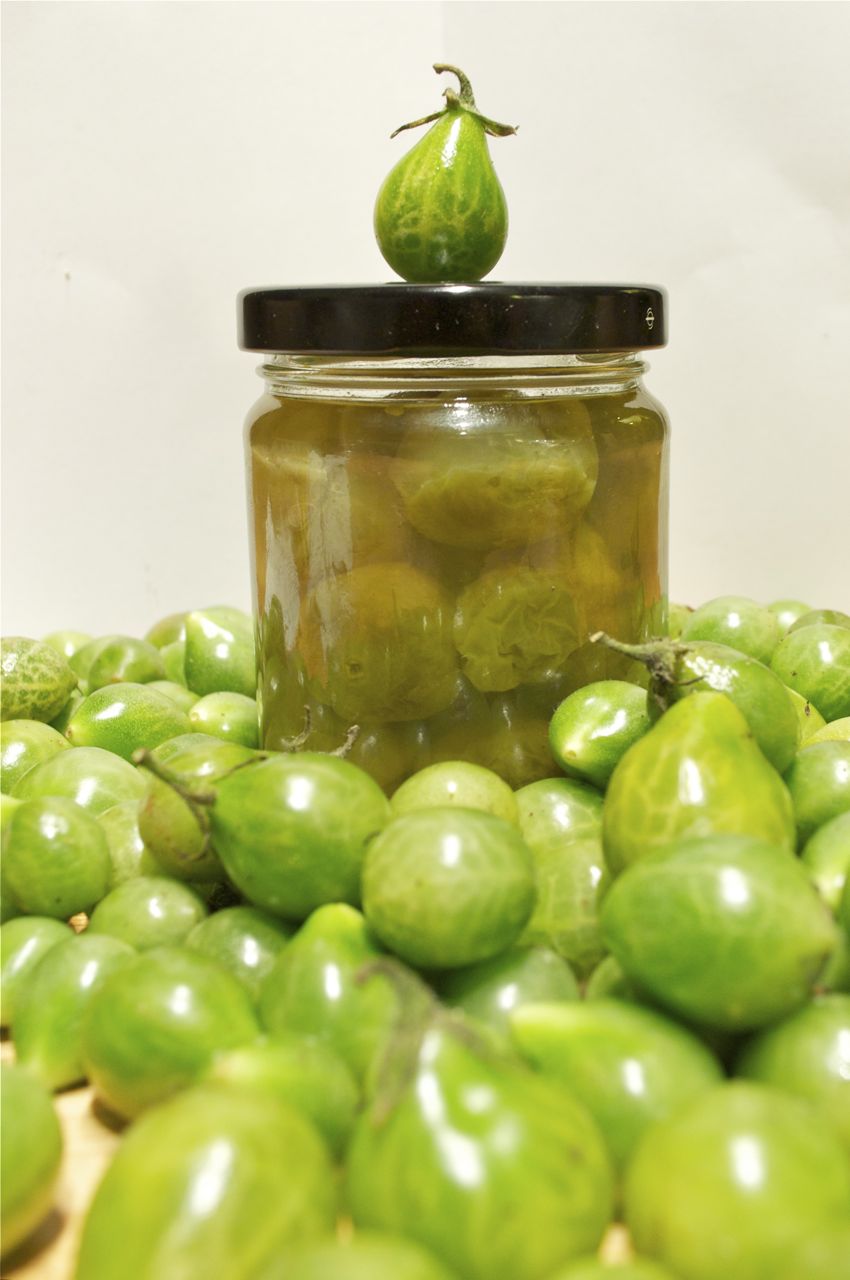
In the meantime, I will pickle the green fruits that I harvested yesterday using Helsinki Granny’s recipe that I used before. The small funny shaped fruit will look great in a jar and taste delicious with cheese.
Irish Seed Savers Association –LINK
Share this:

Finnish Style Cabbage Bake – Recipe

Some of the heads of cabbage in the garden are too big to use all at once. We cut a head of the white winter cabbage today, I was messing around with it when I brought into the kitchen, It was bigger than my head! Somehow from that Hanna was inspired to make a cabbage bake, Kaalilaatikko. The Finns have lots of laatikkos, not just cabbage but turnip, potato and carrot. All of which are a big part of the Finnish Christmas dinner. In addition there are beetroot, sauerkraut and even liver… Laatikoos are all quite similar, the main ingredient is combined with barley or rice, syrup, cream and topped with bread crumbs and baked in the oven. Thankfully I have not had to endure a liver version but I am very fond of the turnip, carrot and potato versions. So when hanna suggested Cabbage laatikko for dinner I was more than happy to help out with some cabbage chopping…

Our version of Kaalilaatikko is not loyal to the traditional version which includes minced meat and cream, we substituted green lentils seasoned with soy sauce and balsamic vinegar for meat and soya milk for cream. And on the top we used crushed Finn Crisp for bread crumbs, a rye based crisp bread, like a very thin Ryvita. They are available in shops in Ireland.

Ingredients
- 9 cups of finely chopped white winter cabbage
- 1 cup of green lentils
- 1 medium onion finely chopped
- 2 cloves of garlic
- 1/3 cup of brown basmati rice
- 1 cup of soya milk
- 4 Finn Crisps (2 Ryvita)
- Butter
- Oil for frying
- Salt
- Pepper
- Teaspoon of dried thyme
- 1tbsp of balsamic vinegar
- 2 tsp of soy sauce
- 2 tbsp of golden syrup
- 1 tbsp of dark treacle

Method
- Soak Lentils for a few hours in plenty of water, then sieve and rinse.
- Cover lentils with water with some salt, boil hard for ten minutes and then reduce heat to simmer until the water has boiled off and the lentils are soft.
- Add vinegar and one spoon of soy sauce to the lentils.
- Par boil the rice for 10 minutes.
- In a separate sauce pan sauté the onion until soft then add the cabbage and stir fry for a few minute until it starts to become tender.
- Add salt and thyme.
- Add the rice and lentils to the cabbage.
- Mix the treacle and golden syrup together and then add to the cabbage, stir well.
- Transfer to a buttered oven dish with lid.
- Pour in the soya milk and stock (we used beef stock).
- Sprinkle with crushed Finn Crisps and add a few small knobs of butter.
- Cover with lid.
- bake in oven at 175 degress Celcius for 60 minutes.
- then remove the lid and bake for a further 15 minutes until the top had turned golden brown.
- Serve with lingon berry jam. We also had Hawthorn and Apple jam. You could use cranberry instead.

Share this:

Euphorbia nematocypha add fire to the herbaceous planting scheme

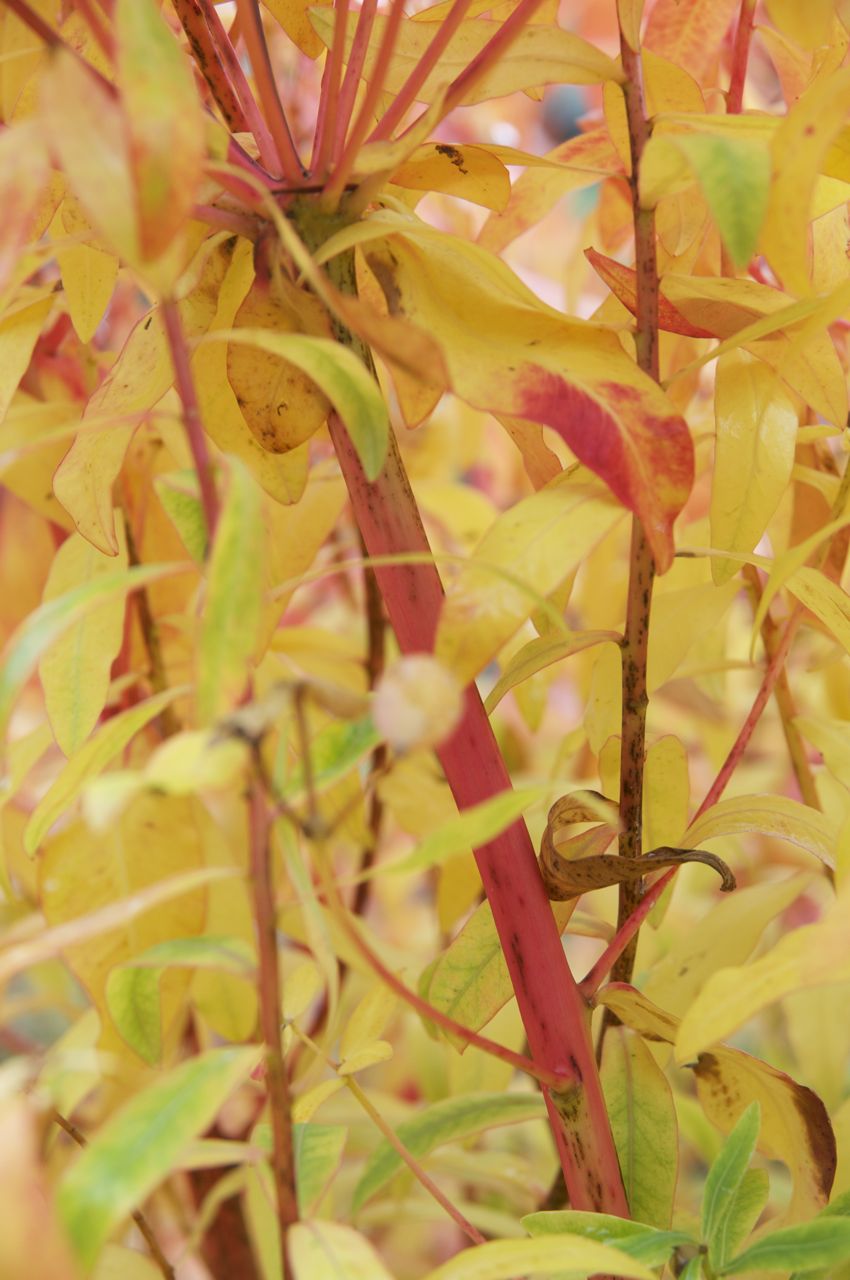
Sulphur yellow flowers, bushy growth, intense autumn colour and bright red stems. Hardy too. This is Euphorbia nematocypha, a superb spurge for Irish gardens.
Each spring the strong upright growth of the red stems is topped with bright yellow flowers and bracts. The flowers last well into summer and give a fantastic display but the highlight is the autumn show. The green leaves turn to burning orange and red over many weeks through October and early November. Today in our garden, under low and moody grey skies it is luminous. As the leaves start to fall, the bright red stems are exposed, an added bonus to be admired into winter.
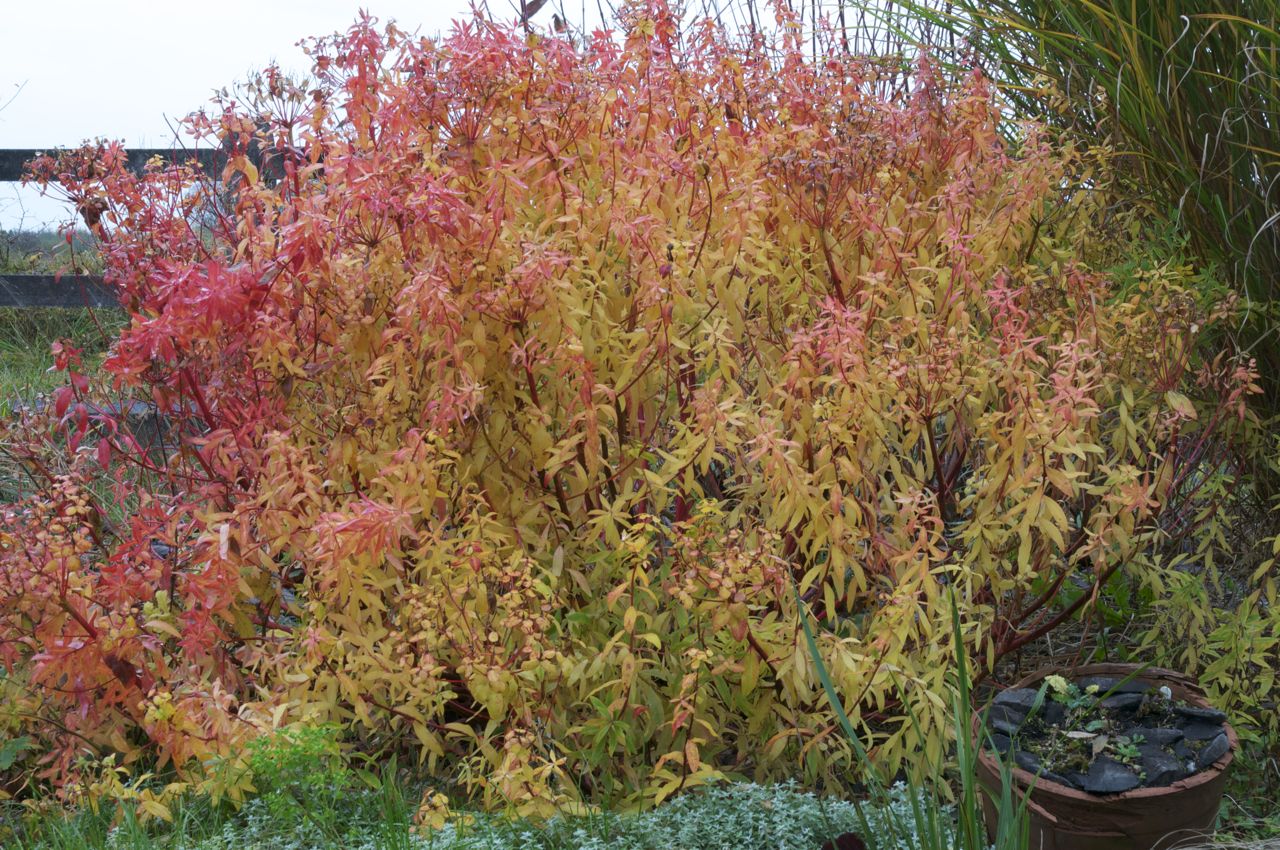
The plant is perfectly hardy, I had it in my garden when I lived in Dublin and took the plant with me when I moved to Mayo nine and a half years ago. Here it has thrived, happy in all weather in its sandy soil home. Unbothered by any pest, ignored by diseases, never watered, never fed but never neglected, it thrives with only a cutting back in late winter to tidy the way for new growth to emerge in spring.
I remember the November night I first acquired this plant. I had had a few ciders. Not the usual circumstances for purchasing a plant. It was in Termonfeckin, Co. Louth, the occasion was the Alpine Garden Society Dublin Group Annual weekend. Two days of fabulous lectures, plant sales and on the Saturday night, the after dinner auction. Held when we all had finished wine with dinner and enjoying drinks from the bar.
I out bid my rivals for a bedraggled plant recently lifted from a members garden, purchased on a verbal description and an auctioneers praise, I think I paid ten pounds. The donor of the plant said to me afterwards that if he had known I wanted the plant he would have dug some from his garden for me for free. The auction money goes to the society so it was for a good cause.
The Euphorbia nematocypha at that time, I think it was 1998, was a very recent introduction from China. Only in 1994 had seed been collected on the Alpine Garden Society China Expedition (ACE). To raise funds for the expedition, members of this English based society, bought shares which entitled them to a quantity of seed collected on the expedition. The plant which I bought in the auction was one of the fruits of this trip.

Seed was collected from plants growing on the Zhongdian Plateau, where it grows with Iris bulleyana. In June 1996 the AGS quarterly bulletin was dedicated to the expedition, it was filled with reports and information about the plants collected. Two different collection numbers E.nematocypha ACE 292 and ACE 412 are referenced. I do not know from which number collection my plant is from, the original hand written label accompanying the auctioned plant is lost. In the bulletin the writer, Elizabeth Strangman, recommends this as a plant that has “a lot going for it”. 16 years later I can say that I certainly agree, it is one of my favourite plants in our garden.


 Ciaran The Gardener