Growing A Stir-fry part 2 – Chop Suey Greens

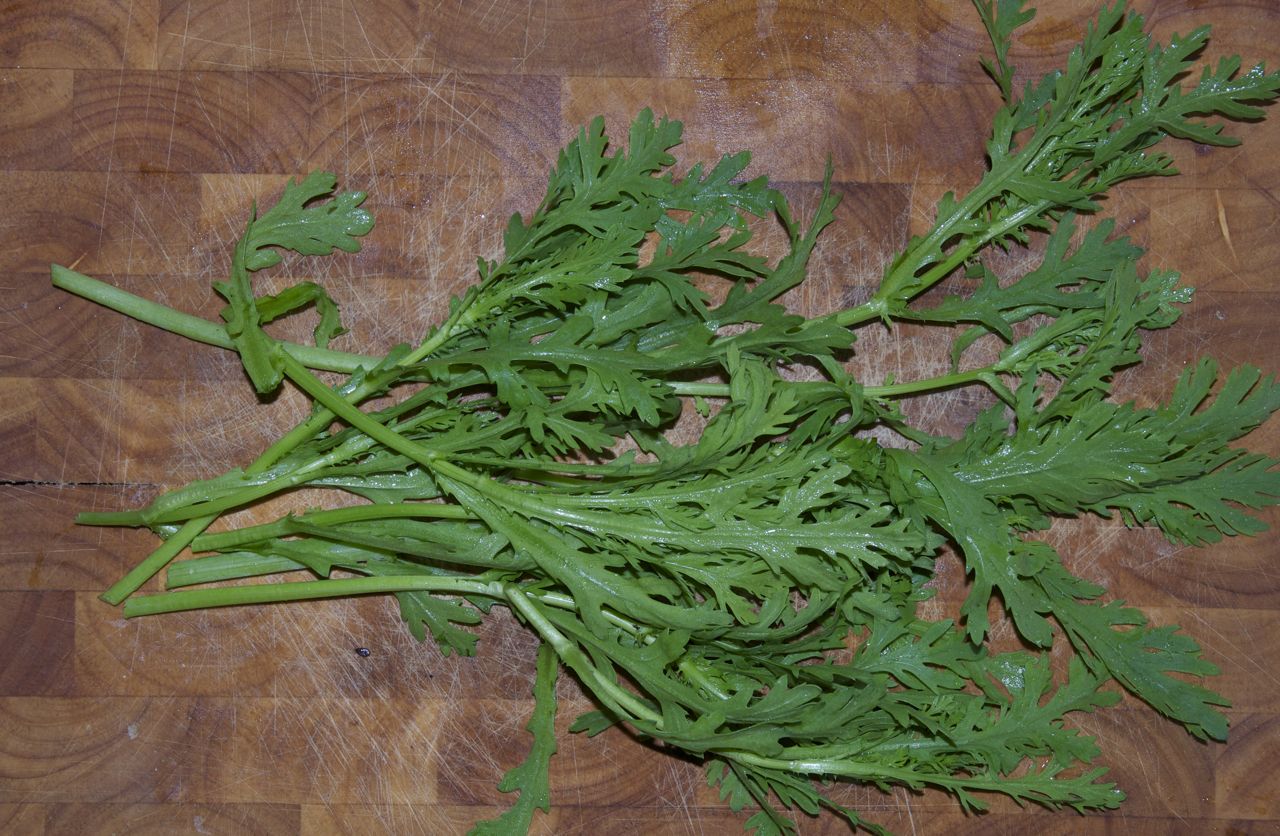
Chop suey greens

Chop suey greens are sometimes called chrysanthemum greens. They have a nice aromatic flavour, the leaves can be eaten raw or cooked. The young stems and leaves are great in a stir fry.

Chop suey greens are types of Chrysanthemums, botanists have done a bit of chopping and slicing of the Chrysanthemum genus and the chop suey greens are now classified as Xanthophthalmum coronarium, quite a mouthful! They are quite hardy annuals that can with stand frosts and tolerate low light levels in winter and grow best in cool conditions. They can be grown in tunnel in winter and are also suitable for containers  They will grow about 15cm high and wide in their leafy stage and attain 60cm in height when flowering. The flowers are yellow, daisy-like and quite pretty. it could be grown as much for its flowers as for its aromatic flavoured stems.

Growing Chop Suey Greens

Site and Soil type

Easy to accomodate as they will grow in most soil types, their growth will be more vigorous and lush in soil with higher fetiltiy. they grow well in full sun but will tolerate some degree of shade.

Sowing and growing

First sowing for very early crops can be made undercover and grown on in tunnel. As soon as oil warms up in Spring and the soil is workable sow outside, in mid March in our garden.

Autumn crops can be sown towards the end of summer and winter crops can be grown in tunnel if sown in autumn.

The seed is small so do not cover thickly or sow in shallow drills outdoors. You can start early crops in trays or module for transplanting later. For direct sown crops in drills thin the seedlings 10-13cm (4-5in) apart and transplant plants from trays at the same distance.

Harvesting

The first harvests can be made after 4-5 weeks when shoots are 5-10cm (2-4in) high, young leaves and shoots are more tender. You can treat them as Cut and Come Again and plants will re-sprout after cutting. We use not onluy the leaves but the young stems too. Leaves can be used raw but stems are better cooked. Over cooked leaves have a tendency to become bitter.

Leaves wilt rapidly after harvest to use immediately.
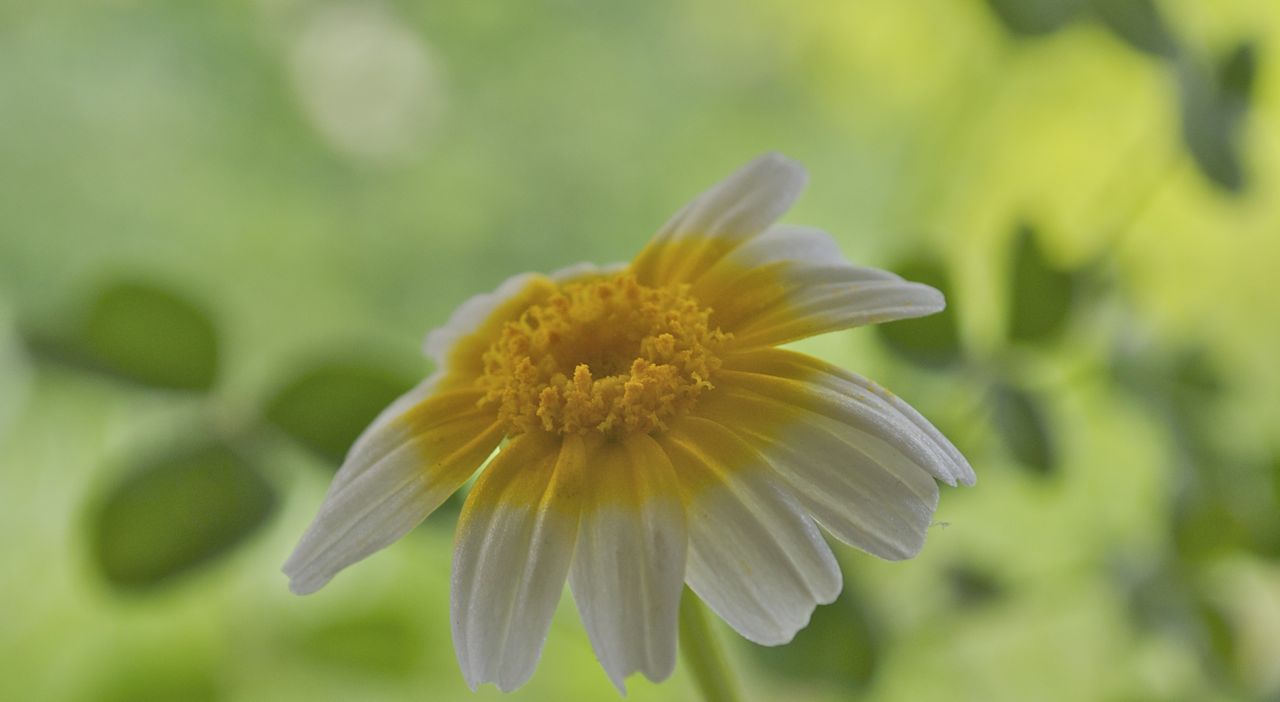
Flower of chop-suey greens- Xanthophthalmum coronarium

Do not let the plants go to flower, unless you want to use them as ornamentals or to collect seed for the next year Plants left to flower will often self-seed in their plot. To prevent flowering chop back plants when they start to become woody and the plants will often regenerate.

Growing a stir fry- Pak-choi

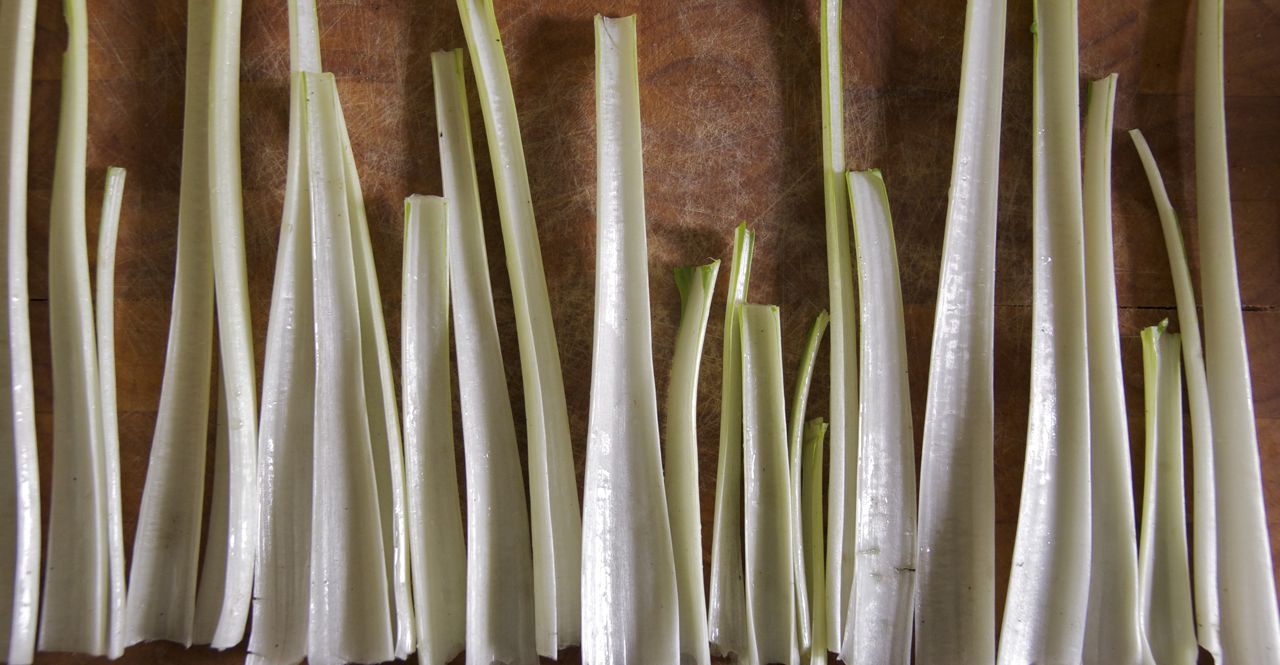
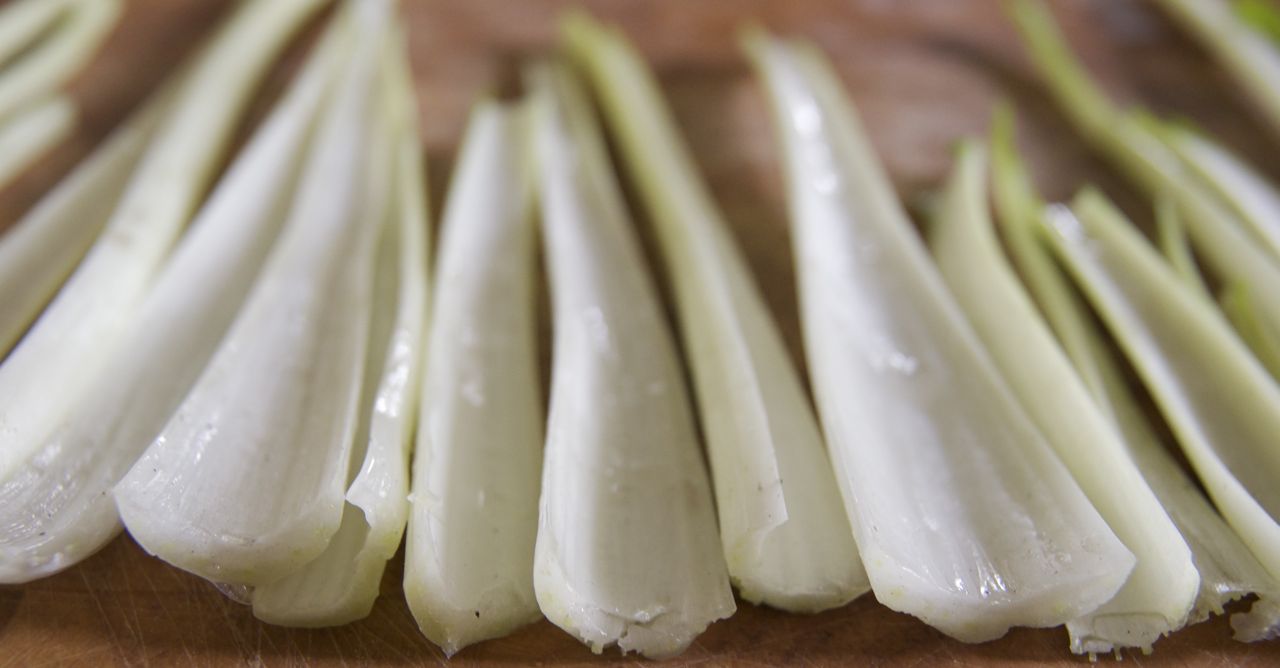
Pak-choi stems

Quick, easy, healthy and tasty, stir frying retains the goodness of your freshly harvested vegetables and with the addition of chili, garlic and spices you have a quickly prepared and flavoursome meal. This year in the garden we have grown pak-choi. It is a cabbage relative, Brassica rapa Chinensis Group with distinct wide white midribs which widen towards the base to give the plant a wide rounded bottom. The stalks and leaves are both used. They are easily grown and can be eaten raw or cooked.

Pak-choi stems

Growing Pak Choi

Soil type and situation

Fertile moisture retentive soil in an open sunny situation. As with all brassica family crops they dislike acid soil conditions so lime the soil to achieve a pH of 6.5.

Sowing and growing

Sow directly into soil. Early crops tend to bolt and bolting often happens if pants dry out. We often sow in modules or seed trays in the tunnel  and transplant into outdoor beds without any problems. Pak-choi can be used as cut and come again crops where you cut the leaves away as you need them or you can allow them to form heads.

BOLTING: this is where  vegetables produce flowers prematurely and go to seed before forming heads or completing their vegetative growth phase. It is often caused by dry conditions, sowing too early in the year or by transplanting of certain types.

Pak-choi can be sown repeatedly throughout the summer to ensure a supply. last sowings can be made outdoors about 6 weeks before the last frost.

Space plants about 15cm apart. When sowing in rows you will need to thin seedlings. Thinned seedlings can be used in salads.

Harvesting

Pak-choi can be used at any stage, seedling leaves mature heads or even flowering stems.

When using the leaves only treat as a Cut and Come Again (CCA). Cut leaves when they are between 4-13cm high, often first cut can be made within 3 weeks of sowing. CCA treated plants can remain productive over many weeks or even months, especially when grown in tunnels.

For heads they can take at least 6 weeks depending on the season. Cut across the base of the plant and they often re-shoot, otherwise you can pull up the whole plant.

When cooking, trim off the leaves from the wide midrib. Cook the midribs first then add the leaves at the end as the leaves cook very quickly.

Pak-choi leaves

Rose Petal Cordial – Recipe

Roses, there is no other plant with so much symbolism attached to it, war of the roses, symbol of love and Shakespeare quotes… Roses in the garden can be a pain, not just the literal ache when a prickle, not a thorn,gets stuck in your flesh. Roses have prickles not thorns, thorns are modified shoots while roses have prickles that arise as modifications from the skin of the stem, the song by Poison “Every Rose Has It’s Thorn” is just botanically inaccurate! Roses are a pain because many of them get diseases such as rust, black spot and powdery mildew and can be really troubled by aphids (green fly).

‘Roseraie de l’Hay’

There are roses that have resistance to diseases and one group called Rugosa hybrids provides us with many cultivars that are robust and disease free, wind resistant and vigorous. Their flowers are often strongly fragrant and  produced in succession throughout the summer. Even when they get aphids they seem to be quite untroubled. Cultivars such as ‘Rosarie de l’Hay’  and  ‘Schneekoppe’ and ‘Blanc Double de Coubert’ are hybrids crossed with wild Rosa rugosa, they combine the ruggedness of the wild species but inherit refinement and beauty expected of a good garden rose. Although less of a pain in terms of care, they can cause literal pain, as there are few other roses have so many prickles along their stems. Ah well every rose has its… prickles.

Their fragrance can drift on the warm summer air, often when I smell roses I think of Turkish Delight. The sweet, a red coloured jelly flavoured with rose petals, that got me thinking…

Rose petals in water

So here we have Rose Petal Cordial, the rich and seductive fragrance of rugosa roses captured in a flavoursome cordial to enjoy at anytime.

Rose Petal Cordial Recipe

Ingredients:

  • 12 flowers of a double rugosa rose eg. ‘Rosarie de l’Hay’
  • 2 Litre of water
  • 3 slices of lemon
  • 250g of Fruisana fruit sugar
Pulling away the petals, discard dis-coloured petals

Method:

  1. Remove the Rose petals from the flower stalks and put in a glass jar
  2. add the lemon slices and water
  3. Leave to stand for 48 hours in a cool dark place.
  4. Remove the lemons and cook petals and water in a saucepan.
  5. Add sugar as the water heats and continue cooking until boiling
  6. Sieve the liquid into sterilized glass bottles
  7. Allow to cool
  8. Dilute 1:10 cordial to water or according to taste.

We used some cordial to make rose jelly using carageenan seaweed. More on that later…

This slideshow requires JavaScript.

Elder Flower Champagne -Recipe

Sparkling Elder Flower Recipe

Elder Flower “Champagne”

Sparkling elder flower has a low alcohol content, it is delicious. It is easy to make and it is the only alcoholic drink that my wife Hanna makes an exception for.

Ingredients:

  • 12 elder flower heads
  • 8l water
  • 2 lemon, grate the zest and juice
  • 60ml of cider vinegar
  • 5 x 250g packets of Fruisana fruit sugar or use 1.6 Kg of sugar
Sparkling Elder Flower Recipe

Method

  1. Wash or shake the elder flower heads to remove any bugs that might by crawling on them
  2. Place the flowers in a plastic food bucket, add the vinegar, lemon juice and lemon zest
  3. Add the water a litre at a time stirring in some of the fruit sugar to dissolve.

  4. When all the water has been added, put a lid on the bucket and leave it for two or three days

  5. Strain the liquid through muslin cloth into sterilized bottles. You can use either glass bottles with screw caps or plastic bottles that previously had fizzy water or fizzy drinks.
  6. Leave in a cupboard for a few weeks. Check the bottles regularly and unscrew them slightly every now and again to ensure that there is not too much pressure building up in the bottles, other wise they might explode.
Bottles of sparkling elderflower

Pickled Elder Flower Buds – Recipe

Pickled Elder Flower Buds

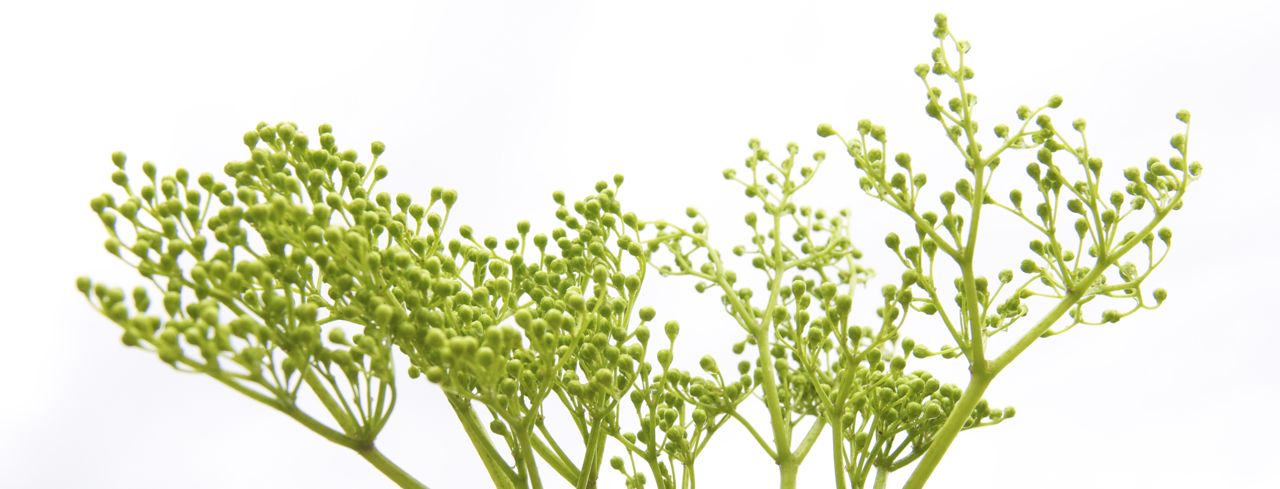
Elder flowers open in succession, so even now while there are flowers in full bloom there are further flowers still to open. The flower heads when harvested at the green bud stage are delicious pickled, a bit like a substitute for capers.

Collecting the flower heads

Snap off unopened flower heads. Collect about 30 heads for a 1 litre jar. You can leave the stalks, they can be eaten too.

Boil up a litre of cider vinegar, or you can use a malt vinegar instead.

Elder flower buds in colander after washing

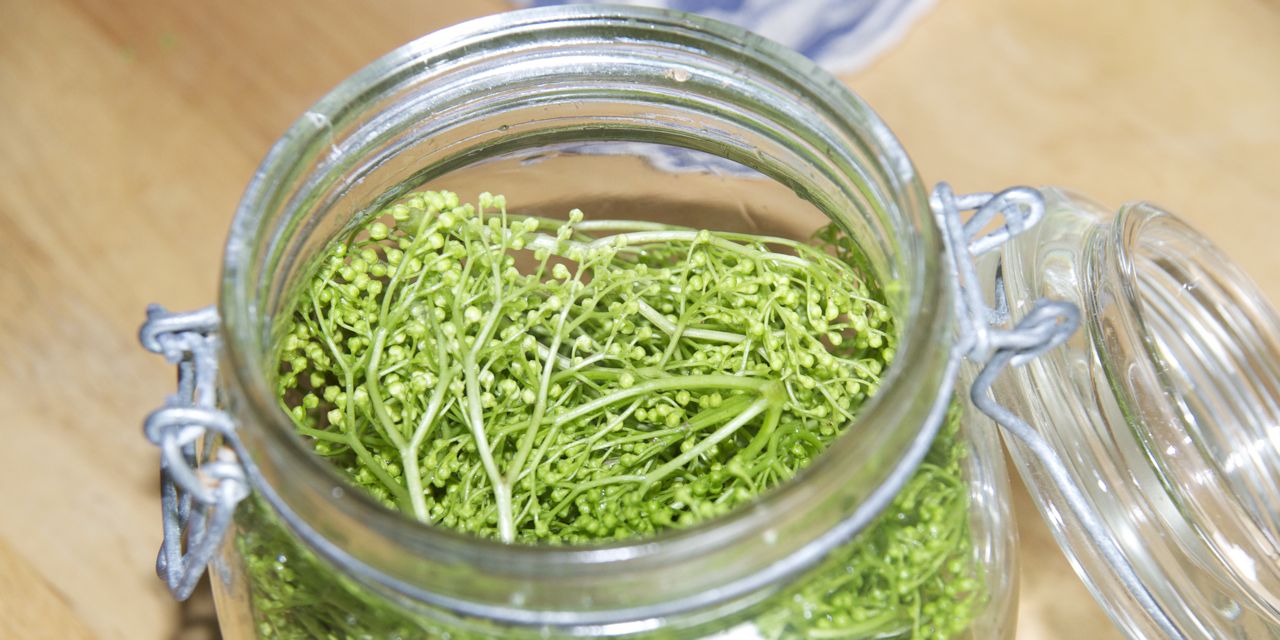
Wash the harvested flower heads and place them in a clip top storage jar.

Elder flower buds in clip lid jar

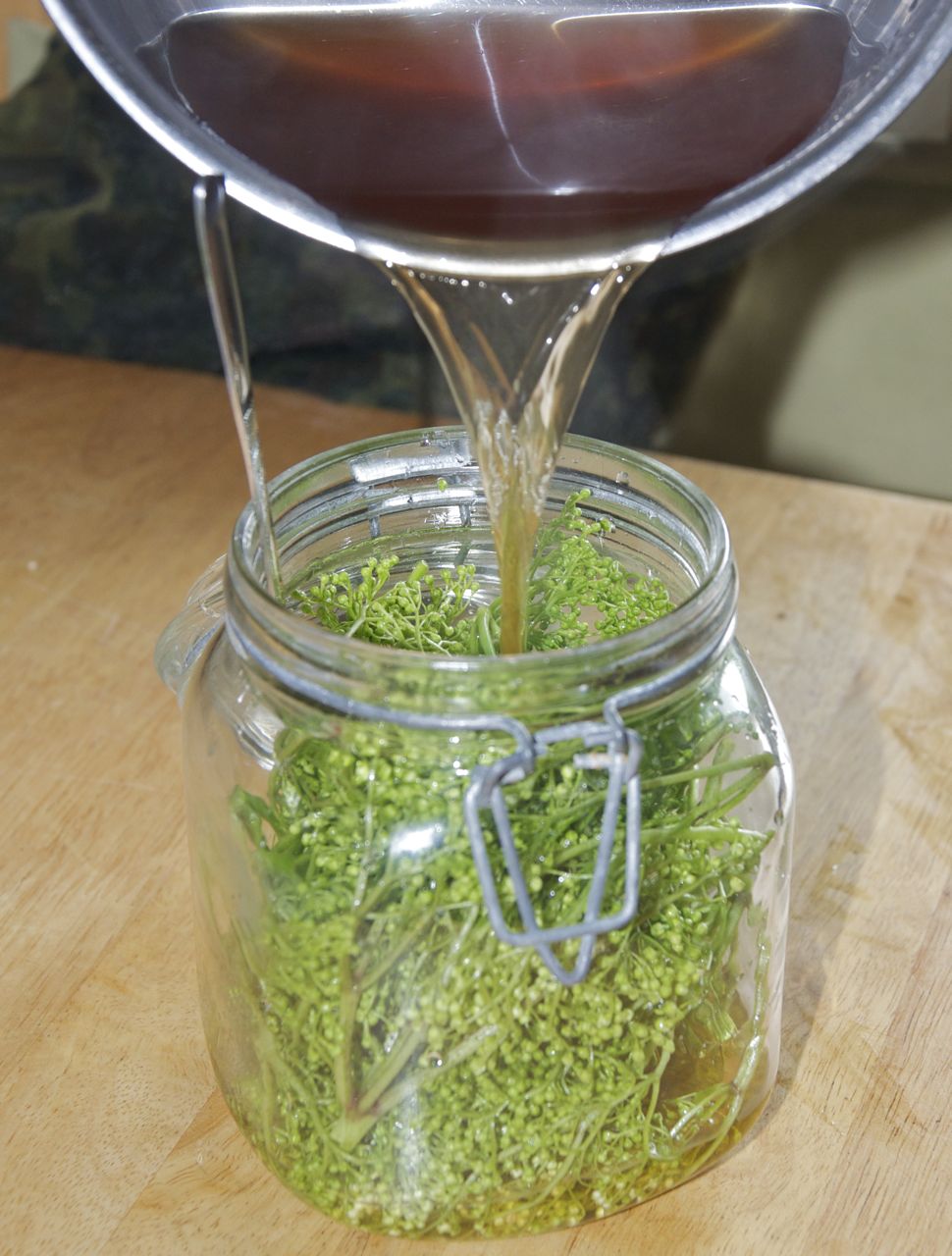
When the vinegar has boiled, pour it over the flower heads.

Pour the boiled vinegar into the jar containing the elder flower buds

Seal the jar and the allow the vinegar to cool.

The flower heads can be eaten as soon as the vinegar has cooled.

Pickled Elder Flower Buds

This slideshow requires JavaScript.

Green Elder Shoots – Recipe

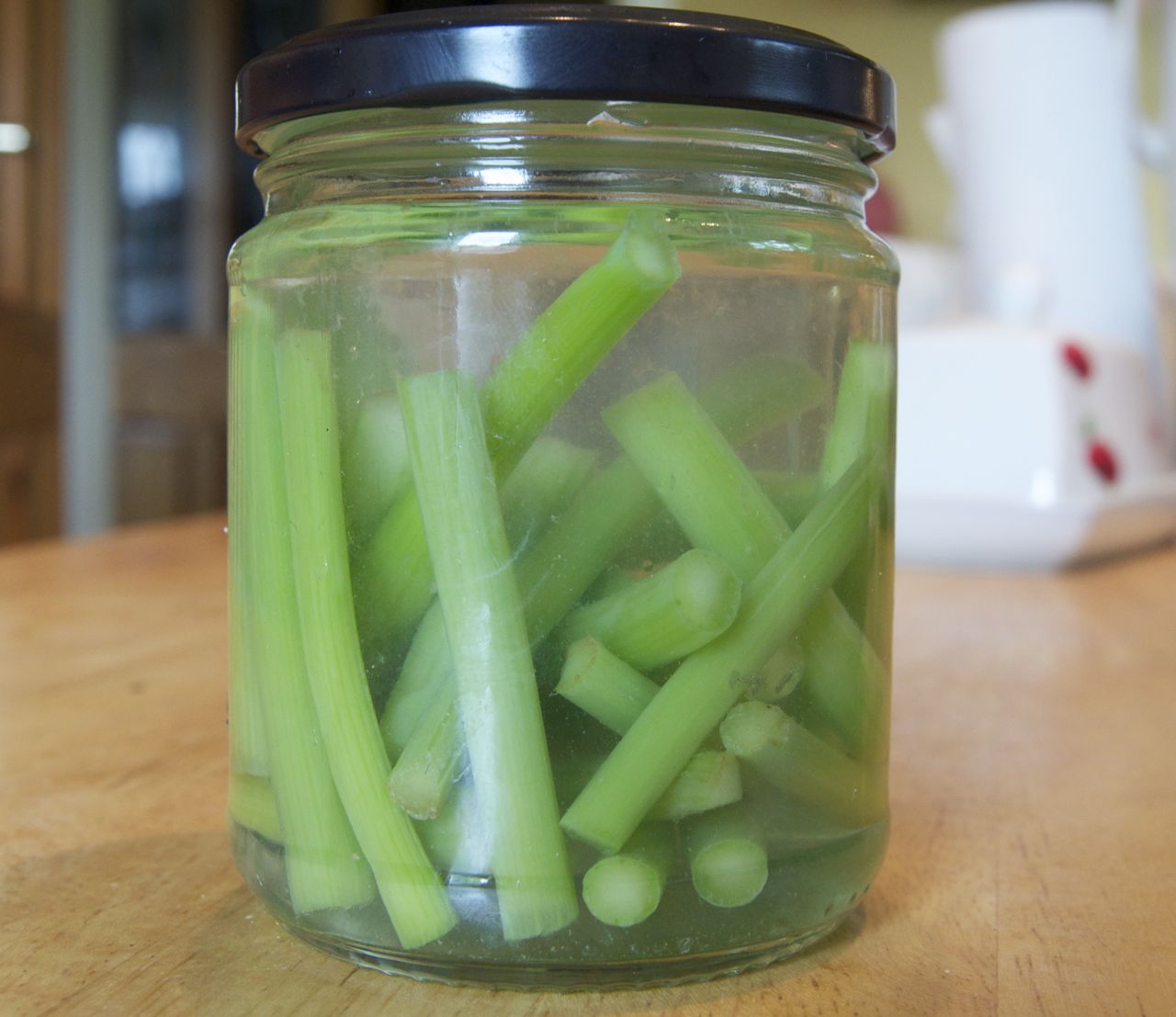
Green Elder Shoots in brine

Green Elder Shoots in Brine

This is an old recipe, and an odd one. While elder flower coridals and elder flower ‘Champagne” are becoming more widely known, I bet not many people are trying out the new green shoots!

In spring and early summer the common elder, Sambucus nigra, produces very vigorous strong green shoots from the base of the plant and sometimes the green growths arise along older branches. These can be cut, peeled and after being soaked in salted water overnight they can be eaten raw or cooked. The most surprising thing is that they are very tasty.

Collecting the shoots

Cut the vigourous green growths in late spring. They can be a metre long or more, Do not collect any woody portions of the stems. If you try them and like them, it moght be an idea to have a couple of shrubs of Sambucus nigra that you grow especially for stems. S. nigra is an ideal plant for coppicing, that is hard pruning in late winter. By cutting the previous years growth to with in 10cm of the base in February each year strong vigorous shoots will be produced. Not all of these should be harvested, leave some to grow and produce food for the following year’s growth, much like on would treat asparagus.

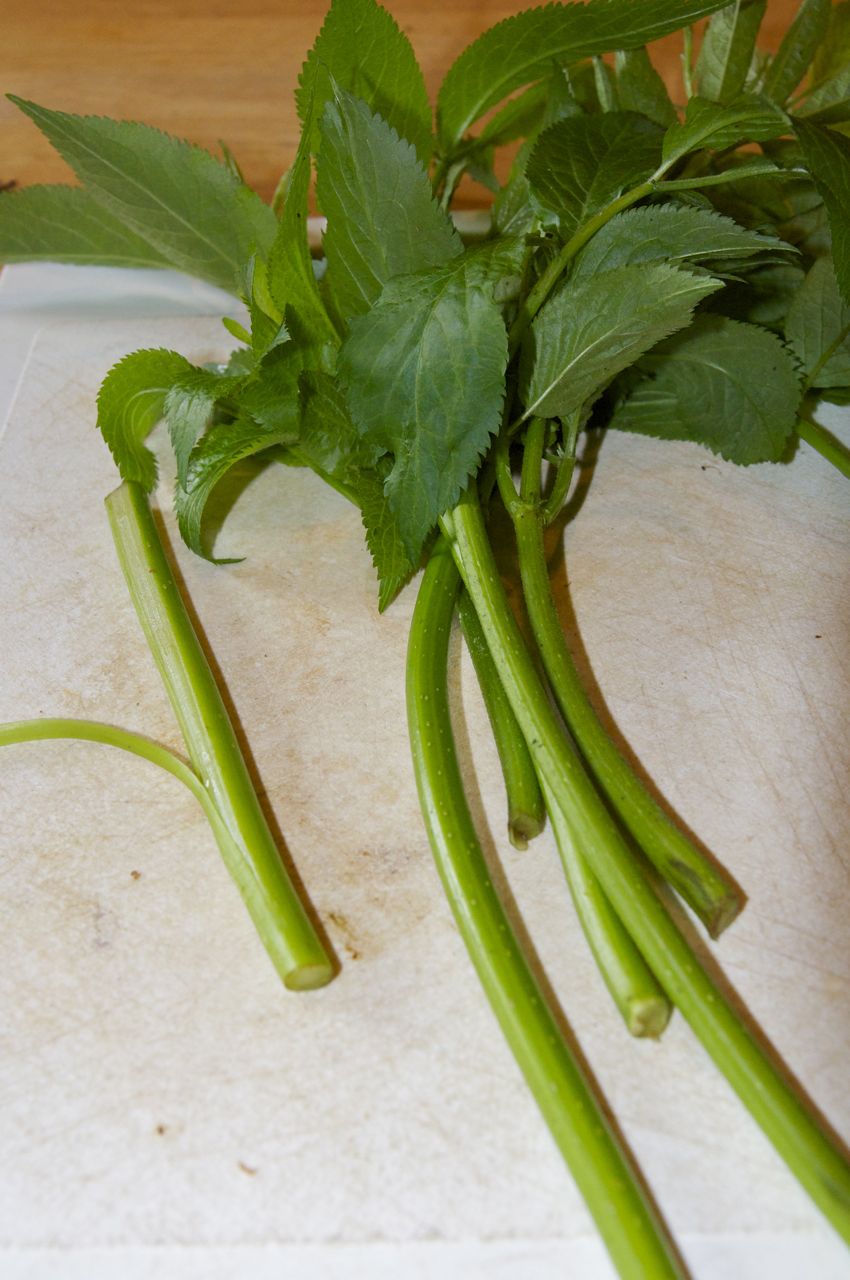
Cut elder stems

Preparing the shoots

Remove the very soft tips and the leaves. Discard any portion of the stem that is becoming woody, either cut it or snap it away.

Use a sharp knife and remove all the skin from the stem. It peels away very easily.

Peeling the green elder stems with a sharp knife

When you have peeled the shoots cut them into 15cm lengths or what ever size suits. Lie the peeled shoots in a bowl, cover with water and add salt, a teaspoon in about 400ml should be enough and then add a squeeze of lemon. I find that the lemon helps preserve the colour.

Green elder shoots in salted water

Leave the stems over night. The following morning refresh the water, place the shoots in a sterilized jam jar with screw top lid. You can use less salt and add a squeeze of lemon juice to help preserve the shoots.

I am not sure how long the elder shoots will hold in this way, we are still experimenting!

Elder shoots on goats cheese toasts

A quick and tasty snack, easy to prepare.

Ingredients:

  • Slices of brown bread
  • Clove of garlic
  • Kilmallock organic goats cheese (my preference but you can use cheddar or any cheese)
  • Dried oregano
  • Some green elder shoots in brine

Method:

  1. Toast the bread in a toaster, meanwhile peel the garlic clove and slice or grate cheese, enough to cover your bread slices, heat up the grill too!
  2. When bread has popped from the toaster rub the peeled garlic on one side of the bread.
  3. Place the cheese on the side rubbed with garlic, sprinkle with oregano and slice the elder shoots in half and place on top.
  4. Place bread under the grill and toast until the cheese has melted.

Machnamh/Reflection – Show Garden at Bloom 2012

Machnamh/Reflection Show Garden by Deirdre Pender 2012

Machnamh/Reflection was voted by Designers as the best and received a Siver medal. It was designed as a contemplative place to escape a busy day. It was tranquil, unfortunately I did not discover its charms until the final day of Bloom 2012.

This slideshow requires JavaScript.

Contact Deirdre